Introduction
Sozinibercept Biosimilar is a novel fusion protein that has been developed as a biosimilar of the anti-VEGF-C antibody. It is a research grade therapeutic agent that has shown promising results in preclinical studies. In this article, we will discuss the structure, activity, and potential applications of Sozinibercept Biosimilar in the field of anti-angiogenesis therapy.
Structure of Sozinibercept Biosimilar
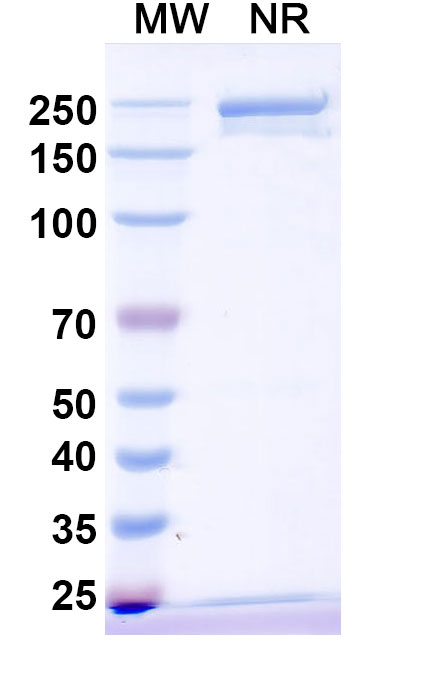
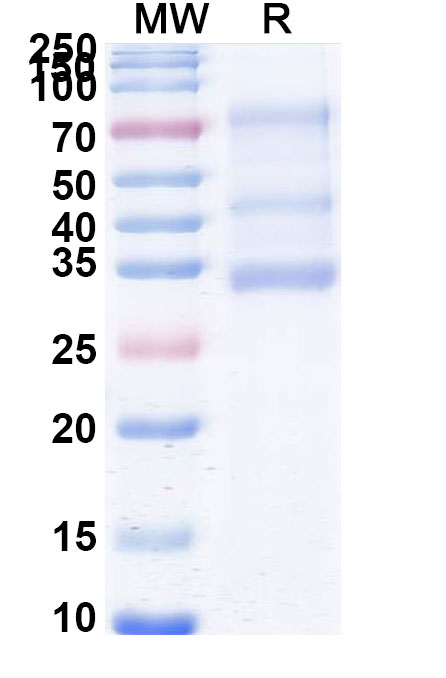
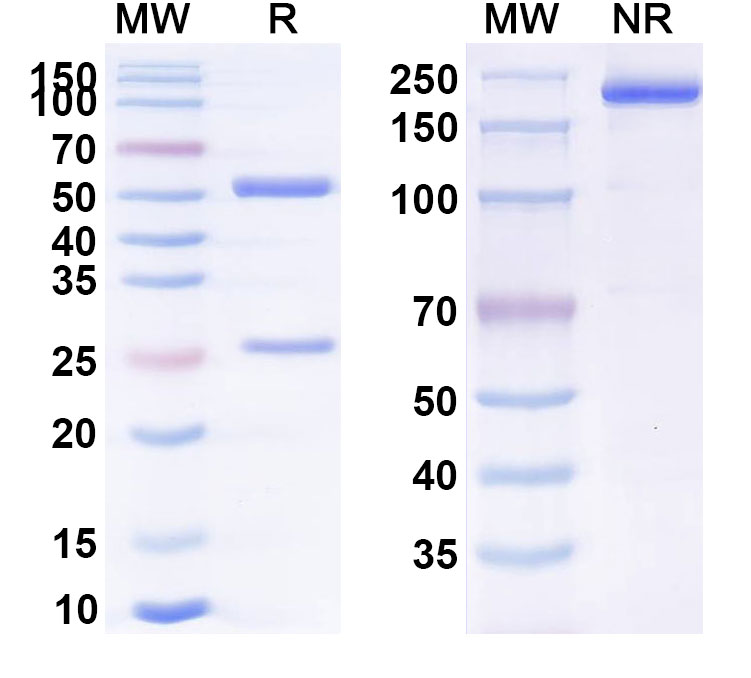
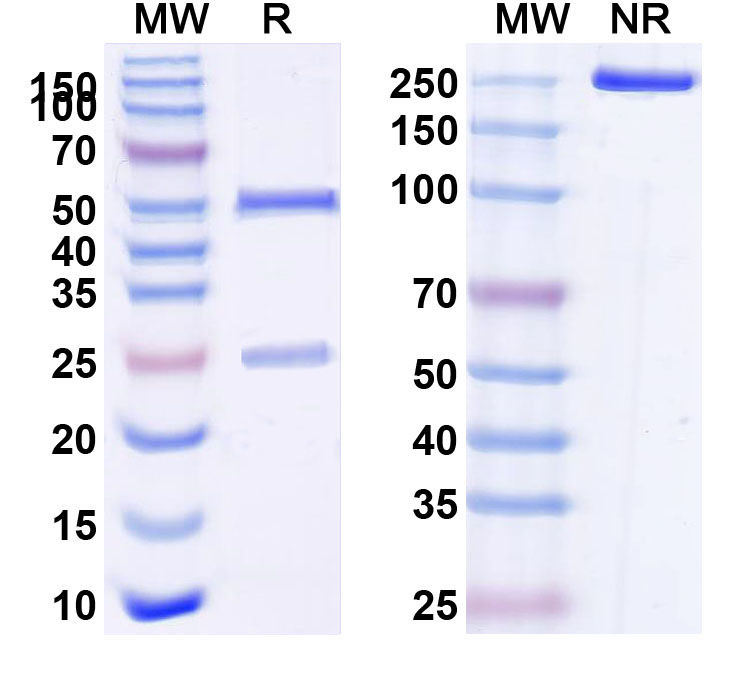
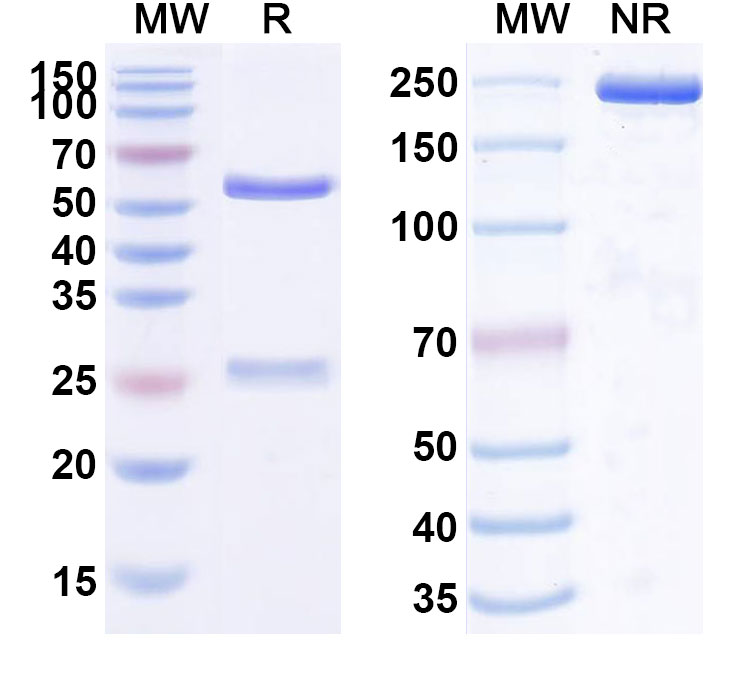
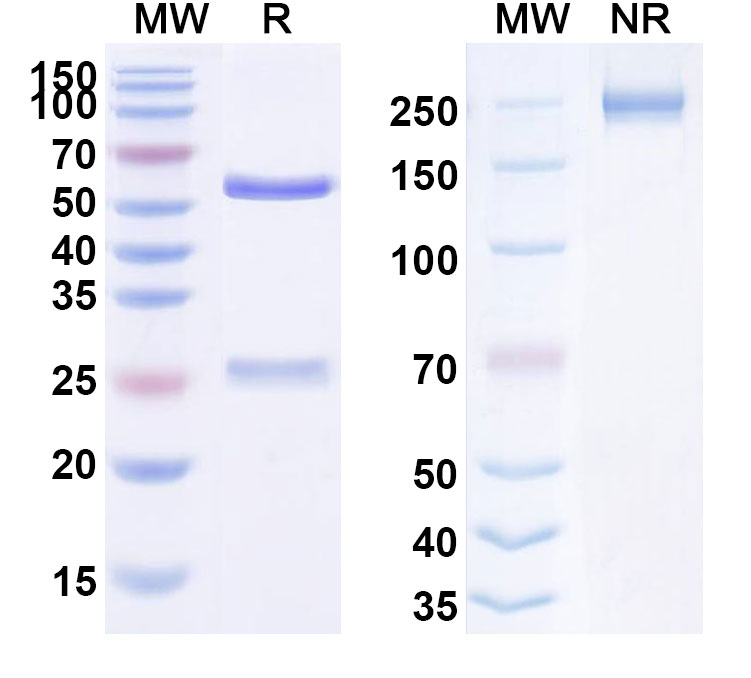
Sozinibercept Biosimilar is a fusion protein that is composed of two distinct domains – the antibody domain and the therapeutic target domain. The antibody domain is derived from the anti-VEGF-C antibody, which specifically binds to the vascular endothelial growth factor C (VEGF-C). The therapeutic target domain is a fusion protein that consists of the extracellular domain of the VEGF receptor 2 (VEGFR-2) and the Fc region of human IgG1. This structure allows Sozinibercept Biosimilar to act as a potent inhibitor of VEGF-C signaling.
Activity of Sozinibercept Biosimilar
As a fusion protein, Sozinibercept Biosimilar has a dual mechanism of action. The antibody domain specifically binds to VEGF-C, preventing it from binding to its receptor, VEGFR-2. This results in the inhibition of VEGF-C signaling, which is crucial for the growth and proliferation of blood vessels. The therapeutic target domain, on the other hand, acts as a decoy receptor, sequestering VEGF-C and preventing it from binding to VEGFR-2. This further enhances the inhibitory effect of Sozinibercept Biosimilar on VEGF-C signaling.
Application of Sozinibercept Biosimilar
Sozinibercept Biosimilar has shown promising results in preclinical studies as a potential therapeutic agent for various diseases that are characterized by excessive angiogenesis. These include cancer, age-related macular degeneration, and diabetic retinopathy. By inhibiting VEGF-C signaling, Sozinibercept Biosimilar can prevent the growth and spread of cancer cells, as well as the formation of new blood vessels in the retina. It can also potentially improve the outcomes of anti- cancer therapies and reduce the risk of vision loss in patients with retinal diseases.
Cancer
In cancer, VEGF-C plays a crucial role in promoting angiogenesis, which is necessary for tumor growth and metastasis. Sozinibercept Biosimilar has shown promising results in preclinical studies as a potential anti-angiogenic therapy for various types of cancer, including breast, lung, and colon cancer. It has been shown to inhibit tumor growth and reduce the formation of new blood vessels in animal models, without causing significant side effects.
Age-related macular degeneration (AMD)
AMD is a leading cause of vision loss in the elderly population. It is characterized by the formation of abnormal blood vessels in the retina, which can lead to vision impairment. VEGF-C has been implicated in the development of AMD, making it a potential therapeutic target. Sozinibercept Biosimilar has shown promising results in preclinical studies as a potential treatment for AMD. It has been shown to inhibit the formation of new blood vessels and reduce the leakage of fluid in the retina, which are key factors in the progression of AMD.
Diabetic retinopathy
Diabetic retinopathy is a common complication of diabetes that can lead to vision loss. It is characterized by the formation of abnormal blood vessels in the retina, similar to AMD. VEGF-C has been shown to play a role in the development of diabetic retinopathy, making it a potential therapeutic target. Sozinibercept Biosimilar has shown promising results in preclinical studies as a potential treatment for diabetic retinopathy. It has been shown to inhibit the formation of new blood vessels and reduce the leakage of fluid in the retina, which are key factors in the progression of this disease.
Conclusion Sozinibercept Bios

There are no reviews yet.