Suvratoxumab Biosimilar: A Potent Anti-Alpha Toxin Antibody for Therapeutic Targeting
Suvratoxumab Biosimilar is a novel monoclonal antibody (mAb) that specifically targets the alpha toxin produced by
Staphylococcus aureus
, a Gram-positive bacterium responsible for a wide range of infections in humans. This biosimilar is a highly potent and specific therapeutic agent that has shown promising results in preclinical studies, making it a potential candidate for the treatment of various staphylococcal infections.
Structure of Suvratoxumab Biosimilar
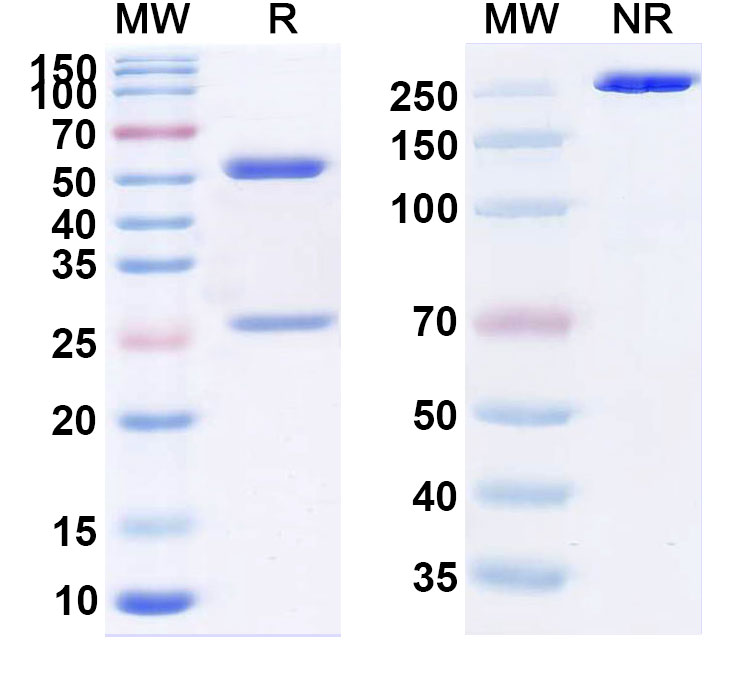
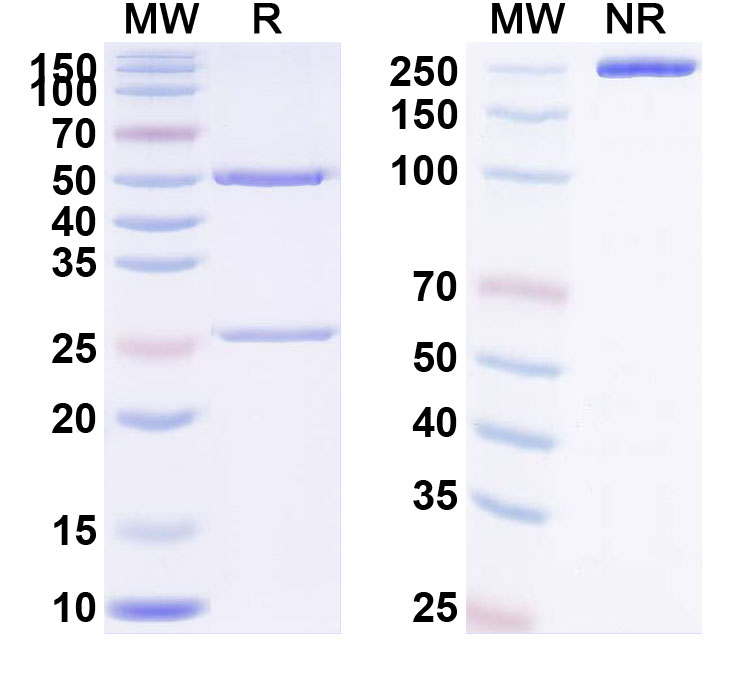
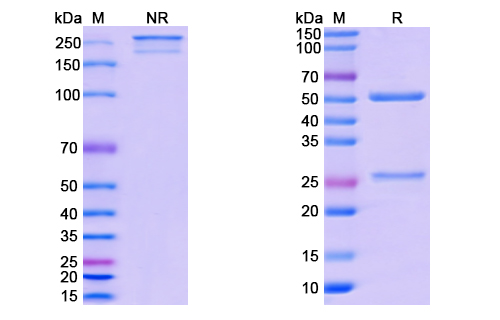
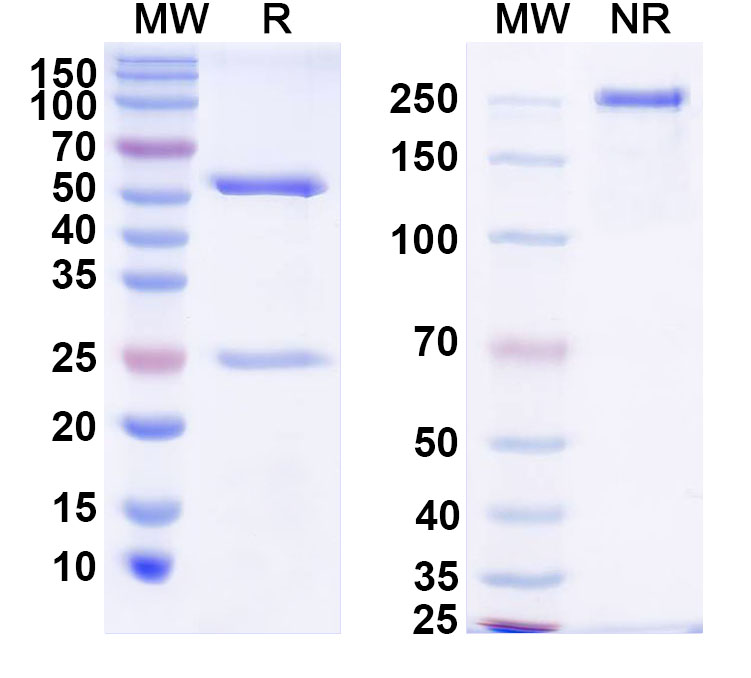
Suvratoxumab Biosimilar is a recombinant humanized IgG1 monoclonal antibody, which means it is derived from human antibodies and has been engineered to have a longer half-life in the body. It is composed of two heavy chains and two light chains, each with a variable region that specifically binds to the alpha toxin. The constant region of the antibody is responsible for activating the immune system to eliminate the toxin.
The structure of Suvratoxumab Biosimilar is similar to that of the original antibody, suvratoxumab, which was developed by GlaxoSmithKline. However, the biosimilar has been modified to have a higher binding affinity and potency against the alpha toxin, making it a more effective therapeutic agent.
Activity of Suvratoxumab Biosimilar
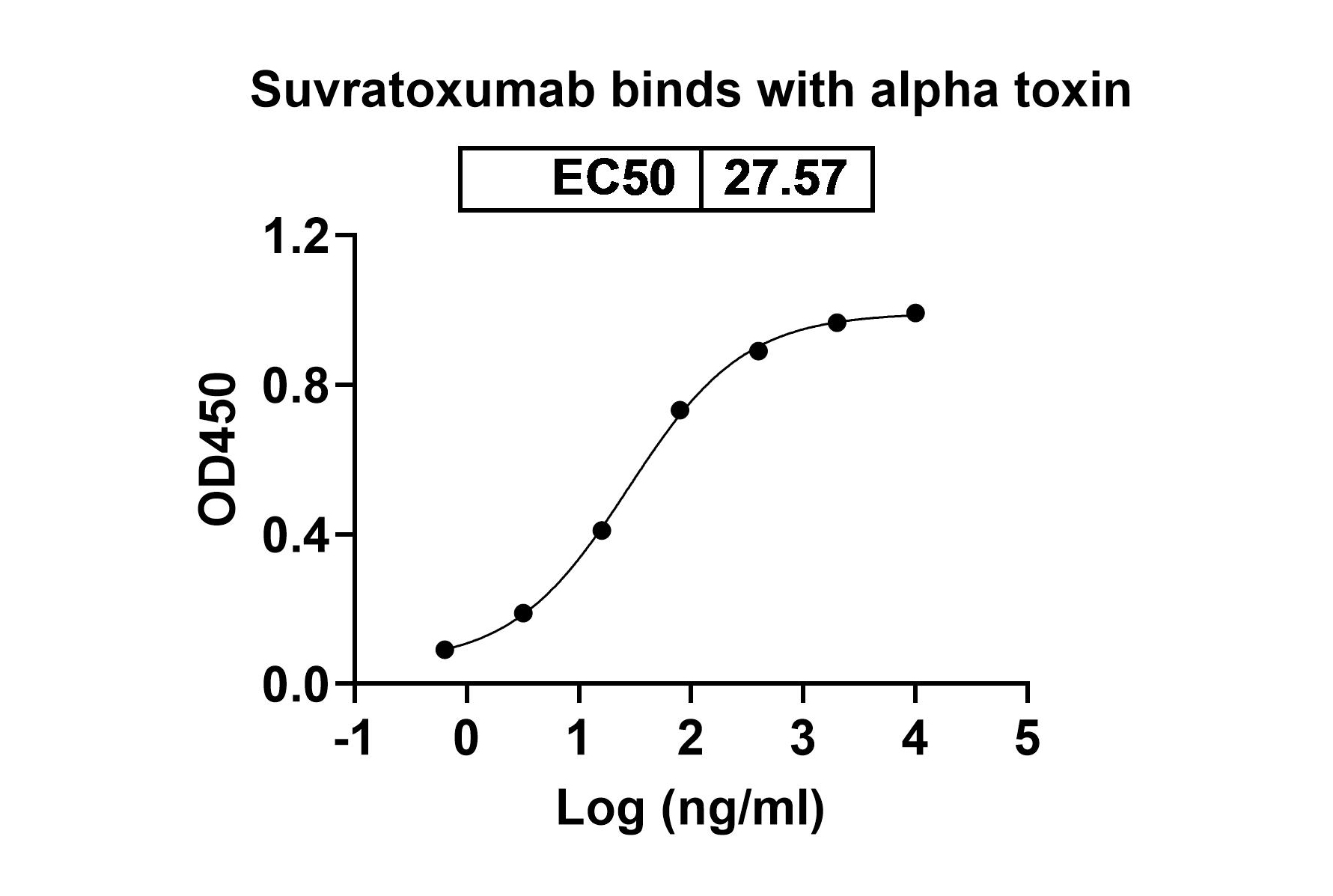
The main activity of Suvratoxumab Biosimilar is to neutralize the alpha toxin produced by
S. aureus
. This toxin is a major virulence factor of the bacterium and is responsible for causing tissue damage and cell death, leading to the development of various infections. By binding to the toxin, the biosimilar prevents it from interacting with its target cells and causing harm.
Suvratoxumab Biosimilar also has an immunomodulatory activity, which means it can modulate the immune response to the toxin. This is achieved through the antibody’s constant region, which activates the immune cells to eliminate the toxin and infected cells.
Application of Suvratoxumab Biosimilar
Suvratoxumab Biosimilar has shown great potential as a therapeutic agent for the treatment of staphylococcal infections. In preclinical studies, it has demonstrated efficacy against a wide range of
S. aureus
strains, including those resistant to conventional antibiotics. This makes it a promising alternative for the treatment of antibiotic-resistant infections, which are becoming a major global health concern.
The biosimilar is currently in the early stages of clinical development, with a Phase 1 study evaluating its safety and tolerability in healthy volunteers. If successful, it will progress to Phase 2 and 3 trials to assess its efficacy in patients with staphylococcal infections.
Besides its potential as a therapeutic agent, Suvratoxumab Biosimilar can also be used as a research tool for studying the role of the alpha toxin in staphylococcal infections. The biosimilar can be used to block the toxin’s activity in laboratory experiments, providing valuable insights into its mechanism of action and potential therapeutic targets.
Conclusion
Suvratoxumab Biosimilar is a highly specific and potent anti-alpha toxin antibody with promising potential as a therapeutic agent for the treatment of staphylococcal infections. Its unique structure and activity make it a valuable addition to the arsenal of treatments against antibiotic-resistant infections. With ongoing clinical development, this biosimilar has the potential to improve outcomes for patients with staphylococcal infections and contribute to the fight against antibiotic resistance.
Keywords: Suvratoxumab Biosimilar, anti-alpha toxin, monoclonal antibody, therapeutic target, S. aureus
There are no reviews yet.