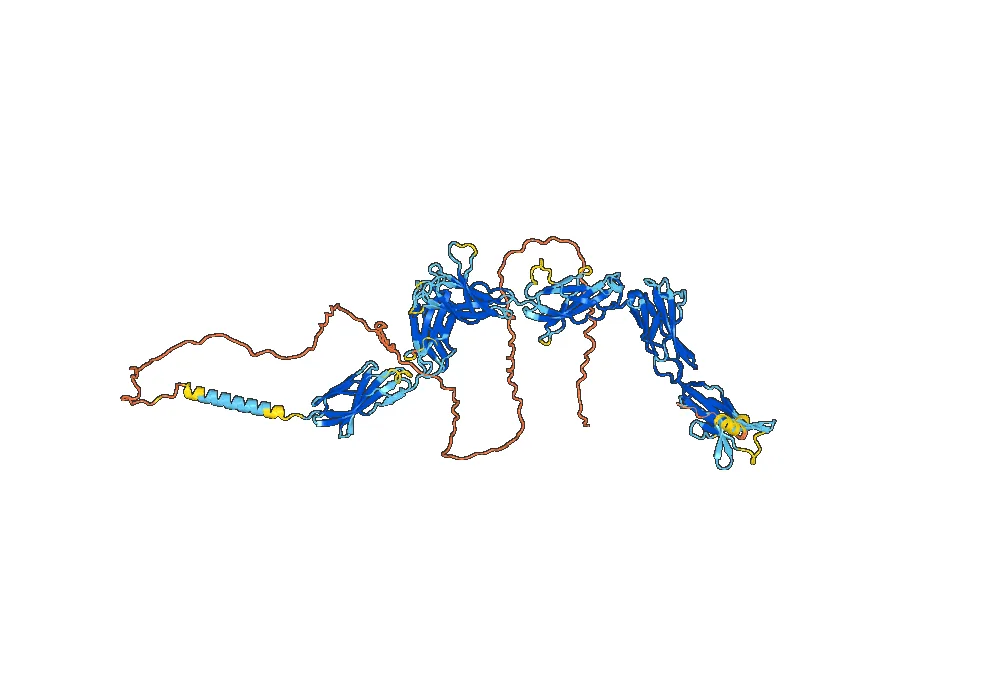
The Structure of Taldefgrobep alfa Biosimilar – Anti-GDF-8 Fusion Protein
Taldefgrobep alfa Biosimilar is a fusion protein that is designed to target the growth differentiation factor 8 (GDF-8), also known as myostatin. It is a biosimilar of the FDA-approved drug, Bimagrumab, which is used to treat muscle wasting disorders such as muscular dystrophy and sarcopenia.
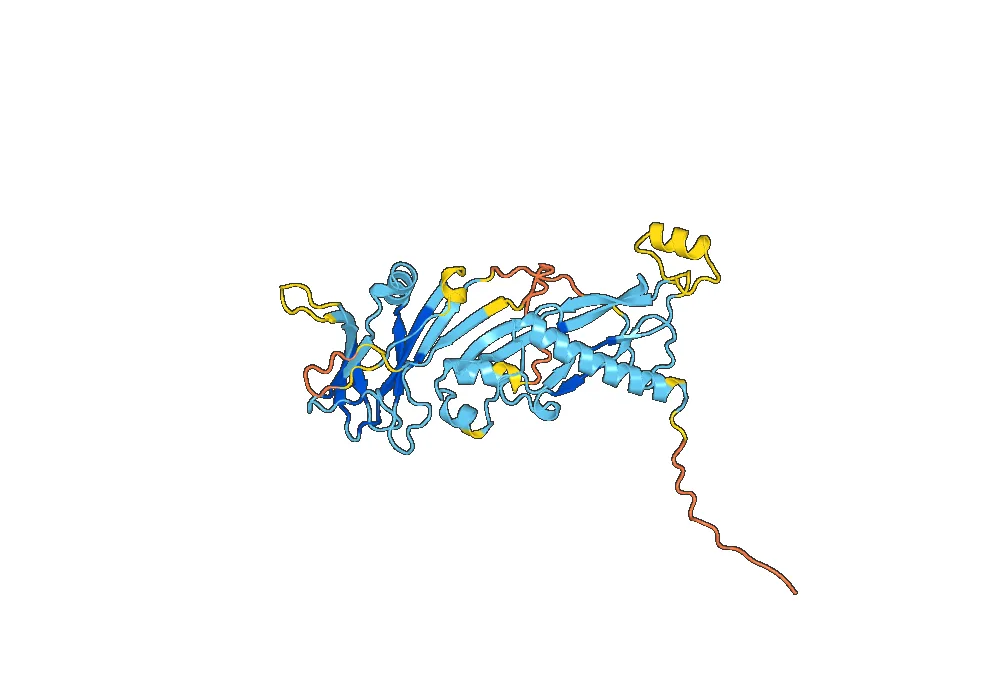
The structure of Taldefgrobep alfa Biosimilar is composed of two parts: the antibody and the GDF-8 targeting domain. The antibody portion is derived from a humanized monoclonal antibody, which is a type of protein that is engineered to bind specifically to a target molecule. In this case, the antibody is designed to bind to GDF-8 with high affinity.
The GDF-8 targeting domain is a fusion of two proteins: the extracellular domain of the activin type IIB receptor (ActRIIB) and the Fc region of human immunoglobulin G1 (IgG1). The ActRIIB domain is responsible for binding to GDF-8, while the Fc region is important for increasing the half-life and stability of the fusion protein.
The Activity of Taldefgrobep alfa Biosimilar
Taldefgrobep alfa Biosimilar works by blocking the activity of GDF-8, a protein that is known to inhibit muscle growth and promote muscle wasting. GDF-8 is a member of the transforming growth factor-β (TGF-β) superfamily and is primarily produced by skeletal muscle cells.
When GDF-8 binds to its receptor, ActRIIB, it activates a signaling pathway that leads to the inhibition of muscle growth. By binding to GDF-8, Taldefgrobep alfa Biosimilar prevents this signaling pathway from being activated, thereby promoting muscle growth and preventing muscle wasting.
The Application of Taldefgrobep alfa Biosimilar
Taldefgrobep alfa Biosimilar is primarily being developed as a potential treatment for muscle wasting disorders such as muscular dystrophy and sarcopenia. These conditions are characterized by a loss of muscle mass and strength, leading to decreased mobility and quality of life.
In preclinical studies, Taldefgrobep alfa Biosimilar has shown promising results in promoting muscle growth and improving muscle function in animal models of muscular dystrophy and sarcopenia. It has also been shown to be well-tolerated and safe in these studies.
In addition to its potential as a therapeutic for muscle wasting disorders, Taldefgrobep alfa Biosimilar may also have applications in other conditions where GDF-8 plays a role. For example, GDF-8 has been implicated in the development of obesity and diabetes, and Taldefgrobep alfa Biosimilar could potentially be used to target these conditions as well.
The Future of Taldefgrobep alfa Biosimilar
Taldefgrobep alfa Biosimilar is currently in the early stages of clinical development. Several phase 1 clinical trials have been completed, and a phase 2 trial is currently ongoing in patients with Duchenne muscular dystrophy.
If successful, Taldefgrobep alfa Biosimilar could provide a much-needed treatment option for patients with muscle wasting disorders and potentially other conditions where GDF-8 is involved. Its unique structure and mechanism of action make it a promising candidate for further development and could potentially improve the lives of patients with these debilitating conditions.

There are no reviews yet.