Telitacicept Biosimilar: A Promising Anti-BAFF Fusion Protein for Therapeutic Use
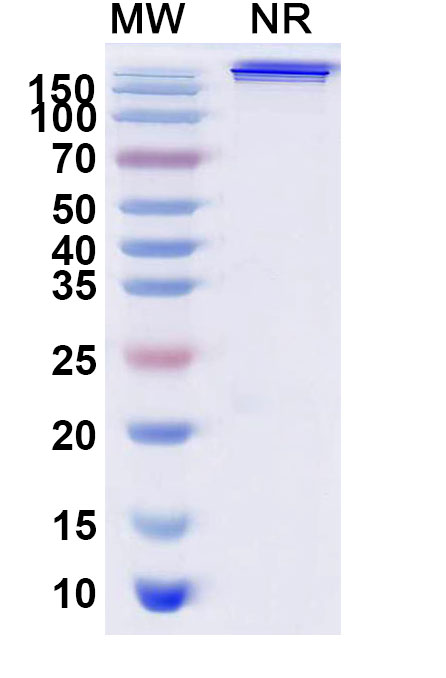
Telitacicept Biosimilar is a novel fusion protein that has shown great potential as an anti-BAFF (B-cell activating factor) therapy. This research grade protein is being developed as a biosimilar to telitacicept, a recombinant fusion protein that has been approved for clinical use in autoimmune diseases. With its unique structure and mechanism of action, Telitacicept Biosimilar has the potential to become a highly effective therapeutic agent for a wide range of diseases.
Structure of Telitacicept Biosimilar
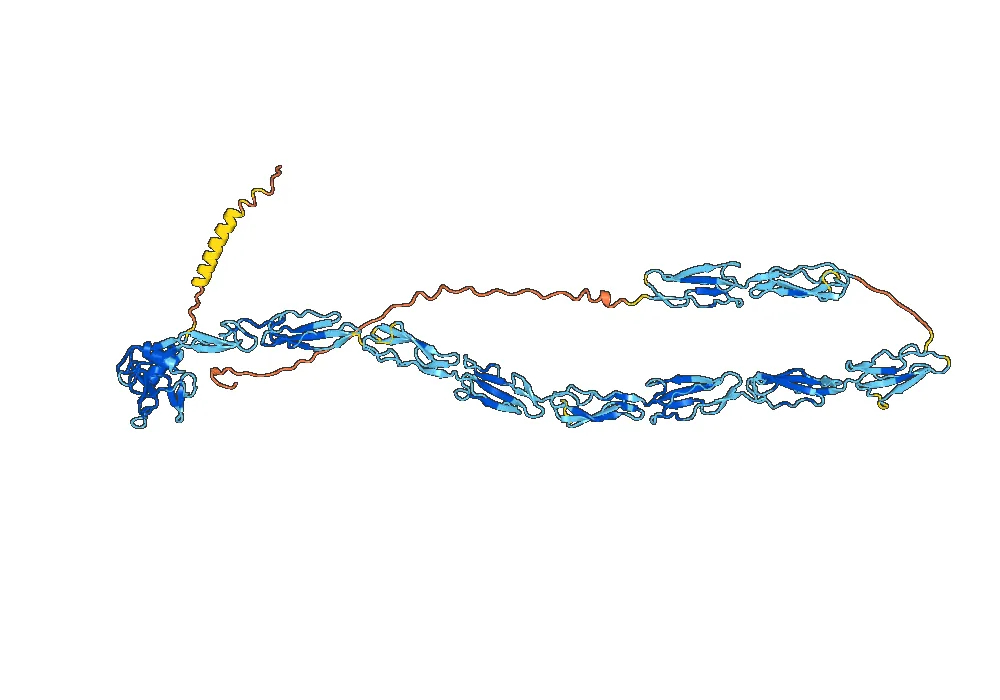
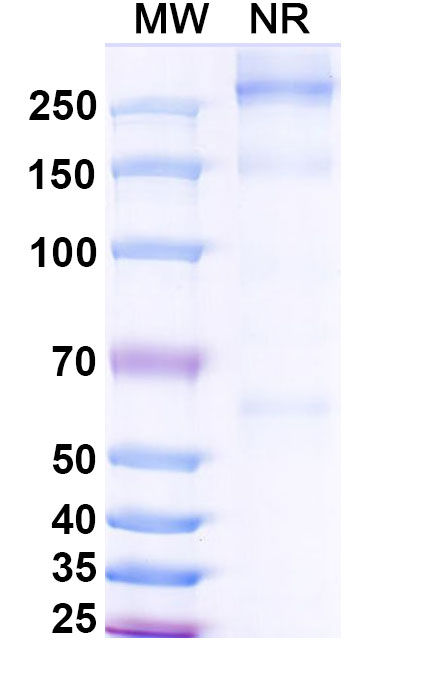
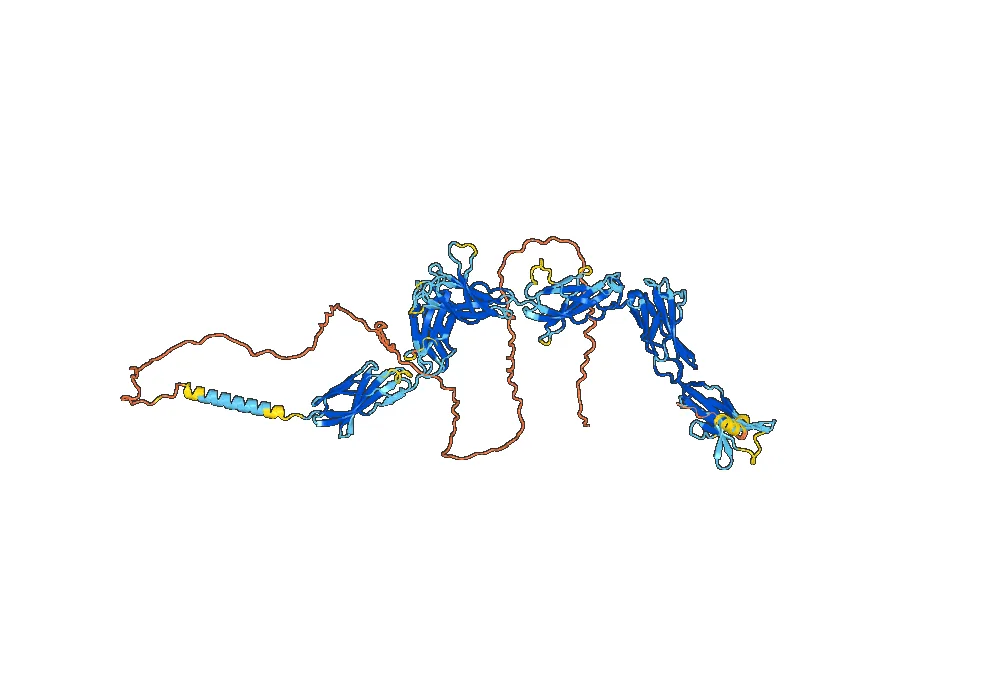
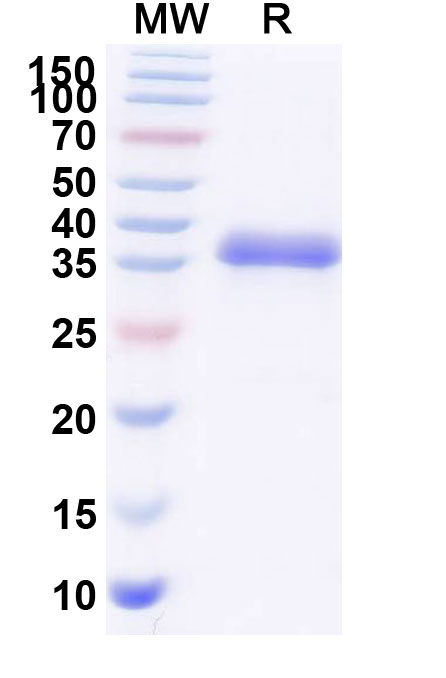
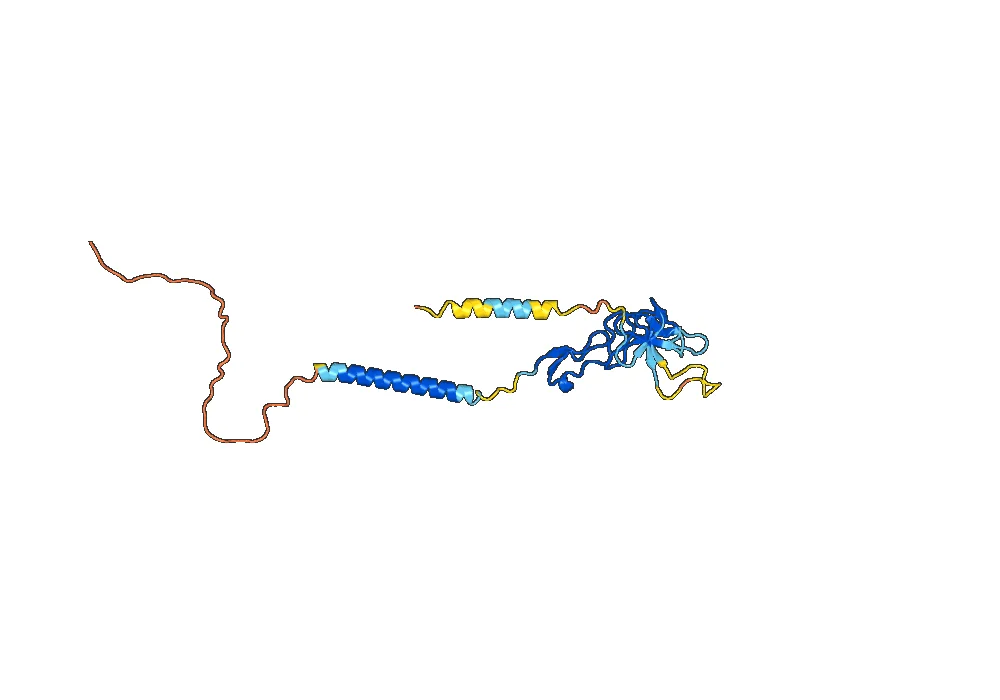
Telitacicept Biosimilar is a fusion protein composed of two components: the extracellular domain of the human BAFF receptor (BR3) and the Fc portion of a human immunoglobulin G1 (IgG1) antibody. This structure allows Telitacicept Biosimilar to simultaneously bind to BAFF and Fc receptors, leading to potent inhibition of BAFF signaling.
The extracellular domain of BR3 is responsible for binding to BAFF, a cytokine that plays a critical role in B-cell survival and activation. By binding to BAFF, Telitacicept Biosimilar prevents its interaction with its natural receptors, BAFF-R and TACI, thus inhibiting BAFF-mediated B-cell proliferation and survival. The Fc portion of the fusion protein, on the other hand, binds to Fc receptors on immune cells, triggering downstream signaling pathways that further enhance the inhibitory effects of Telitacicept Biosimilar.
Mechanism of Action
The primary mechanism of action of Telitacicept Biosimilar is the inhibition of BAFF signaling. BAFF is a key regulator of B-cell survival and maturation, and its dysregulation has been implicated in various autoimmune diseases, such as systemic lupus erythematosus, rheumatoid arthritis, and multiple sclerosis. By blocking BAFF, Telitacicept Biosimilar prevents the activation and survival of autoreactive B-cells, thus reducing the production of autoantibodies and mitigating the autoimmune response.
In addition, the Fc portion of Telitacicept Biosimilar also plays a role in its mechanism of action. By binding to Fc receptors, the fusion protein can activate immune cells, such as natural killer cells and macrophages, which can then target and eliminate autoreactive B-cells. This dual mechanism of action makes Telitacicept Biosimilar a highly potent and versatile therapeutic agent for autoimmune diseases.
Potential Applications
Telitacicept Biosimilar has shown promising results in preclinical studies, demonstrating its potential for the treatment of various autoimmune diseases. In a mouse model of lupus, treatment with Telitacicept Biosimilar significantly reduced disease severity and improved survival rates. In a phase II clinical trial for systemic lupus erythematosus, the biosimilar showed a good safety profile and promising efficacy, with a significant reduction in disease activity and autoantibody levels.
Besides lupus, Telitacicept Biosimilar is also being investigated for its potential in other autoimmune diseases, such as rheumatoid arthritis and multiple sclerosis. Its unique mechanism of action and dual targeting of BAFF and Fc receptors make it a promising candidate for the treatment of these complex and heterogeneous diseases.
Conclusion
Telitacicept Biosimilar is a novel fusion protein with a unique structure and mechanism of action. Its ability to simultaneously block BAFF signaling and activate immune cells makes it a highly potent and versatile therapeutic agent for autoimmune diseases. With its promising preclinical and clinical results, Telitacicept Biosimilar has the potential to become a game-changing treatment option for patients suffering from various autoimmune diseases.
Keywords: Telitacicept Biosimilar, anti-BAFF fusion protein

There are no reviews yet.