Introduction
Tralokinumab Biosimilar, also known as Anti-IL13 mAb, is a monoclonal antibody that has been developed as a potential therapeutic agent for various inflammatory and autoimmune diseases. This biosimilar is a research grade version of the original Tralokinumab, which is currently undergoing clinical trials for the treatment of asthma and other conditions. In this article, we will delve into the structure, activity, and potential applications of Tralokinumab Biosimilar.
Structure of Tralokinumab Biosimilar
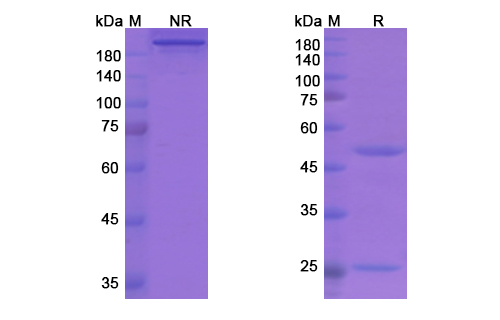
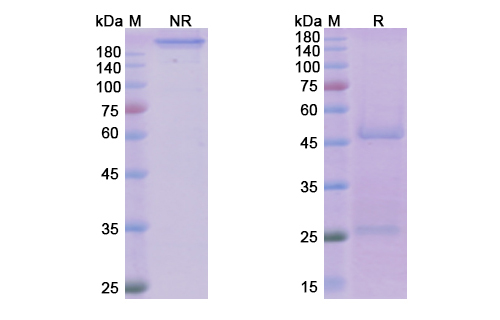
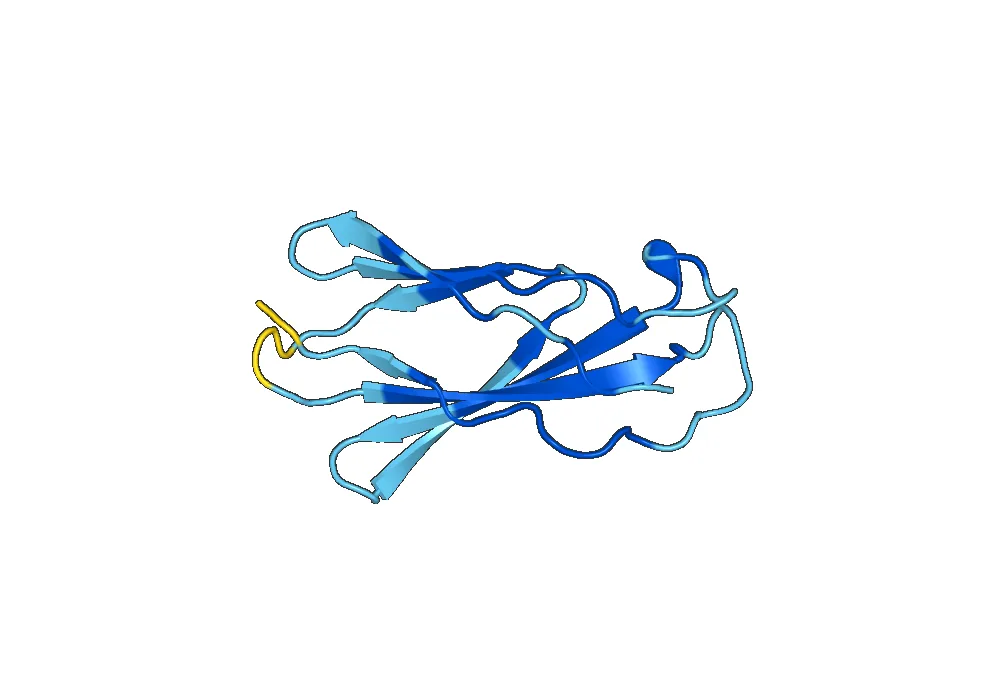
Tralokinumab Biosimilar is a fully humanized IgG4 monoclonal antibody, meaning it is derived from human cells and has four antibody subunits. The antibody has a molecular weight of approximately 148 kDa and is composed of two heavy chains and two light chains. These chains are connected by disulfide bonds and form a Y-shaped structure that is characteristic of antibodies.
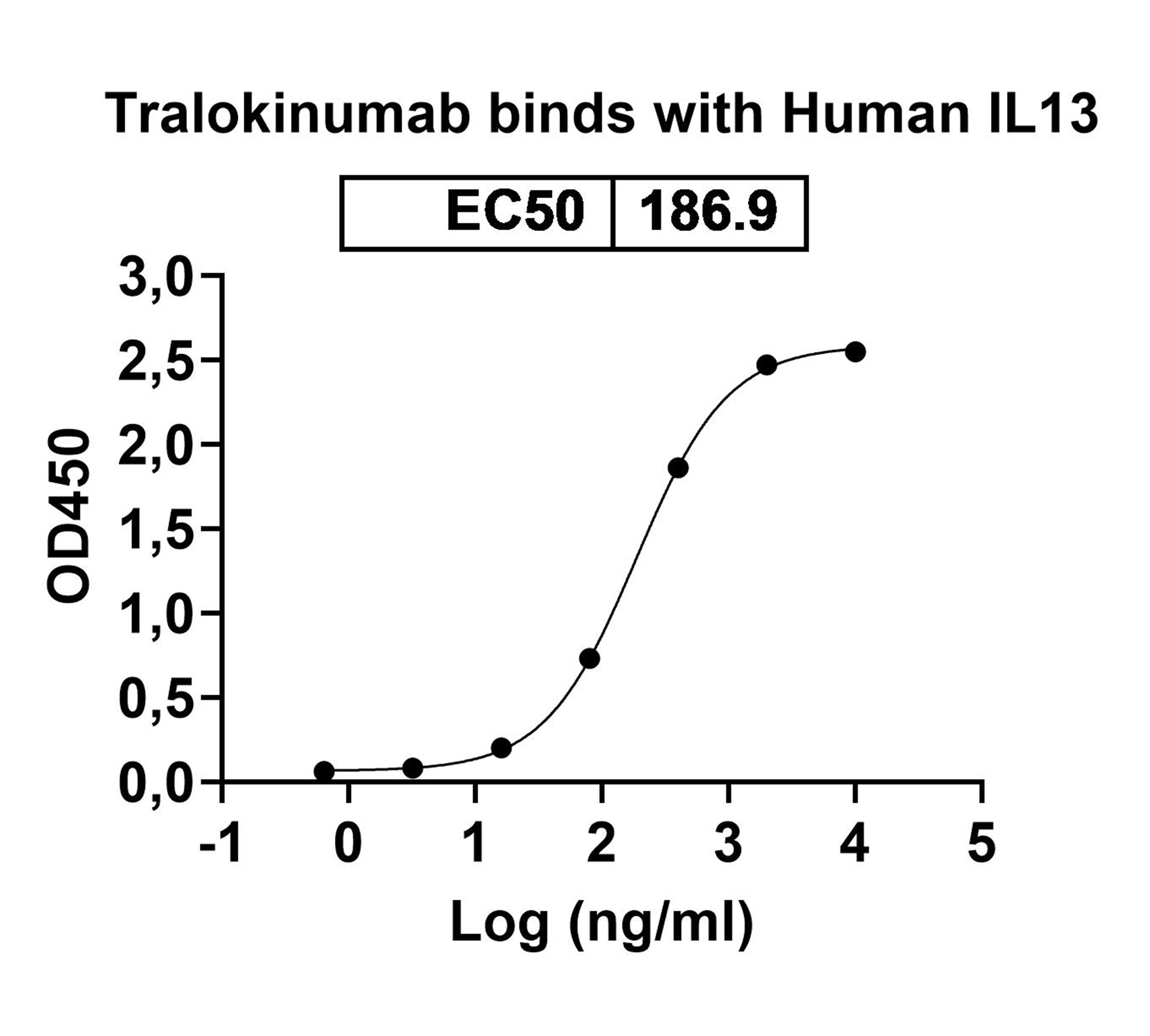
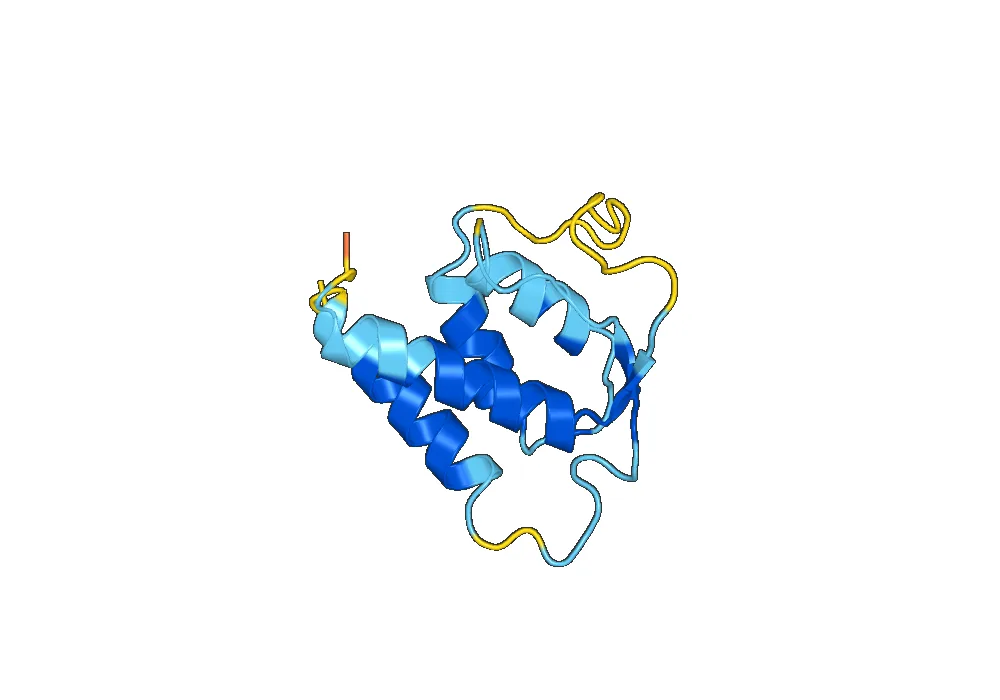
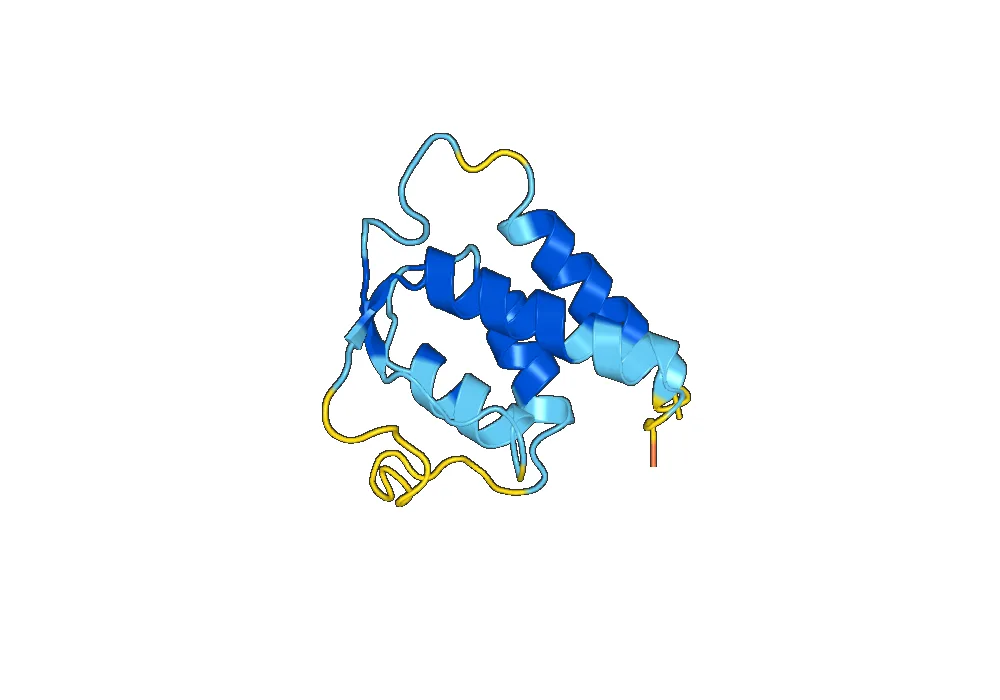
The variable region of Tralokinumab Biosimilar is responsible for its specificity and binding to its target, IL-13. This region is located at the tips of the Y-shaped structure and is composed of six complementarity-determining regions (CDRs). These CDRs interact with specific amino acid sequences on the IL-13 protein, allowing for a high affinity binding between the antibody and its target.
Activity of Tralokinumab Biosimilar
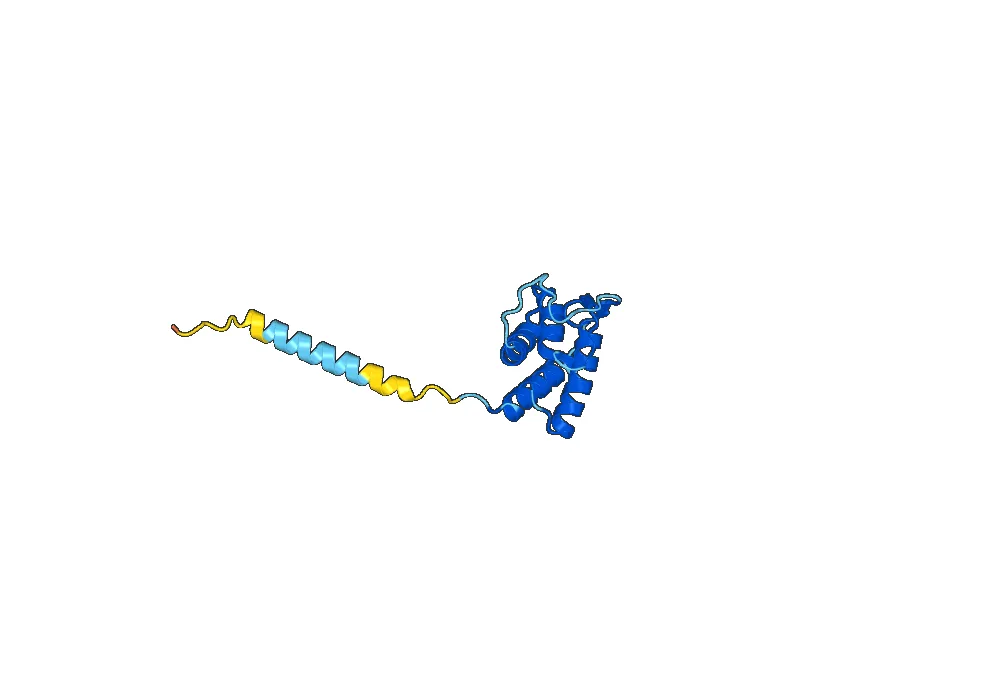
Tralokinumab Biosimilar is a potent inhibitor of IL-13, a cytokine that plays a crucial role in the pathogenesis of various inflammatory and autoimmune diseases. IL-13 is known to promote inflammation, tissue remodeling, and fibrosis, making it an attractive therapeutic target for many conditions.
Tralokinumab Biosimilar binds to IL-13 with high specificity and prevents it from binding to its receptor, IL-13Rα1. This blocks the downstream signaling pathways that lead to inflammation and other pathological processes. By inhibiting IL-13, Tralokinumab Biosimilar has the potential to alleviate symptoms and improve outcomes in diseases such as asthma, atopic dermatitis, and chronic obstructive pulmonary disease.
Potential Applications of Tralokinumab Biosimilar
Tralokinumab Biosimilar has shown promising results in preclinical studies and is currently being evaluated in clinical trials for the treatment of various diseases. One of the main indications for this biosimilar is asthma, a chronic respiratory condition that affects millions of people worldwide. In a phase II clinical trial, Tralokinumab Biosimilar was found to significantly improve lung function and reduce asthma exacerbations in patients with severe uncontrolled asthma.
Besides asthma, Tralokinumab Biosimilar may also have potential applications in other inflammatory and autoimmune diseases such as atopic dermatitis, chronic obstructive pulmonary disease, and eosinophilic esophagitis. These conditions are characterized by elevated levels of IL-13 and could potentially benefit from the inhibitory effects of Tralokinumab Biosimilar on this cytokine.
Conclusion
In summary, Tralokinumab Biosimilar is a research grade version of the original Tralokinumab, a monoclonal antibody that targets IL-13 and has potential therapeutic applications in various inflammatory and autoimmune diseases. Its unique structure and high specificity make it a promising candidate for the treatment of conditions such as asthma, atopic dermatitis, and chronic obstructive pulmonary disease. Further clinical trials will help determine the safety and efficacy of this biosimilar and its potential to improve the lives of patients suffering from these diseases.

There are no reviews yet.