The Structure and
Activity of Tuvirumab Biosimilar: An Anti-HBV mAb for Research Introduction
Tuvirumab Biosimilar is a monoclonal antibody (mAb) that specifically targets the hepatitis B virus (HBV). It is a research-grade antibody that has shown promising results in pre-clinical studies and is now being evaluated for its therapeutic potential in treating HBV infections. In this article, we will discuss the structure, activity, and potential applications of Tuvirumab Biosimilar.
The Structure of Tuvirumab Biosimilar
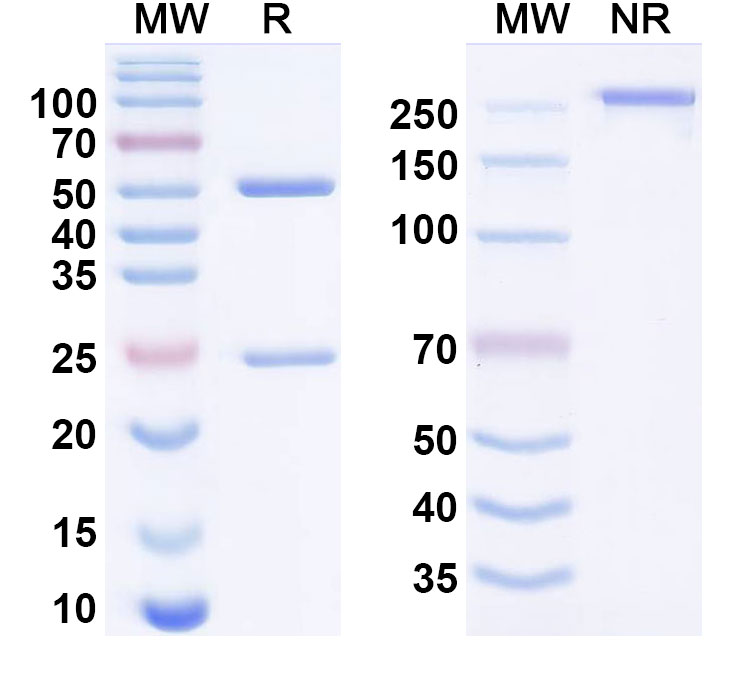
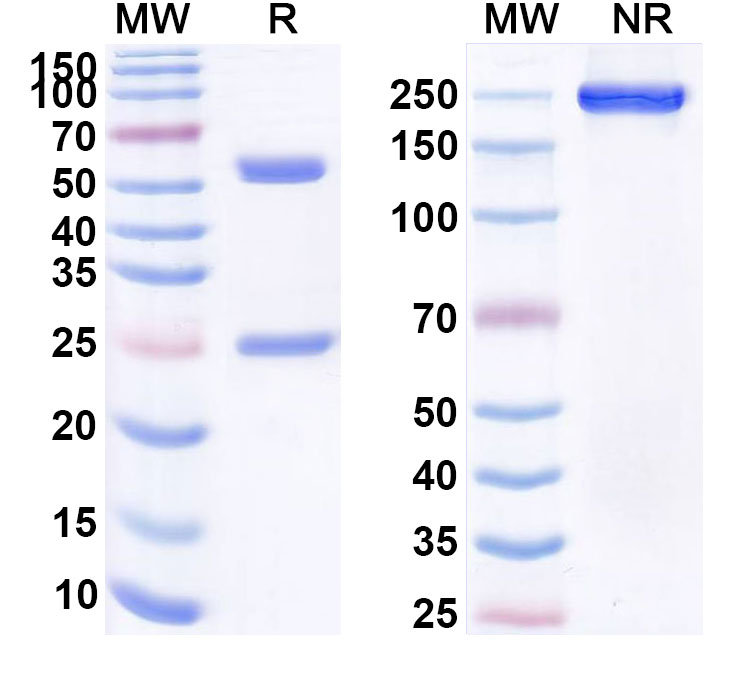
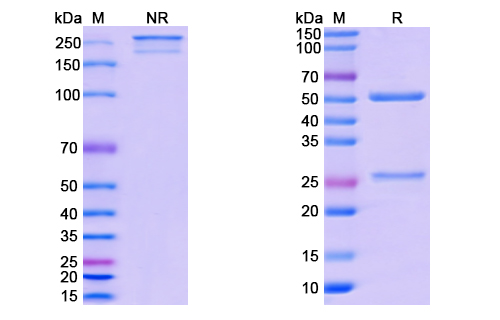
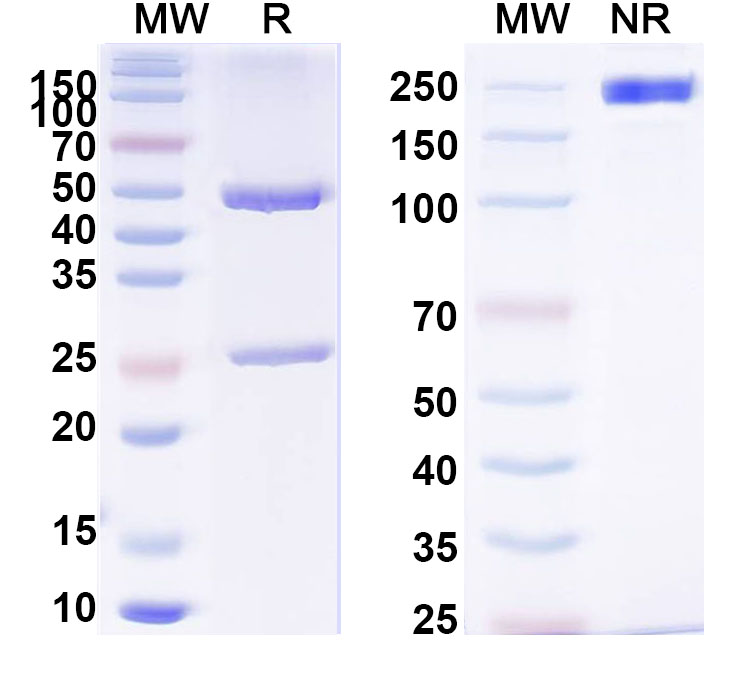
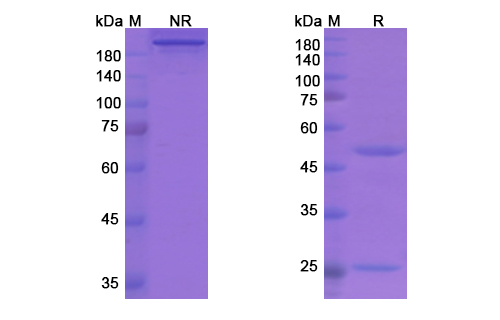
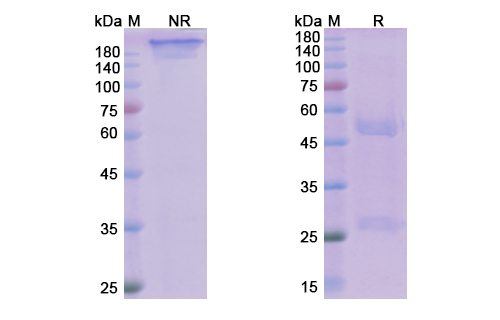
Tuvirumab Biosimilar is a recombinant humanized IgG1 antibody that is produced in Chinese hamster ovary (CHO) cells. It is composed of two heavy chains and two light chains, each containing a variable region and a constant region. The variable region of the antibody is responsible for binding to its target, while the constant region determines its effector functions.
The variable region of Tuvirumab Biosimilar is derived from a mouse monoclonal antibody, which has been genetically engineered to have human-like sequences. This process, known as humanization, reduces the risk of immune reactions when the antibody is administered to humans.
The heavy and light chains of Tuvirumab Biosimilar are connected by disulfide bonds, forming a Y-shaped structure. At the end of each arm of the Y, there is a specific binding site, known as the antigen-binding site, which recognizes and binds to a specific target.
The Activity of Tuvirumab Biosimilar
Tuvirumab Biosimilar binds to a specific protein on the surface of HBV, known as the hepatitis B surface antigen (HBsAg). This antigen is essential for the virus to enter and infect liver cells. By binding to HBsAg, Tuvirumab Biosimilar prevents the virus from attaching to and entering its target cells, effectively neutralizing its infectivity.
In addition to neutralizing the virus, Tuvirumab Biosimilar also activates the immune system to attack and clear HBV-infected cells. This is achieved through the antibody’s effector functions, which include activating complement proteins and recruiting immune cells to the site of infection. This dual mechanism of action makes Tuvirumab Biosimilar a potent and effective therapeutic agent against HBV infections.
Potential Applications of Tuvirumab Biosimilar
Tuvirumab Biosimilar is currently being evaluated in pre-clinical studies for its potential use as a therapeutic agent for HBV infections. It has shown promising results in animal models, where it effectively reduced viral load and cleared infected cells. If successful, Tuvirumab Biosimilar could potentially be used as a treatment for chronic HBV infections, which currently have limited treatment options.
In addition to its therapeutic potential, Tuvirumab Biosimilar can also be used as a research tool to study the mechanisms of HBV infection and develop new treatments. Its specificity and potency make it a valuable tool for studying the role of HBsAg in viral entry and identifying potential targets for drug development.
Conclusion
Tuvirumab Biosimilar is a promising research-grade antibody that specifically targets HBV and has shown potential as a therapeutic agent for treating HBV infections. Its structure, activity, and potential applications make it a valuable tool for both research and potential clinical use. Further studies and clinical trials are needed to fully evaluate the efficacy and safety of Tuvirumab Biosimilar as a treatment for HBV infections.
There are no reviews yet.