Introduction
Veltuzumab Biosimilar is a monoclonal antibody (mAb) that targets the CD20 receptor, which is expressed on the surface of B cells. This biosimilar is a research grade version of the original Veltuzumab, which was approved by the FDA for the treatment of non-Hodgkin’s lymphoma and chronic lymphocytic leukemia. In this article, we will explore the structure, activity, and potential applications of Veltuzumab Biosimilar as an antibody therapeutic targeting CD20 receptors.
Structure of Veltuzumab Biosimilar
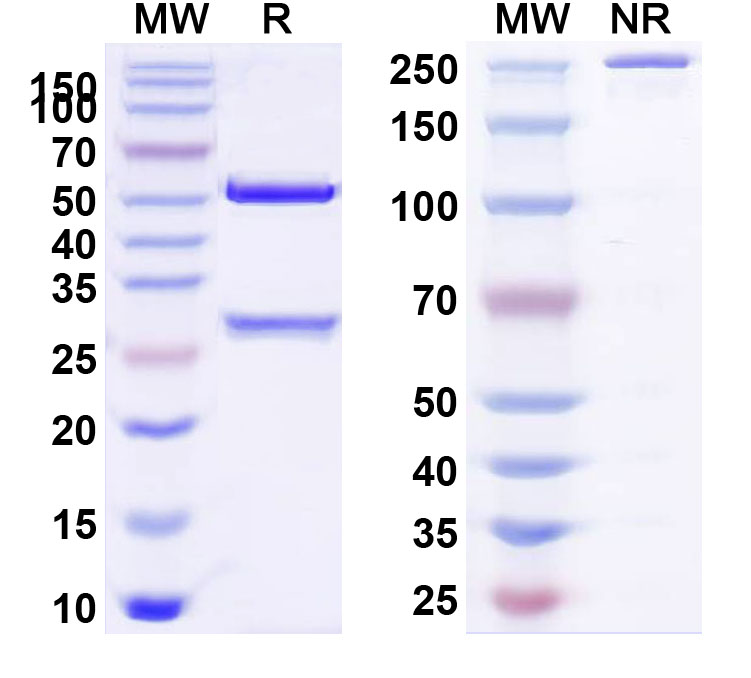
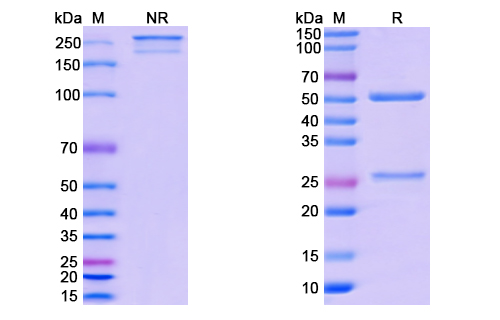
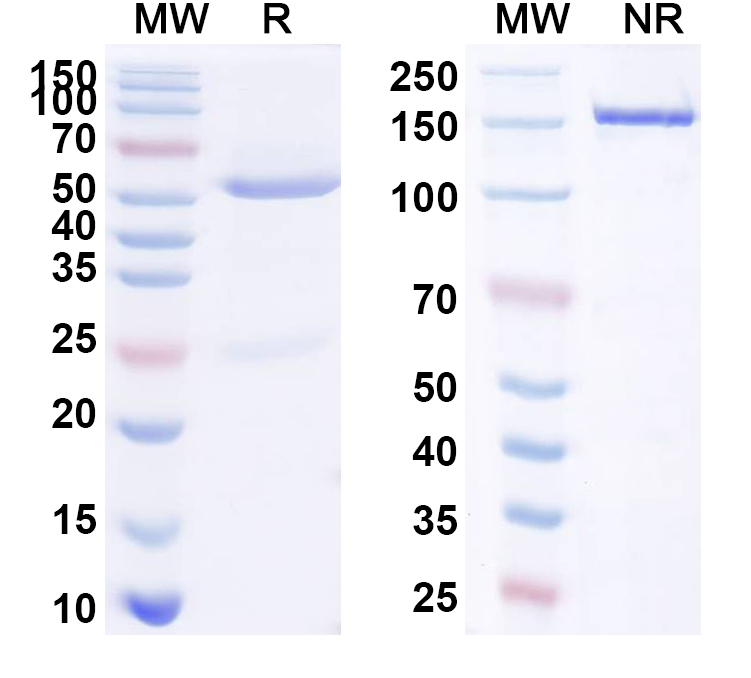
Veltuzumab Biosimilar is a humanized IgG1 monoclonal antibody that is produced through recombinant DNA technology. It is composed of two identical heavy chains and two identical light chains, each containing a variable domain and a constant domain. The variable domains are responsible for binding to the CD20 receptor, while the constant domains determine the effector functions of the antibody.
Activity of Veltuzumab Biosimilar
The main activity of Veltuzumab Biosimilar is to bind to the CD20 receptor on B cells. This binding triggers a series of events that ultimately lead to the depletion of B cells. The exact mechanism of action is not fully understood, but it is believed that Veltuzumab Biosimilar induces cell death through antibody-dependent cellular cytotoxicity (ADCC) and complement-dependent cytotoxicity (CDC). ADCC involves the recruitment of immune cells, such as natural killer cells, to kill the targeted B cells. CDC, on the other hand, involves the activation of the complement system, which results in the formation of pores on the surface of B cells and leads to their destruction.
Potential Applications of Veltuzumab Biosimilar
Veltuzumab Biosimilar has shown promising results in the treatment of non-Hodgkin’s lymphoma and chronic lymphocytic leukemia, and it is currently being investigated for other potential applications. One of the most promising areas of research is the use of Veltuzumab Biosimilar in the treatment of autoimmune diseases. CD20 is also expressed on the surface of autoreactive B cells, which play a crucial role in the development of autoimmune disorders. By depleting these B cells, Veltuzumab Biosimilar has the potential to suppress the immune response and reduce the severity of autoimmune diseases.
Another potential application of Veltuzumab Biosimilar is in the treatment of solid tumors. CD20 expression has been reported in some solid tumors, such as breast cancer and melanoma, and studies have shown that Veltuzumab Biosimilar can induce cell death in these tumors. This opens up the possibility of using Veltuzumab Biosimilar in combination with other cancer therapies to improve treatment outcomes.
Conclusion
In conclusion, Veltuzumab Biosimilar is a humanized IgG1 monoclonal antibody that targets the CD20 receptor on B cells. Its main activity is to induce the depletion of B cells through ADCC and CDC. This biosimilar has shown promising results in the treatment of non-Hodgkin’s lymphoma and chronic lymphocytic leukemia, and it is also being investigated for potential applications in autoimmune diseases and solid tumors. Further research and clinical trials are needed to fully understand the potential of Veltuzumab Biosimilar as an antibody therapeutic targeting CD20 receptors.


There are no reviews yet.