Vevoctadekin Biosimilar – Anti-IFN-gamma-inducing factor mAb: A Potential Therapeutic Antibody Targeting Inflammatory Diseases
Introduction
Vevoctadekin Biosimilar is a novel monoclonal antibody (mAb) targeting IFN-gamma-inducing factor (IGIF), also known as IL-18, a pro-inflammatory cytokine involved in various inflammatory diseases. This biosimilar is being developed as a potential therapeutic option for patients suffering from these conditions. In this article, we will discuss the structure, activity, and potential applications of Vevoctadekin Biosimilar in detail.
Structure of Vevoctadekin Biosimilar
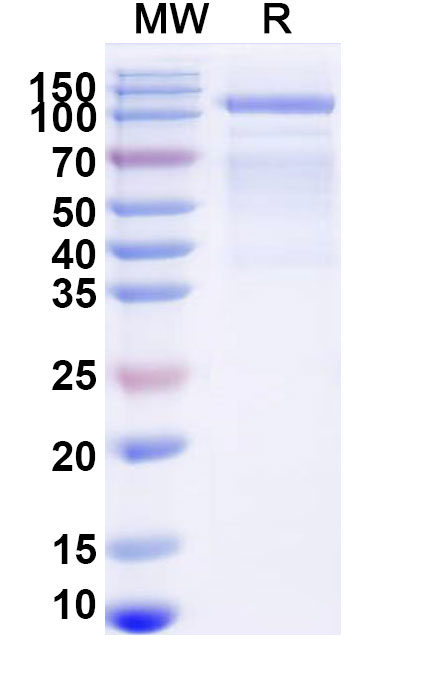
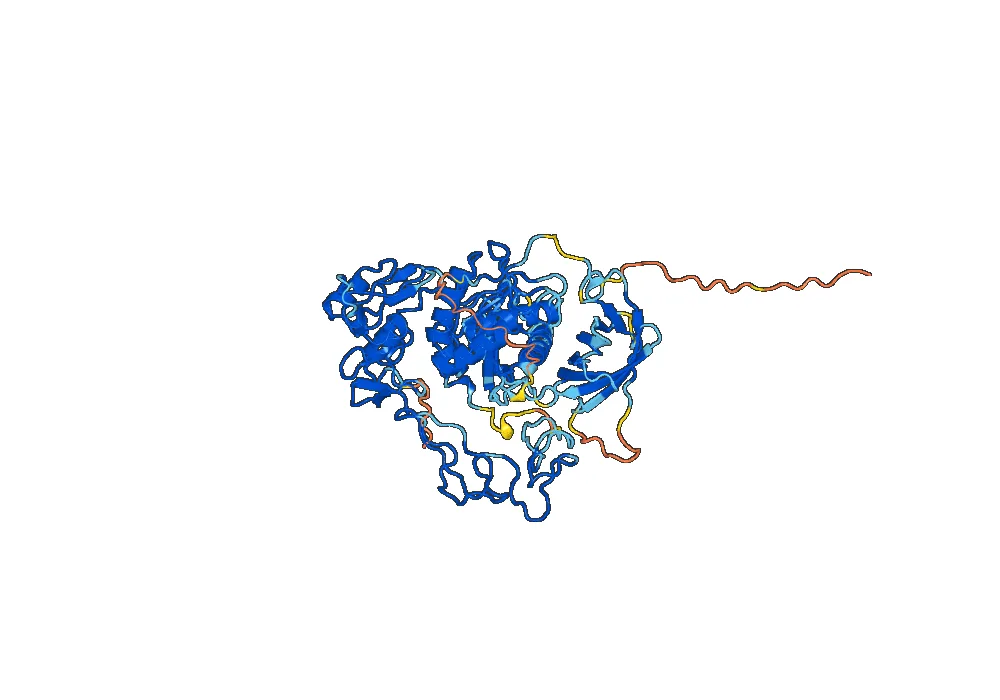
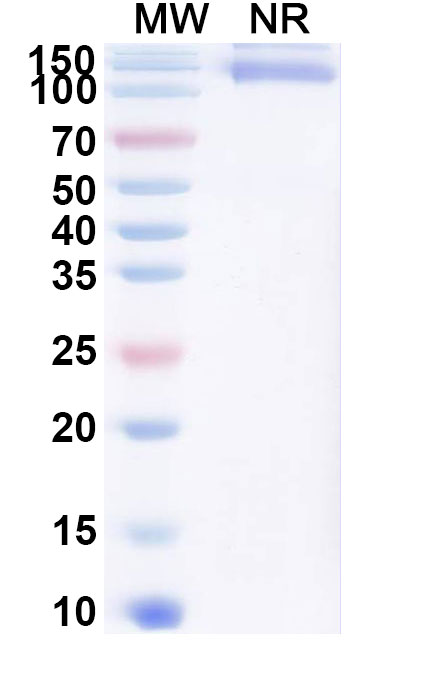
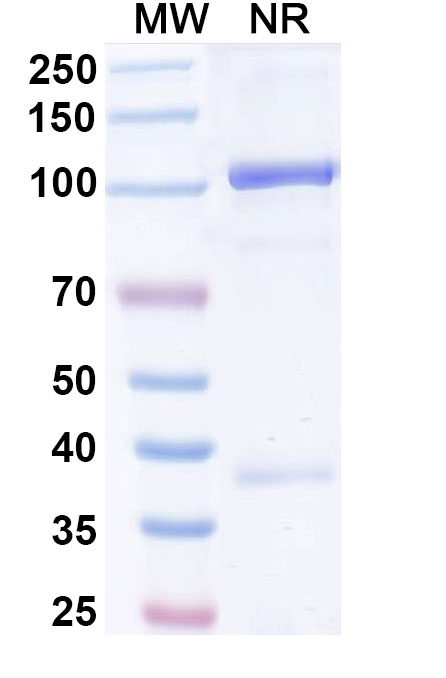
Vevoctadekin Biosimilar is a fully humanized IgG1 monoclonal antibody, produced using recombinant DNA technology. It has a molecular weight of approximately 150 kDa and consists of two heavy chains and two light chains. The heavy chain is composed of four constant domains (CH1, CH2, CH3, and CH4) and one variable domain (VH), while the light chain contains one constant domain (CL) and one variable domain (VL). The VH and VL domains together form the antigen-binding site, which specifically recognizes and binds to IGIF.
Mechanism of Action
Vevoctadekin Biosimilar exerts its therapeutic effect by binding to IGIF and blocking its interaction with its receptor, resulting in the inhibition of downstream signaling pathways. IGIF is known to induce the production of IFN-gamma, a key mediator of inflammation, and by neutralizing IGIF, Vevoctadekin Biosimilar can reduce the levels of IFN-gamma and attenuate the inflammatory response. This mechanism of action makes Vevoctadekin Biosimilar a promising therapeutic option for a wide range of inflammatory diseases.
Applications of Vevoctadekin Biosimilar
Vevoctadekin Biosimilar is currently being evaluated in preclinical and clinical studies for its potential use in various inflammatory diseases, including rheumatoid arthritis, psoriasis, inflammatory bowel disease, and asthma. These conditions are characterized by elevated levels of IGIF and IFN-gamma, and by targeting IGIF, Vevoctadekin Biosimilar has the potential to provide significant clinical benefits to patients.
Rheumatoid Arthritis
Rheumatoid arthritis (RA) is a chronic autoimmune disease characterized by inflammation of the joints, leading to pain, stiffness, and joint damage. IGIF has been implicated in the pathogenesis of RA, and its levels are found to be elevated in the synovial fluid of RA patients. In a preclinical study, treatment with Vevoctadekin Biosimilar was found to significantly reduce joint inflammation and prevent joint destruction in a mouse model of RA. These promising results have led to the initiation of clinical trials to evaluate the safety and efficacy of Vevoctadekin Biosimilar in RA patients.
Psoriasis
Psoriasis is a chronic inflammatory skin disease characterized by red, scaly patches on the skin. IGIF has been shown to play a crucial role in the development of psoriasis by promoting the activation and proliferation of immune cells. In a preclinical study, treatment with Vevoctadekin Biosimilar was found to reduce the severity of psoriasis-like skin lesions in a mouse model, suggesting its potential as a treatment for psoriasis. Clinical trials are currently underway to evaluate the efficacy and safety of Vevoctadekin Biosimilar in psoriasis patients.
Inflammatory Bowel Disease Inflammatory bowel disease

There are no reviews yet.