Introduction
Vibostolimab Biosimilar, also known as Anti-TIGIT, VSIG9, VSTM3 mAb, is a monoclonal antibody that has been developed as a potential therapeutic agent for various diseases. This biosimilar is a research grade version of the original Vibostolimab antibody and is currently being studied for its potential use in treating cancer and autoimmune disorders. In this article, we will discuss the structure, activity, and potential applications of Vibostolimab Biosimilar in detail.
Structure of Vibostolimab Biosimilar
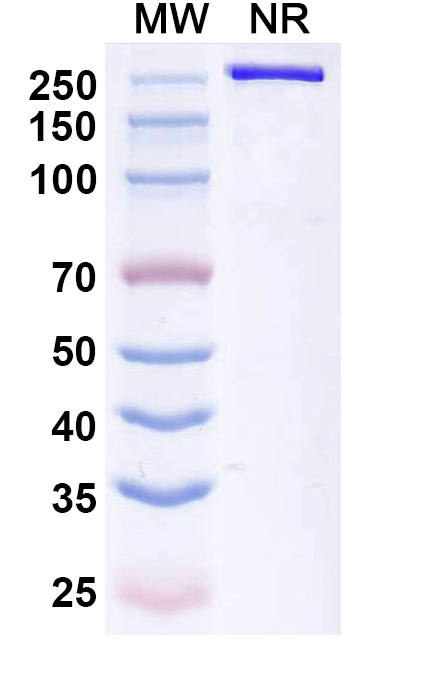
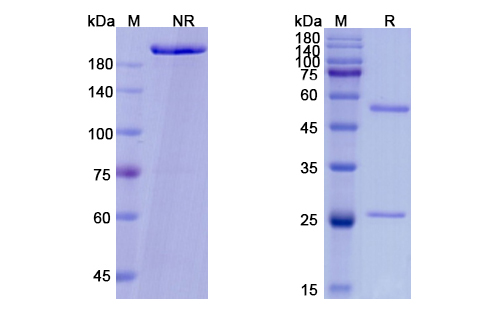
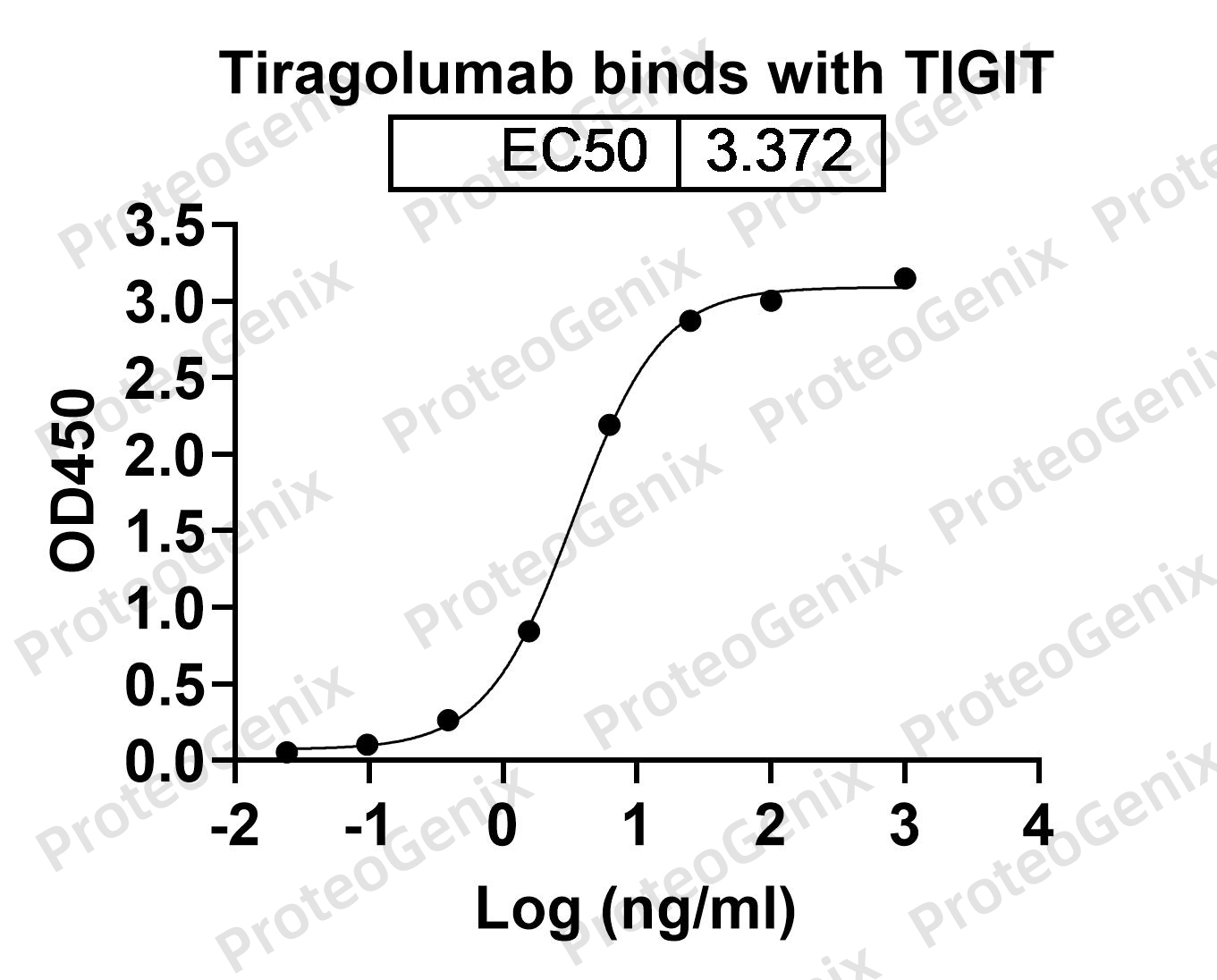
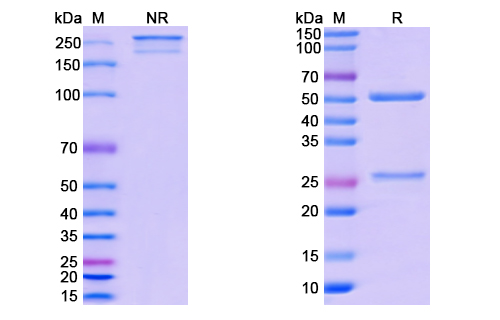
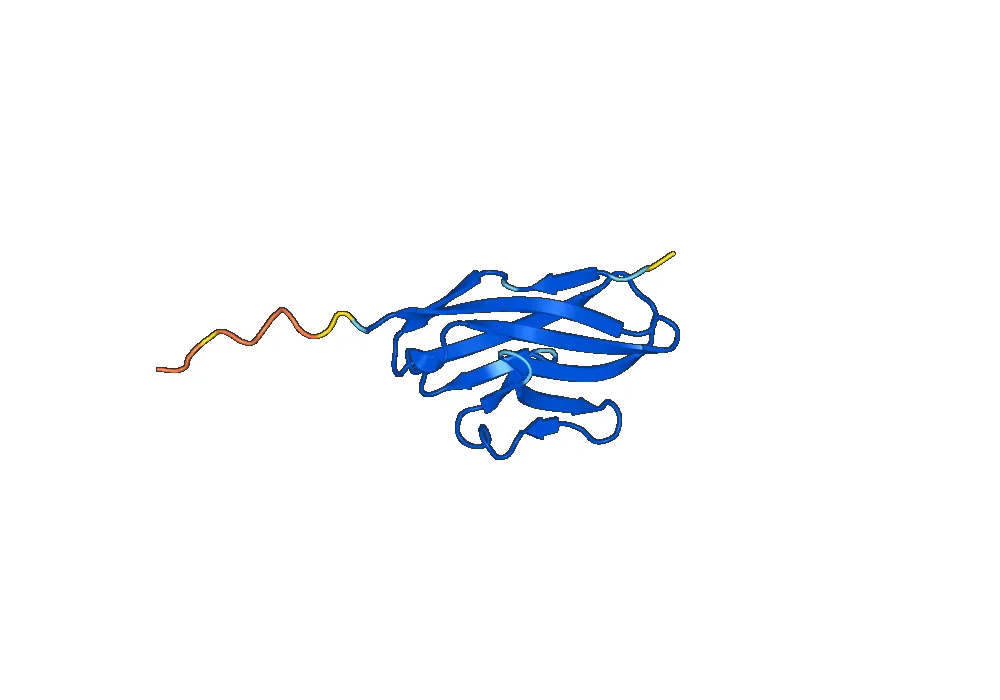
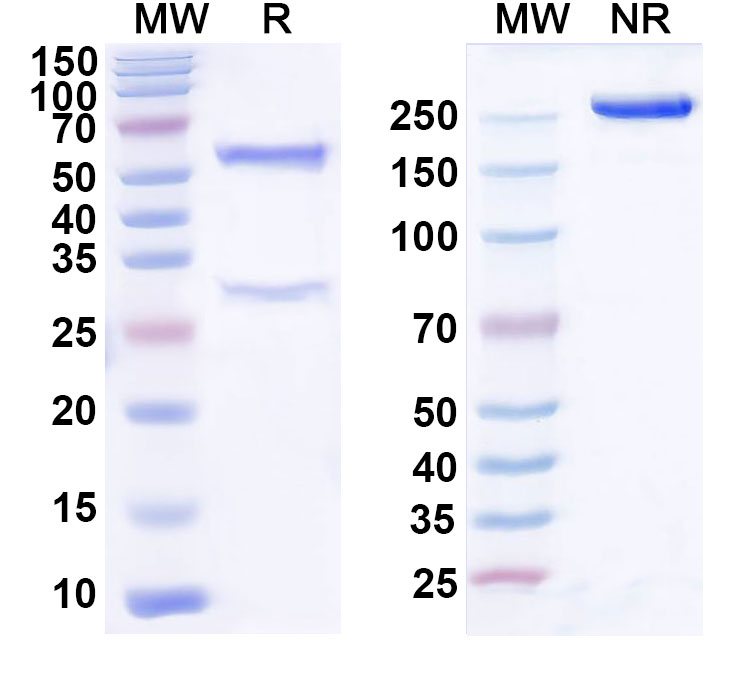
Vibostolimab Biosimilar is a monoclonal antibody that specifically targets T-cell immunoglobulin and ITIM domain (TIGIT) receptor. It is a recombinant humanized IgG1 antibody, which means that it is a human antibody with a small portion of non-human origin. The antibody has a molecular weight of approximately 150 kDa and is composed of two heavy and two light chains. The heavy chains consist of constant and variable regions, while the light chains only have variable regions. The variable regions of Vibostolimab Biosimilar are responsible for binding to the TIGIT receptor.
Activity of Vibostolimab Biosimilar
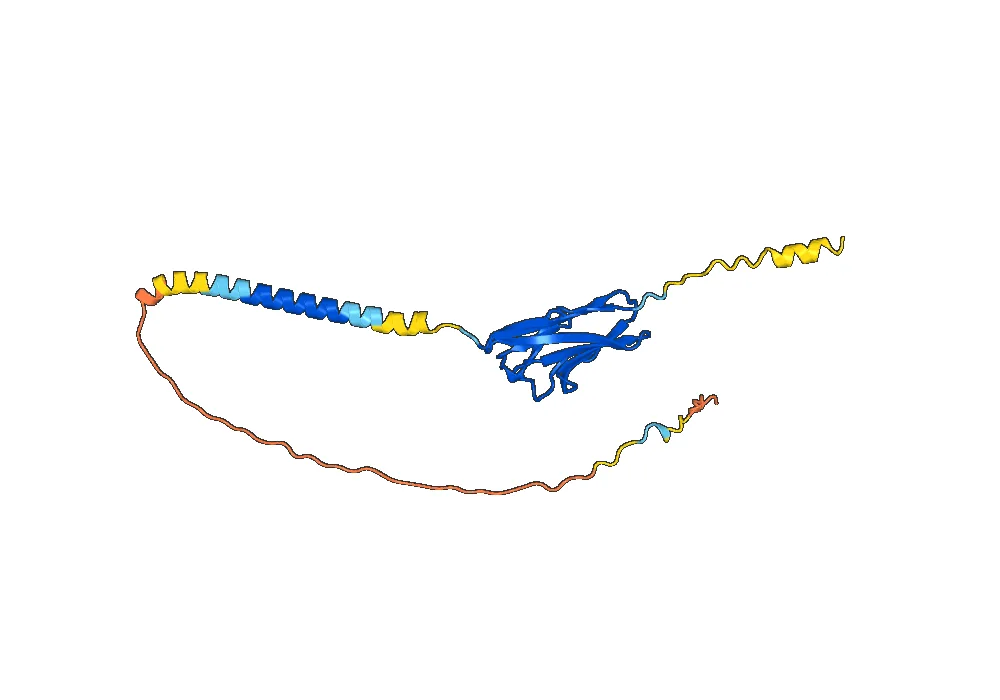
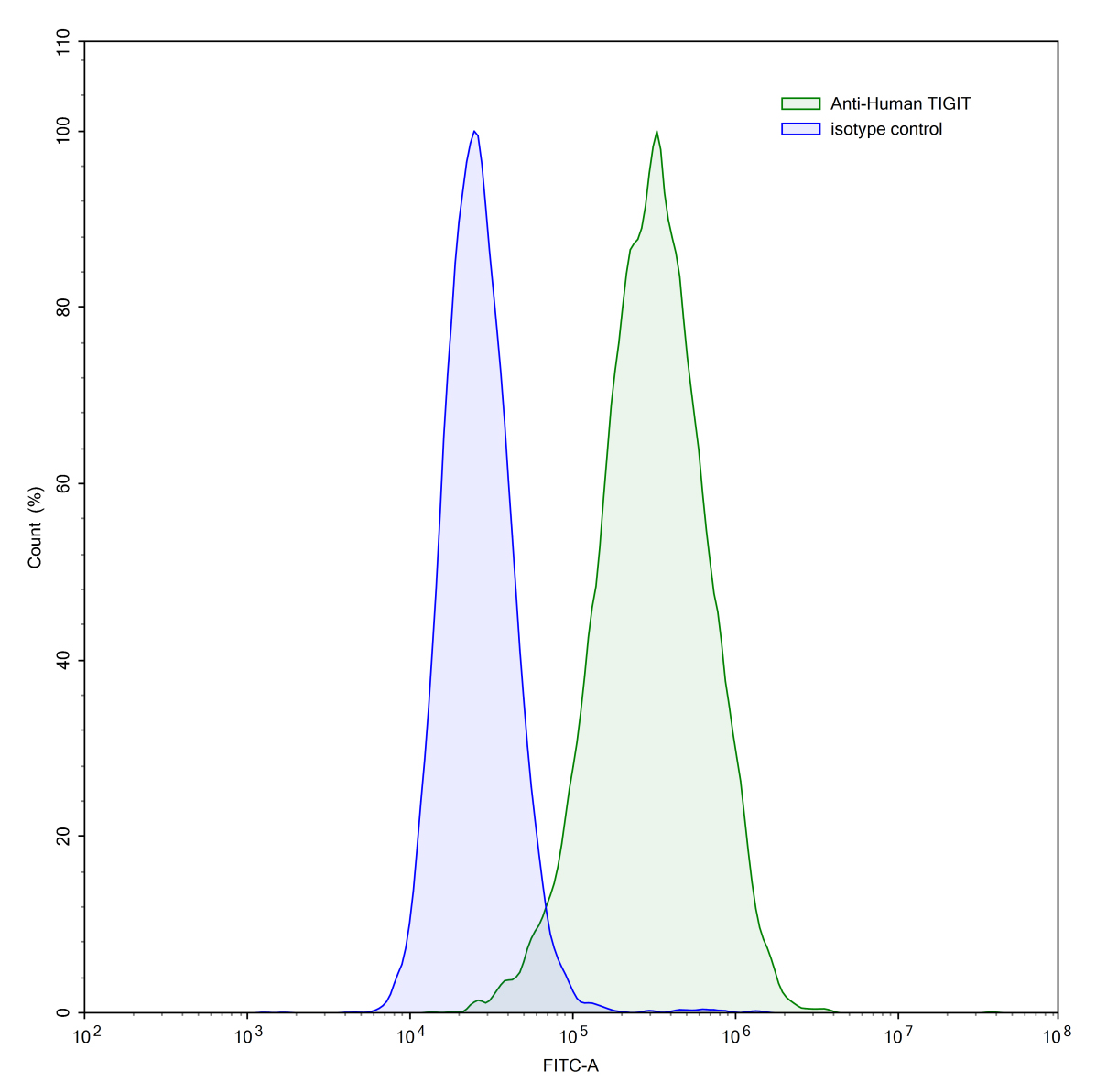
The main activity of Vibostolimab Biosimilar is its ability to block the TIGIT receptor. TIGIT is a protein found on the surface of T cells and natural killer (NK) cells, which plays a crucial role in regulating immune responses. When TIGIT binds to its ligand, it inhibits the activation and proliferation of T cells and NK cells. This mechanism is important for maintaining immune homeostasis and preventing excessive immune responses. However, in certain diseases, such as cancer and autoimmune disorders, TIGIT can be overexpressed, leading to immune suppression and disease progression. Vibostolimab Biosimilar works by binding to the TIGIT receptor, preventing its interaction with its ligand and thereby restoring the function of T cells and NK cells.
Applications of Vibostolimab Biosimilar
Vibostolimab Biosimilar has shown promising results in preclinical studies and is currently being evaluated in clinical trials for its potential use in various diseases. Here are some of the potential applications of this biosimilar:
Cancer TIGIT is overexpressed on immune cells in many types of cancer, including lung, breast, and ovarian cancer. By blocking TIGIT, Vibostolimab Biosimilar can enhance the anti-tumor immune response and potentially improve the efficacy of cancer treatments. Clinical trials are currently ongoing to evaluate the safety and efficacy of Vibostolimab Biosimilar in combination with other cancer therapies.
Autoimmune Disorders
In autoimmune disorders, TIGIT can be upregulated, leading to immune suppression and disease progression. By blocking TIGIT, Vibostolimab Biosimilar can potentially restore the balance of the immune system and improve disease outcomes. Clinical trials are currently underway to evaluate the use of this biosimilar in autoimmune diseases such as rheumatoid arthritis and multiple sclerosis.
Infectious Diseases
TIGIT has also been shown to play a role in the immune response against certain infectious diseases, such as HIV and hepatitis B. By blocking TIGIT, Vibostolimab Biosimilar may enhance the immune response and potentially aid in the clearance of these infections. Clinical trials are currently ongoing to evaluate the use of this biosimilar in infectious diseases.
Other Potential Applications
In addition to the above-mentioned applications, Vibostolimab Biosimilar is also being studied for its potential use in other diseases, such as graft-versus-host disease, psoriasis, and inflammatory bowel disease. Further research is needed to fully understand the potential of this biosimilar in these diseases.
Conclusion
In summary, Vibostolimab Biosimilar is a monoclonal antibody that specifically targets the TIGIT receptor.
There are no reviews yet.