Introduction
Xirestomig Biosimilar, also known as Anti-Tumor necrosis factor receptor superfamily member 9, CD274 mAb – Research Grade, is a novel therapeutic antibody that has shown promising results in the treatment of various diseases. This biosimilar is a monoclonal antibody that targets the CD274 protein, which is a member of the tumor necrosis factor receptor superfamily. In this article, we will explore the structure, activity, and potential applications of Xirestomig Biosimilar.
Structure of Xirestomig Biosimilar
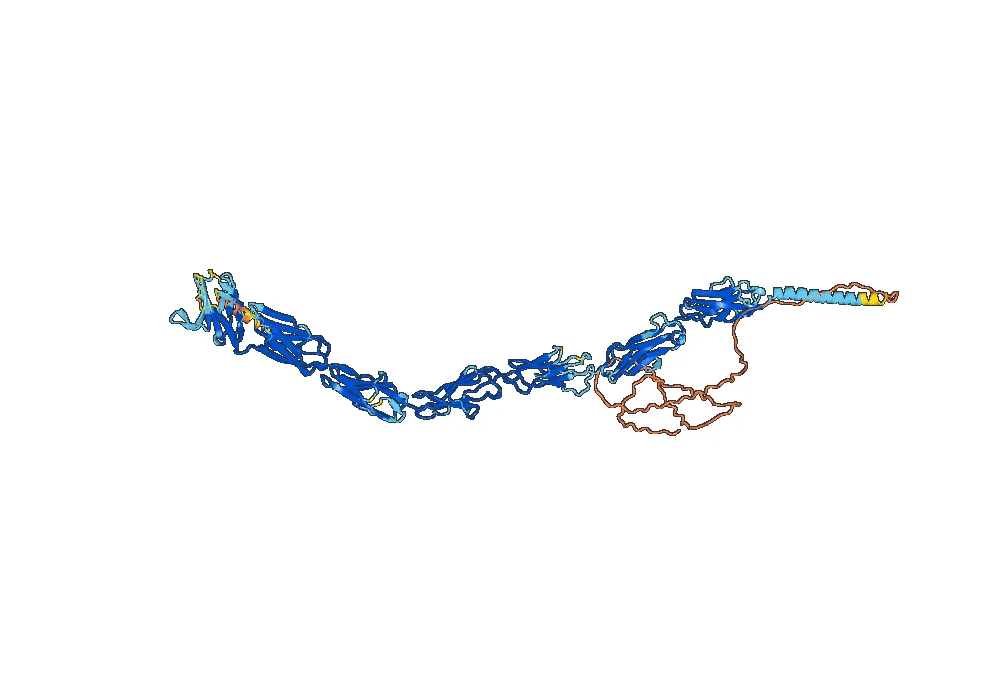
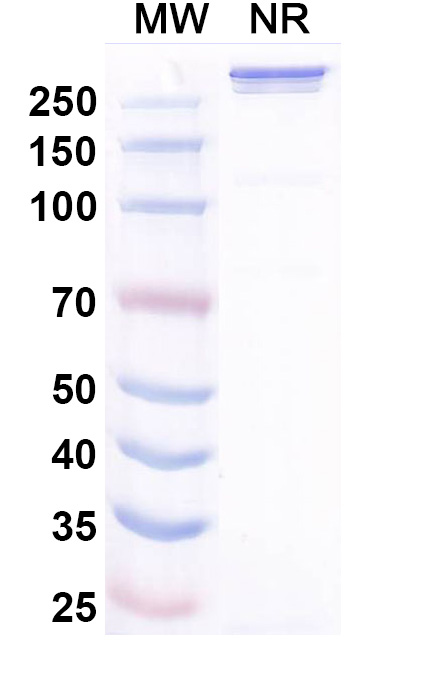
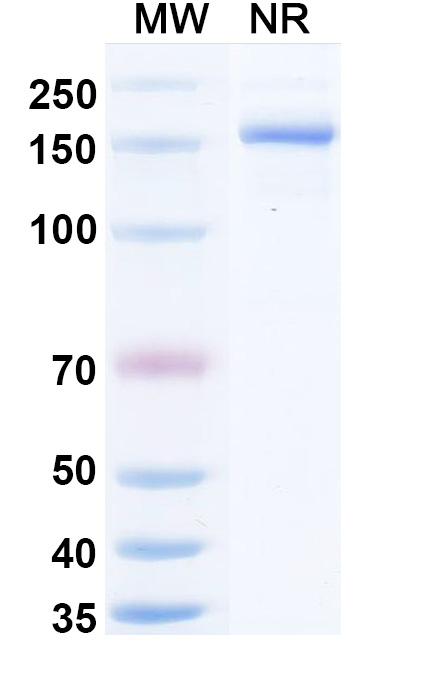
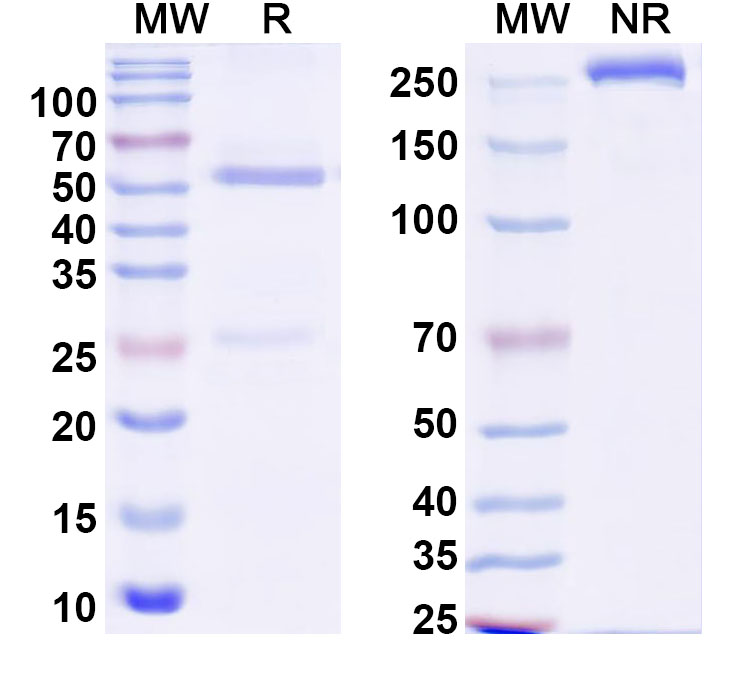
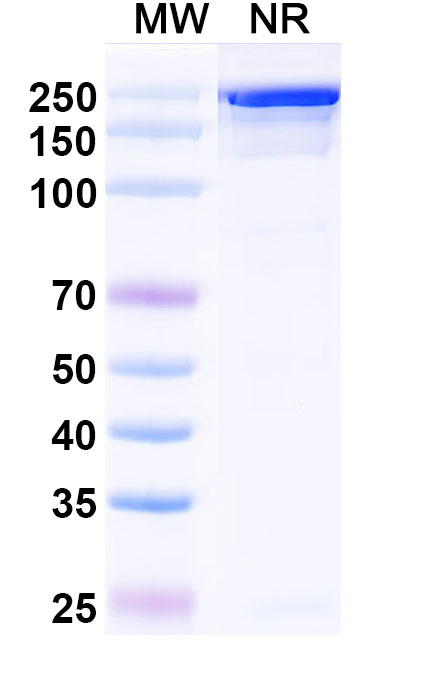
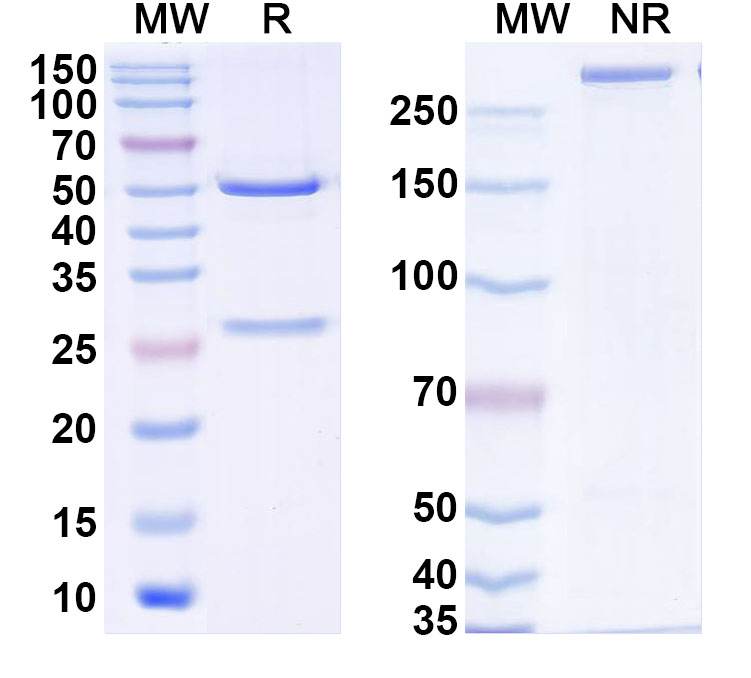
Xirestomig Biosimilar is a monoclonal antibody that is produced using recombinant DNA technology. It is a fully humanized antibody, meaning that it is derived from human genetic material and has a high affinity for the CD274 protein. The antibody has a molecular weight of approximately 150 kDa and is composed of two heavy chains and two light chains. These chains are connected by disulfide bonds and form a Y-shaped structure.
Activity of Xirestomig Biosimilar
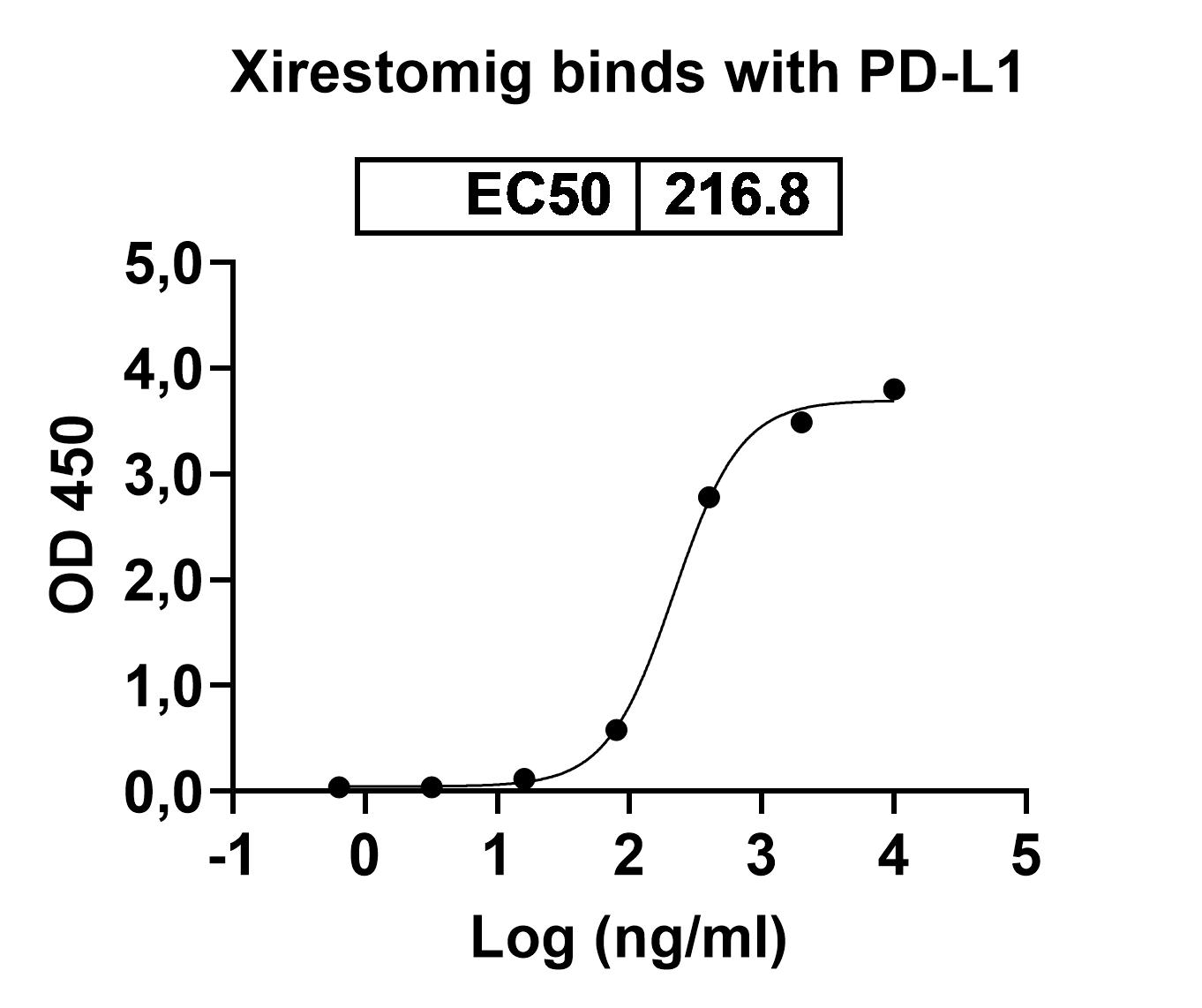
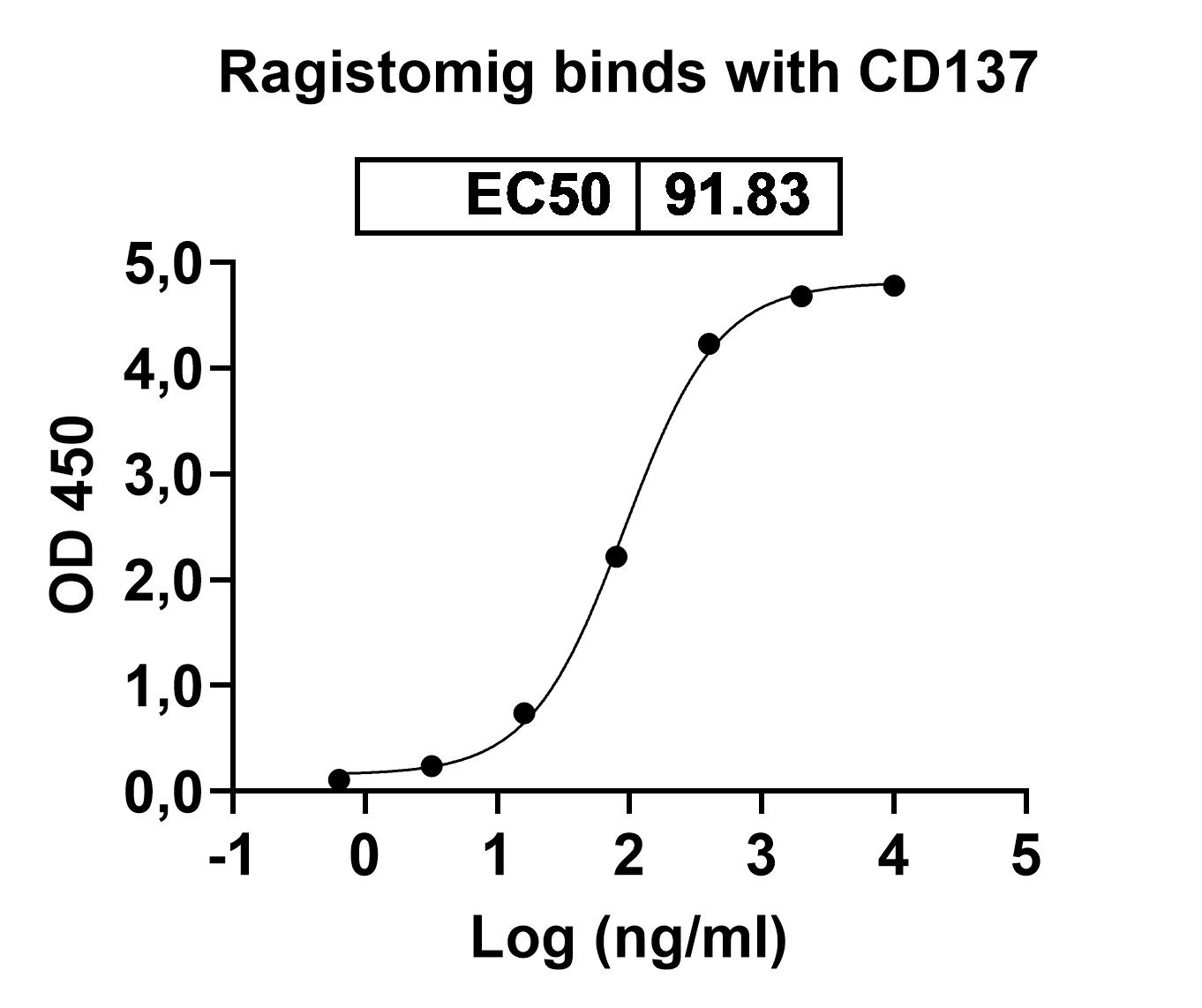
The primary function of Xirestomig Biosimilar is to bind to the CD274 protein, which is a cell surface receptor that is involved in regulating immune responses. CD274, also known as programmed cell death ligand 1 (PD-L1), is overexpressed in various types of cancer cells and plays a key role in suppressing the immune system’s response to tumors. By targeting CD274, Xirestomig Biosimilar blocks its interaction with the programmed cell death protein 1 (PD-1) receptor on immune cells, thereby restoring the immune system’s ability to recognize and attack cancer cells.
In addition to its anti-tumor activity, Xirestomig Biosimilar has also shown potential in treating autoimmune diseases. CD274 is also involved in regulating the immune response in autoimmune disorders, and by blocking its activity, Xirestomig Biosimilar can help reduce inflammation and tissue damage.
Potential Applications of Xirestomig Biosimilar
Xirestomig Biosimilar has been evaluated in preclinical and clinical studies for its potential use in various diseases. Its primary application is in the treatment of cancer, particularly in patients with advanced or metastatic tumors. In clinical trials, Xirestomig Biosimilar has shown promising results in patients with non-small cell lung cancer, melanoma, and renal cell carcinoma.
In addition to its anti-tumor activity, Xirestomig Biosimilar has also shown potential in treating autoimmune diseases such as rheumatoid arthritis, psoriasis, and inflammatory bowel disease. Clinical trials have demonstrated its efficacy in reducing disease activity and improving symptoms in patients with these conditions.
Xirestomig Biosimilar is also being investigated for its potential use in combination with other therapies. Studies have shown that combining Xirestomig Biosimilar with chemotherapy or other targeted therapies can enhance its anti-tumor activity and improve treatment outcomes.
Conclusion
In summary, Xirestomig Biosimilar is a novel therapeutic antibody that targets the CD274 protein, which is involved in regulating immune responses. Its primary function is to block the interaction between CD274 and PD-1, thereby restoring the immune system’s ability to recognize and attack cancer cells. Xirestomig Biosimilar has shown promising results in clinical trials for the treatment of various cancers and autoimmune diseases. Further studies are ongoing to explore its potential in combination with other therapies.

There are no reviews yet.