Introduction
Zatuximab Biosimilar, also known as Anti-HER1 mAb, is a monoclonal antibody that has shown promising results in the treatment of various cancers. In this article, we will explore the structure, activity, and potential applications of this biosimilar in the field of cancer research.
Structure of Zatuximab Biosimilar
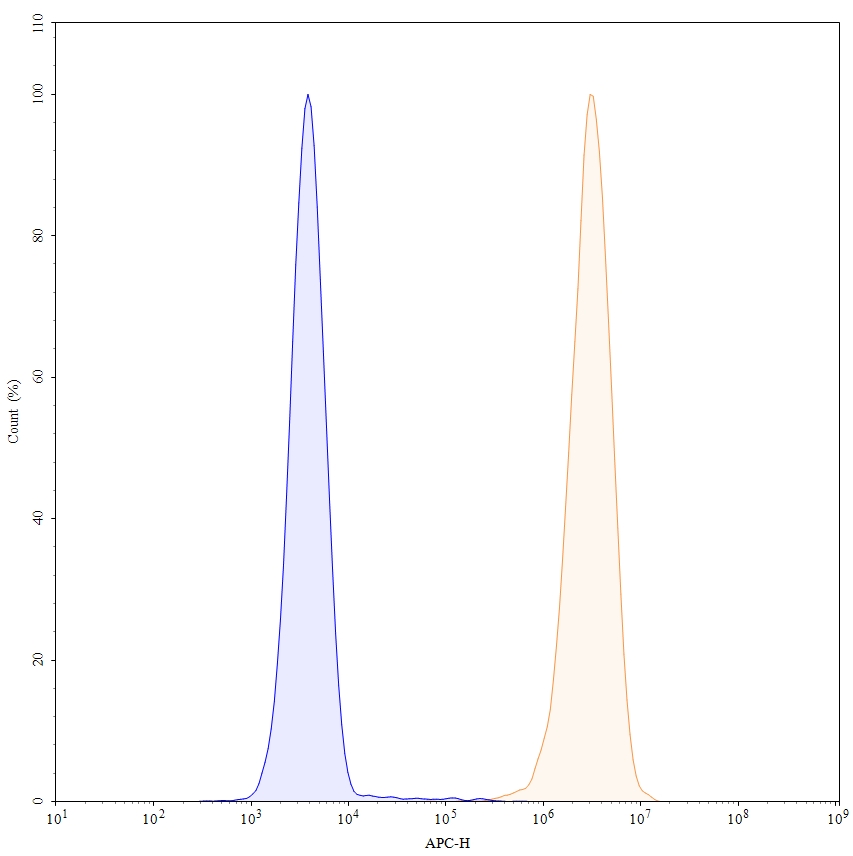
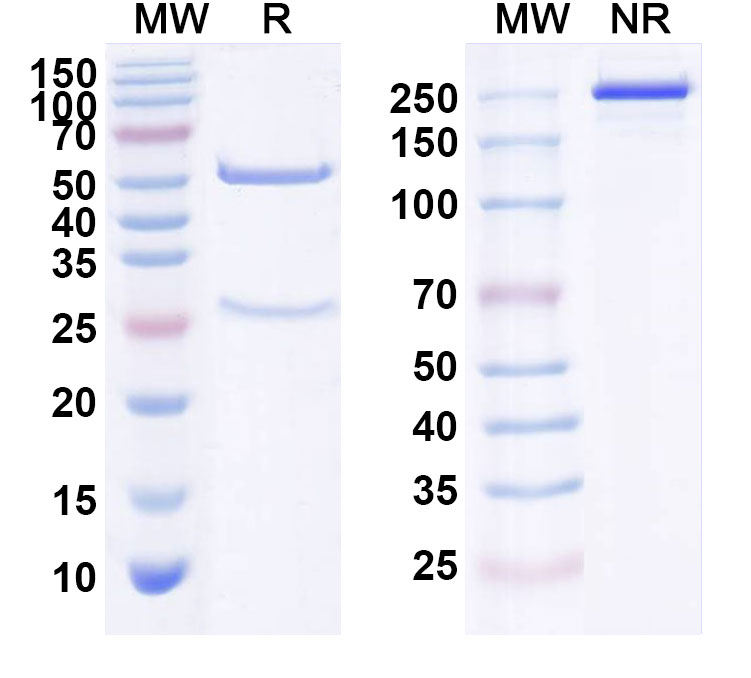
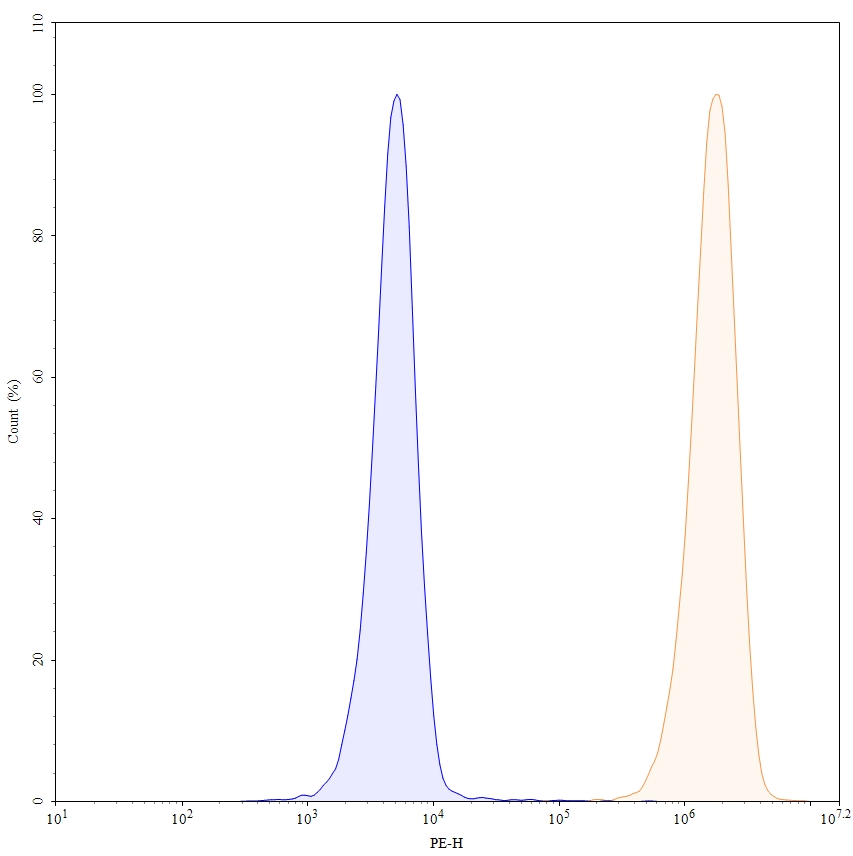
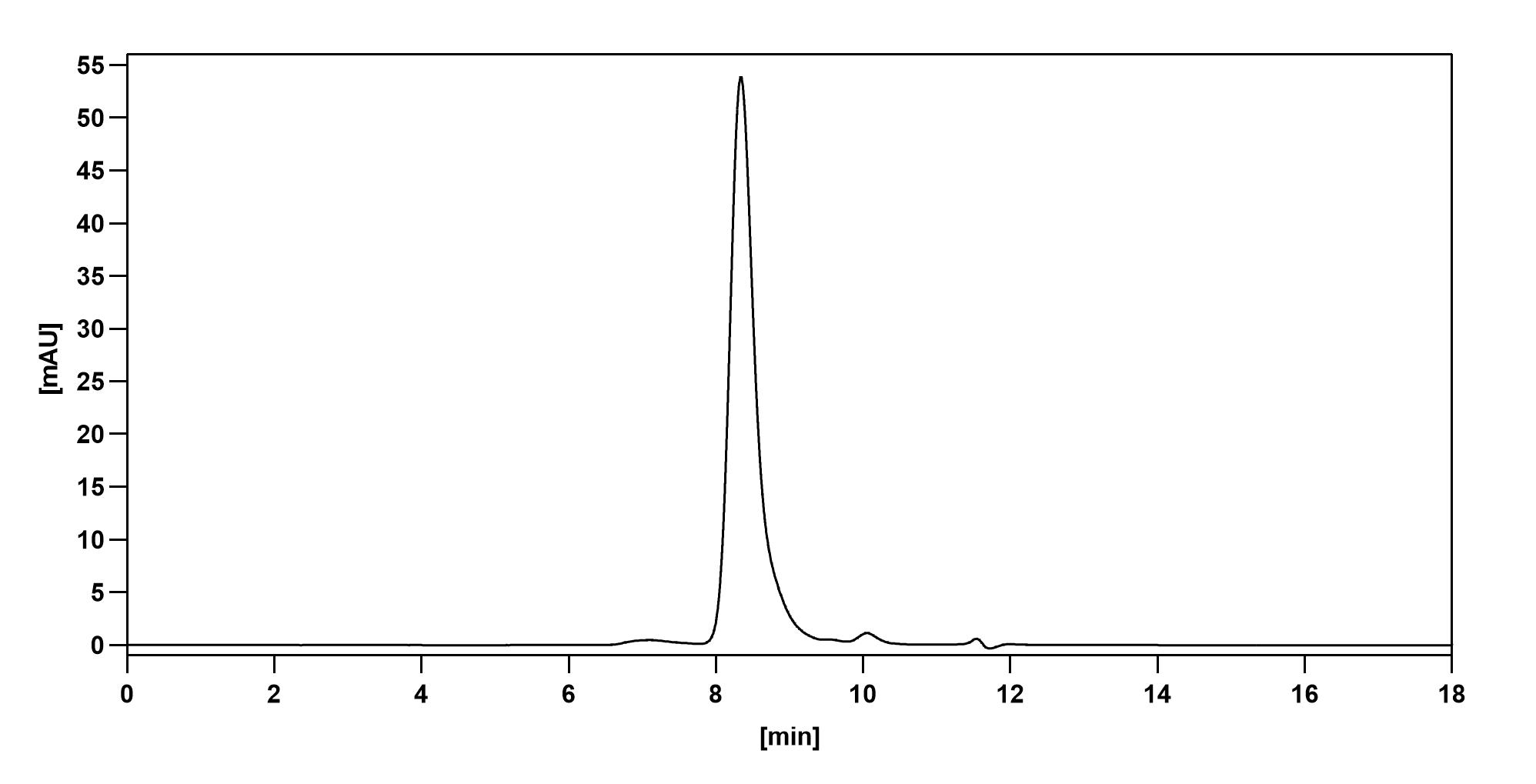
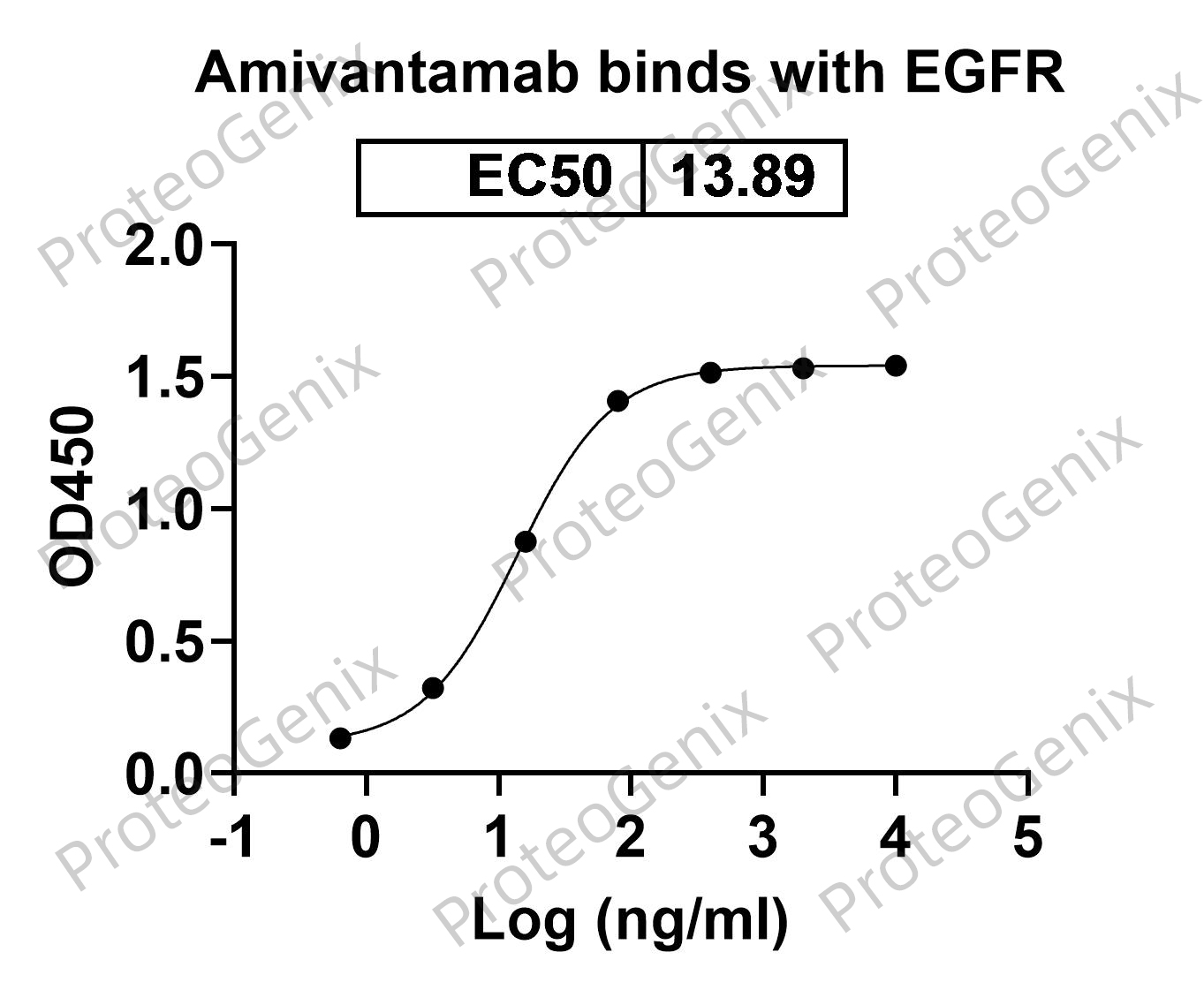
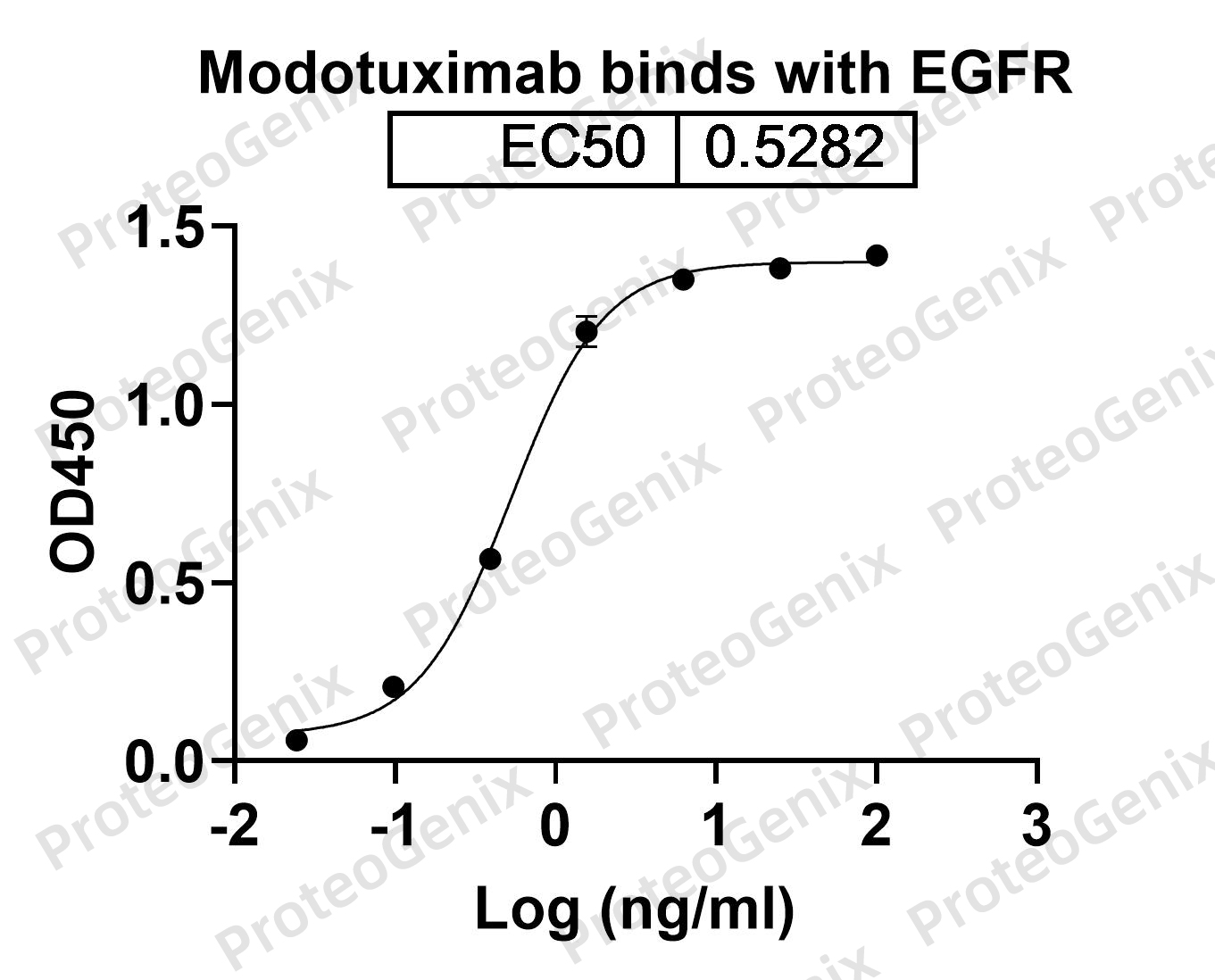
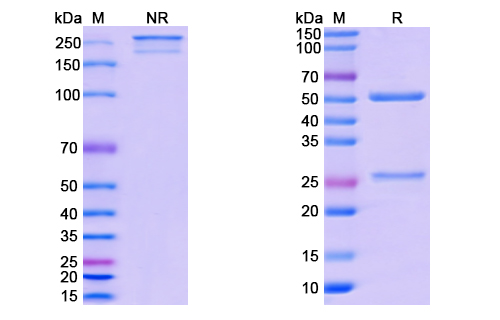
Zatuximab Biosimilar is a type of monoclonal antibody, meaning it is made up of identical immune cells that have been cloned from a single parent cell. It is a biosimilar of cetuximab, a well-known anti- cancer drug that targets the epidermal growth factor receptor (EGFR). Zatuximab Biosimilar has a similar structure to cetuximab, with a human IgG1 constant region and a murine variable region. This structure allows it to bind specifically to the EGFR, inhibiting its activity and preventing cancer cell growth.
Activity of Zatuximab Biosimilar
The main activity of Zatuximab Biosimilar is its ability to target and block the activity of the EGFR. The EGFR is a cell surface receptor that is overexpressed in many types of cancer, including colorectal, lung, and head and neck cancers. By binding to the EGFR, Zatuximab Biosimilar prevents the receptor from activating signaling pathways that promote cancer cell growth and survival. This results in the inhibition of tumor growth and, in some cases, even the death of cancer cells.
In addition to its direct anti-
cancer activity, Zatuximab Biosimilar also has immunomodulatory effects. It has been shown to increase the activity of natural killer (NK) cells, which are important immune cells that can directly kill cancer cells. This further enhances the anti- cancer effects of Zatuximab Biosimilar and makes it a promising candidate for combination therapies.
Applications of Zatuximab Biosimilar
Zatuximab Biosimilar is currently being studied for its potential use in the treatment of various types of cancer. It has shown promising results in clinical trials for colorectal, lung, and head and neck cancers. In these trials, Zatuximab Biosimilar has been used both as a single agent and in combination with other anti- cancer drugs.
One of the potential applications of Zatuximab Biosimilar is in the treatment of colorectal cancer. In a phase II clinical trial, Zatuximab Biosimilar showed significant anti-tumor activity in patients with metastatic colorectal cancer who had previously failed standard chemotherapy. It was also well-tolerated, with manageable side effects. This suggests that Zatuximab Biosimilar could be a viable treatment option for patients with advanced colorectal cancer.
Zatuximab Biosimilar is also being studied for its potential use in combination with other anti- cancer drugs. In a phase I/II clinical trial, Zatuximab Biosimilar was combined with irinotecan, a chemotherapy drug commonly used in the treatment of colorectal cancer. The combination showed promising results, with a disease control rate of 83% and a manageable safety profile. This suggests that Zatuximab Biosimilar could be a valuable addition to standard chemotherapy regimens for colorectal cancer.
Conclusion
Zatuximab Biosimilar, also known as Anti-HER1 mAb, is a promising monoclonal antibody with potential applications in the treatment of various types of cancer. Its structure and activity make it a potent inhibitor of the EGFR, a key driver of cancer growth. It has shown promising results in clinical trials and is being studied for its potential use as a single agent and in combination with other anti- cancer drugs. With further research and development, Zatuximab Biosimilar could become an important tool in the fight against cancer.


There are no reviews yet.