Introduction
Zimberelimab Biosimilar, also known as Anti-PDCD1 mAb, is a novel antibody-based therapeutic agent that is being developed as a biosimilar to the well-established drug, Pembrolizumab. This biosimilar is designed to target the programmed cell death 1 (PD-1) receptor, which plays a crucial role in regulating the immune response and has been identified as a therapeutic target in various types of cancer. In this article, we will explore the structure, activity, and potential applications of Zimberelimab Biosimilar in the field of cancer treatment.
Structure of Zimberelimab Biosimilar
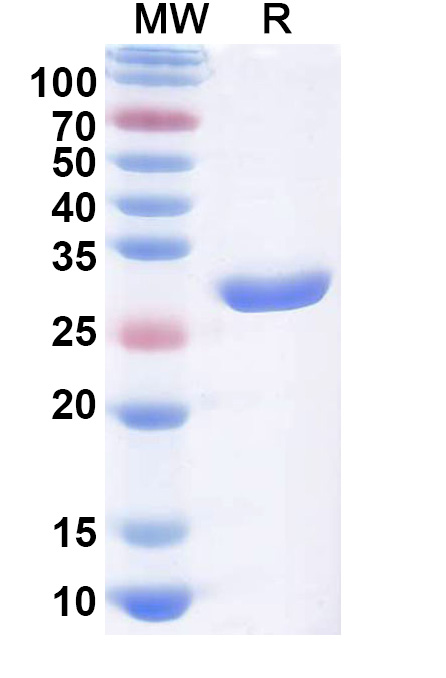
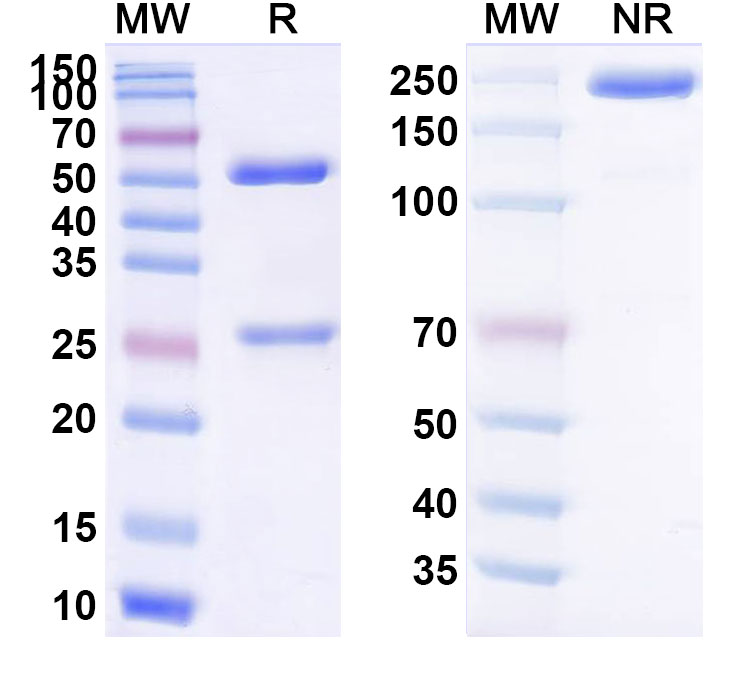
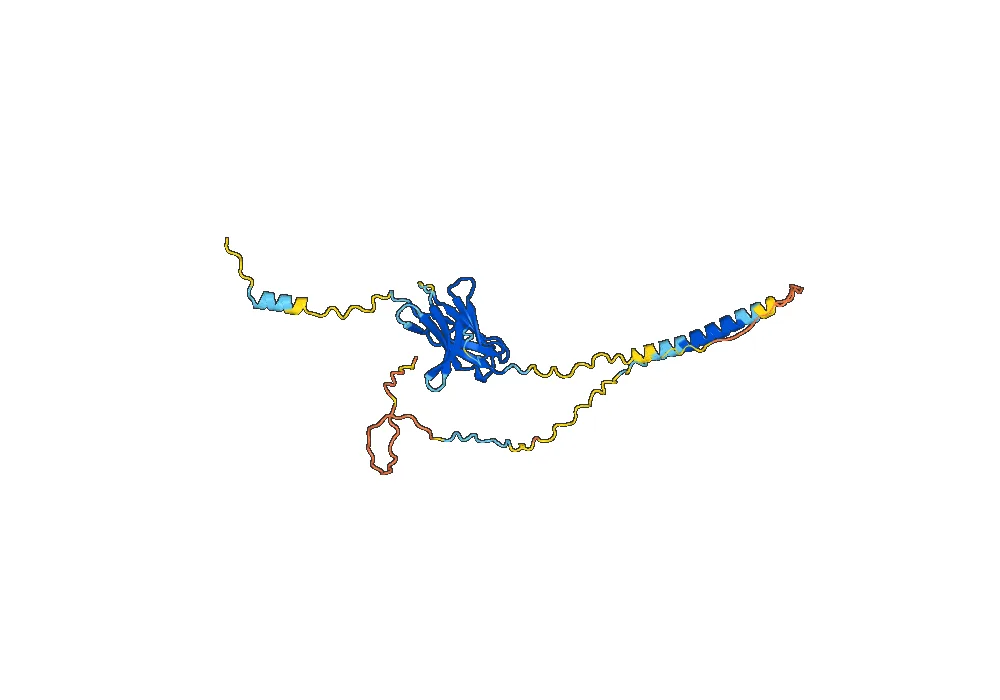
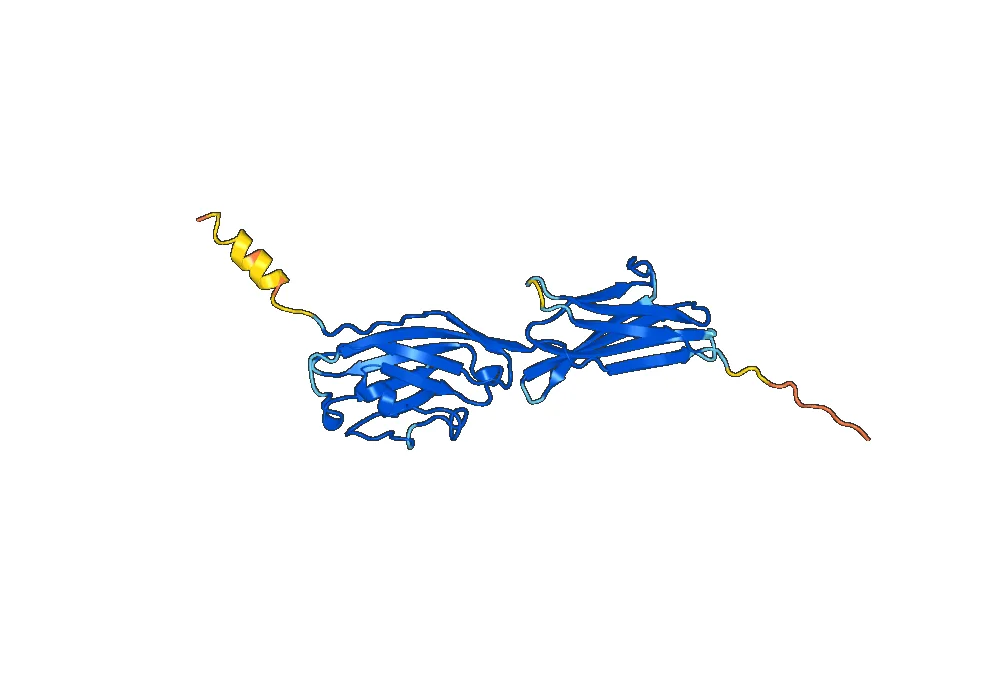
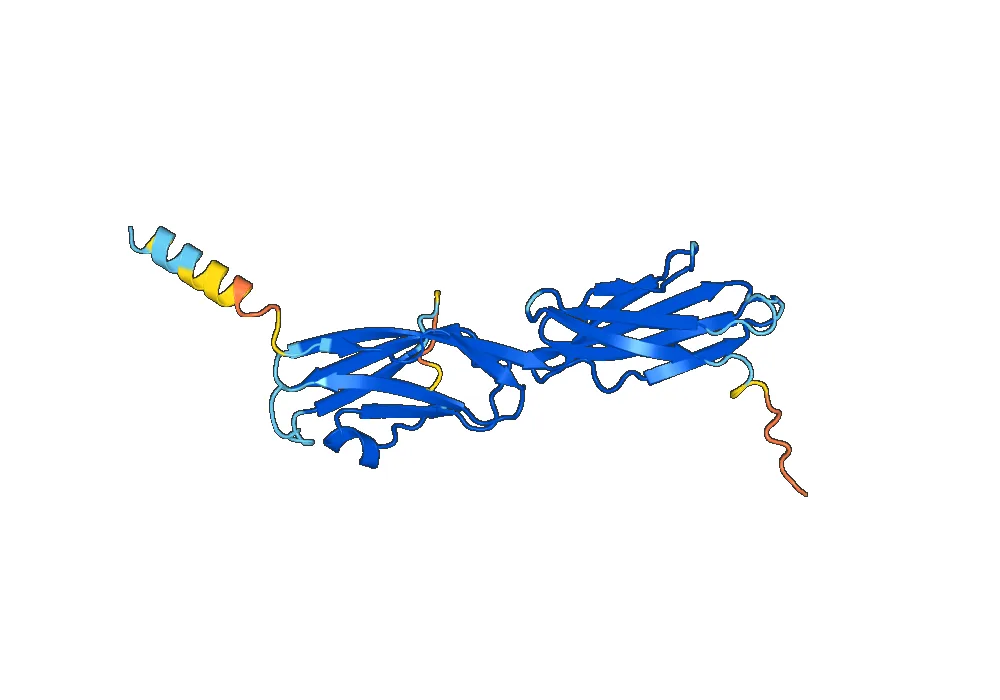
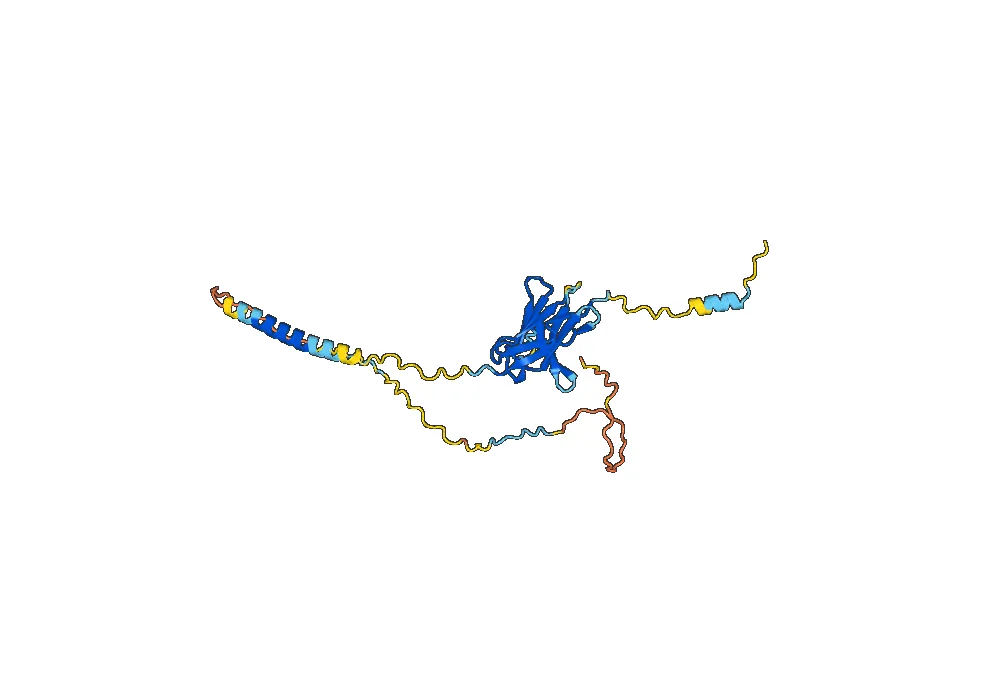
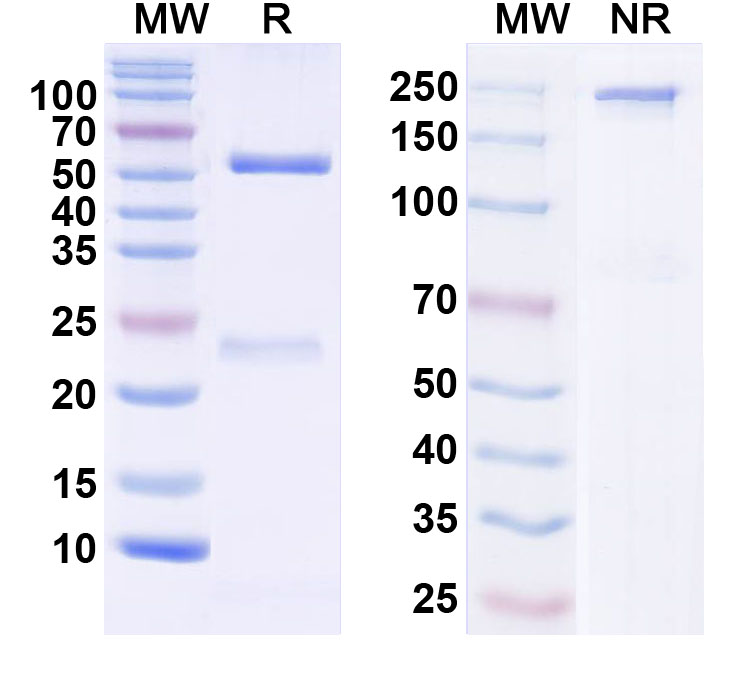
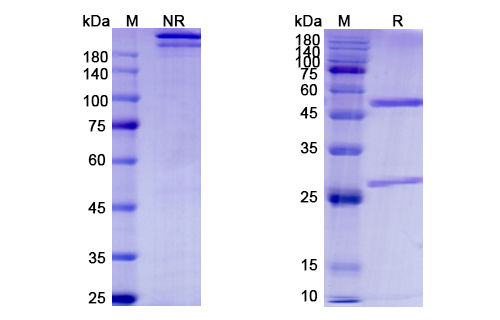
Zimberelimab Biosimilar is a monoclonal antibody (mAb) that is produced using recombinant DNA technology. It is composed of two heavy chains and two light chains, each with a unique amino acid sequence. The heavy chains are linked together by disulfide bonds, while the light chains are connected to the heavy chains via disulfide bonds and non-covalent interactions. The overall structure of Zimberelimab Biosimilar is similar to that of Pembrolizumab, with minor differences in the amino acid sequence that do not affect its binding affinity to the PD-1 receptor.
Activity of Zimberelimab Biosimilar
The primary activity of Zimberelimab Biosimilar is to block the PD-1 receptor and prevent its interaction with its ligands, PD-L1 and PD-L2. This binding inhibits the negative regulatory signals that are normally transmitted through the PD-1 receptor, thereby activating the immune response against cancer cells. In addition, Zimberelimab Biosimilar also promotes the activation and proliferation of T cells, which are important players in the immune response against cancer.
The efficacy of Zimberelimab Biosimilar has been demonstrated in preclinical studies, where it showed similar or even superior activity compared to Pembrolizumab. In a mouse model of melanoma, treatment with Zimberelimab Biosimilar resulted in significant tumor regression and improved survival rates. These results suggest that Zimberelimab Biosimilar has the potential to be a highly effective therapeutic agent for the treatment of cancer.
Applications of Zimberelimab Biosimilar
Zimberelimab Biosimilar is being developed as a research-grade antibody, which means that it is primarily intended for use in preclinical and clinical studies. However, once it receives regulatory approval, it has the potential to be used in the treatment of various types of cancer. The most promising applications of Zimberelimab Biosimilar include:
- Melanoma: As mentioned earlier, Zimberelimab Biosimilar has shown promising results in preclinical studies of melanoma. It is expected to be particularly effective in combination with other immunotherapies, such as checkpoint inhibitors and adoptive cell transfer.
- Lung cancer: The PD-1 pathway has been identified as a key driver of lung cancer, and Zimberelimab Biosimilar has shown promising results in early clinical trials for this indication. It is expected to be a valuable addition to the current treatment options for lung cancer.
- Other solid tumors: Zimberelimab Biosimilar is also being evaluated in clinical trials for the treatment of other solid tumors, such as head and neck cancer, bladder cancer, and gastric cancer. These studies are still ongoing, but the preliminary results are encouraging.
In addition to its potential as a monotherapy, Zimberelimab Biosimilar is also being studied in combination with other therapies, such as chemotherapy and radiotherapy. This approach is expected to enhance its efficacy and improve patient outcomes.
Conclusion
Zimberelimab Biosimilar is a promising new antibody-based therapeutic agent that is being developed as a biosimilar to Pemb


There are no reviews yet.