Introduction
Anzurstobart Biosimilar – Anti-BIT mAb – Research Grade is a novel therapeutic antibody that has been developed for the treatment of various diseases. This biosimilar is a monoclonal antibody (mAb) that specifically targets the protein BIT (B-cell immunoglobulin-like transcript) and has shown promising results in pre-clinical studies. In this article, we will discuss the structure, activity, and potential applications of Anzurstobart Biosimilar – Anti-BIT mAb – Research Grade.
Structure of Anzurstobart Biosimilar – Anti-BIT mAb
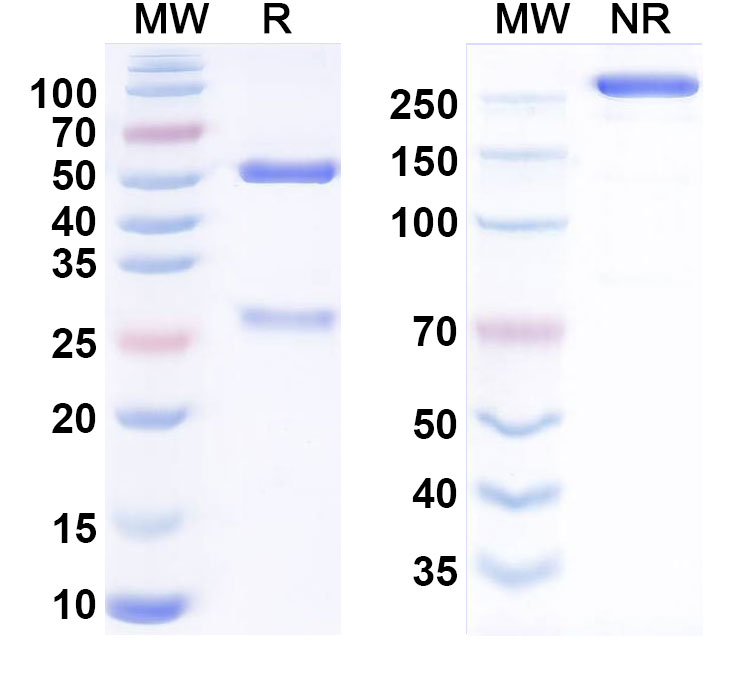
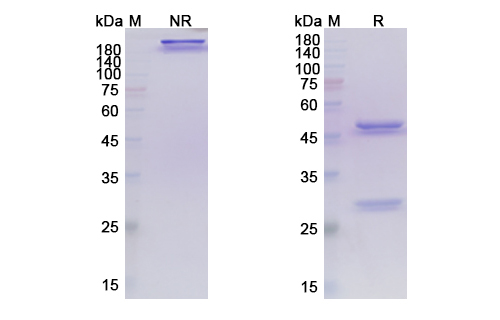
Anzurstobart Biosimilar – Anti-BIT mAb is a recombinant antibody that is produced using advanced genetic engineering techniques. It is a fully humanized IgG1 antibody, meaning that its structure closely resembles that of natural human antibodies. The antibody consists of two heavy chains and two light chains, which are connected by disulfide bonds. The variable regions of the antibody, also known as the antigen-binding sites, are responsible for binding to the target protein BIT. The constant regions of the antibody, on the other hand, play a crucial role in mediating effector functions.
Activity of Anzurstobart Biosimilar – Anti-BIT mAb
The main mechanism of action of Anzurstobart Biosimilar – Anti-BIT mAb is through its specific binding to the protein BIT. BIT is a transmembrane protein that is expressed on the surface of B-cells, T-cells, and natural killer (NK) cells. It has been found to play a critical role in the regulation of immune responses. By binding to BIT, Anzurstobart Biosimilar – Anti-BIT mAb inhibits its function and leads to the suppression of B-cell and T-cell activation. This, in turn, can have a therapeutic effect in diseases where excessive immune responses are involved, such as autoimmune disorders and certain types of cancer.
In addition to its inhibitory effect on BIT, Anzurstobart Biosimilar – Anti-BIT mAb also has effector functions that can contribute to its therapeutic activity. These include antibody-dependent cellular cytotoxicity (ADCC) and complement-dependent cytotoxicity (CDC). Through these mechanisms, the antibody can induce the destruction of target cells, such as cancer cells, by recruiting immune cells and activating the complement system.
Potential Applications of Anzurstobart Biosimilar – Anti-BIT mAb
Given its unique mechanism of action, Anzurstobart Biosimilar – Anti-BIT mAb has the potential to be used in the treatment of various diseases. Some of the potential applications of this biosimilar include:
Autoimmune Disorders BIT has been found to be involved in the development and progression of several autoimmune disorders, such as rheumatoid arthritis and multiple sclerosis. By inhibiting BIT, Anzurstobart Biosimilar – Anti-BIT mAb can modulate the immune response and potentially alleviate symptoms of these diseases.
Cancer
BIT is also overexpressed in certain types of cancer, making it a potential therapeutic target. By targeting BIT, Anzurstobart Biosimilar – Anti-BIT mAb can inhibit the growth and proliferation of cancer cells and induce their destruction through effector functions. This biosimilar has shown promising results in pre-clinical studies for the treatment of lymphoma and leukemia.
Inflammatory Disorders
Inflammation is a crucial component of many diseases, and BIT has been found to play a role in regulating inflammation. Anzurstobart Biosimilar – Anti-BIT mAb can potentially modulate the immune response and reduce inflammation in diseases such as asthma and inflammatory bowel disease.
Infectious Diseases
BIT has been shown to be involved in the immune response against certain infections. By targeting BIT, Anz

There are no reviews yet.