Introduction to Belimumab Biosimilar – Anti-TNFSF13B, CD257 mAb
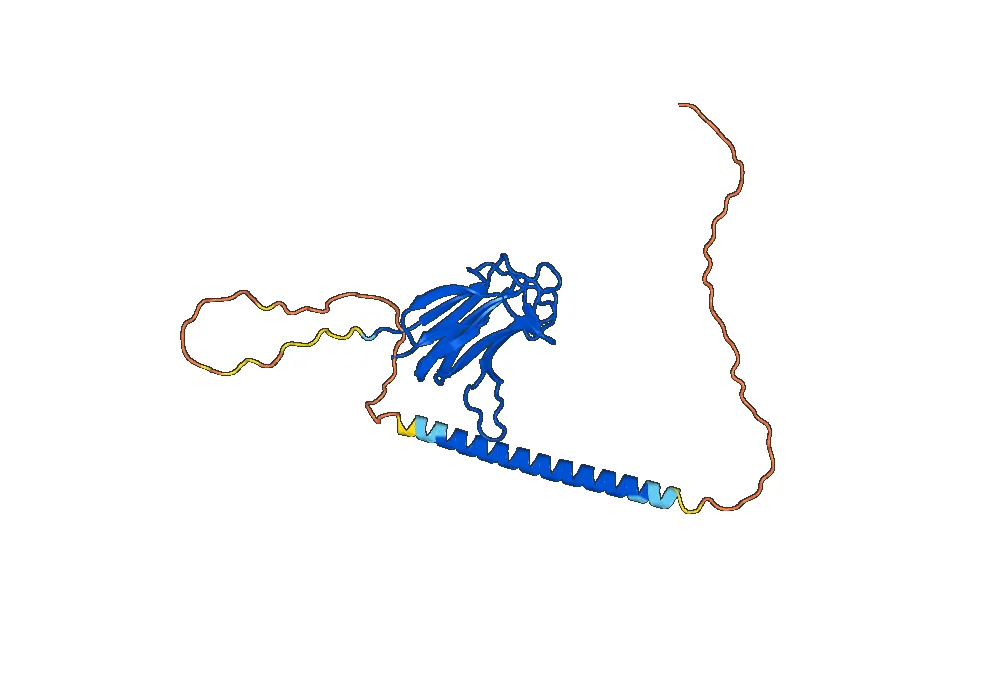
Belimumab Biosimilar – Anti-TNFSF13B, CD257 mAb is a promising therapeutic antibody that targets the TNFSF13B protein, also known as B-cell activating factor (BAFF). This biosimilar is designed to mimic the activity of the existing drug, Belimumab, which is used to treat autoimmune diseases such as systemic lupus erythematosus (SLE). In this article, we will explore the structure, activity, and potential applications of Belimumab Biosimilar – Anti-TNFSF13B, CD257 mAb.
Structure of Belimumab Biosimilar – Anti-TNFSF13B, CD257 mAb
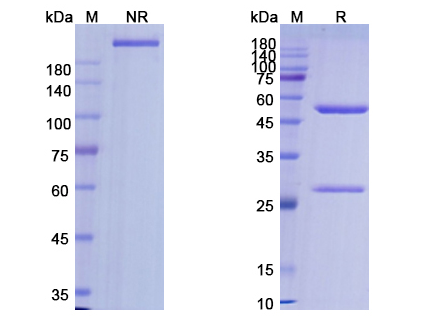
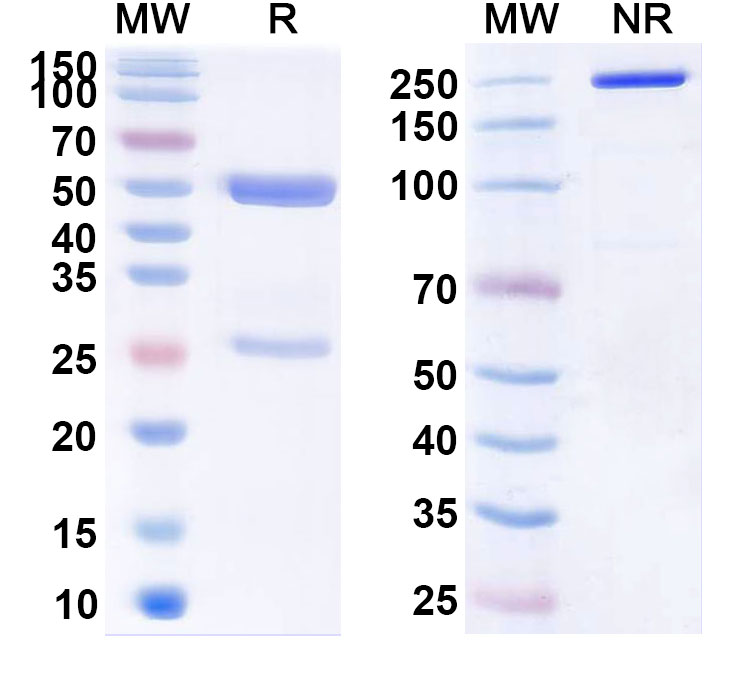
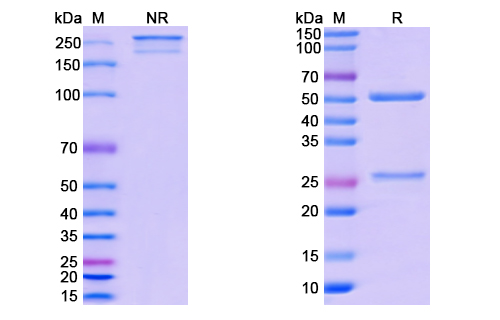
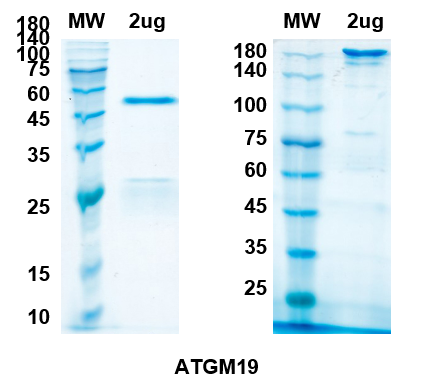
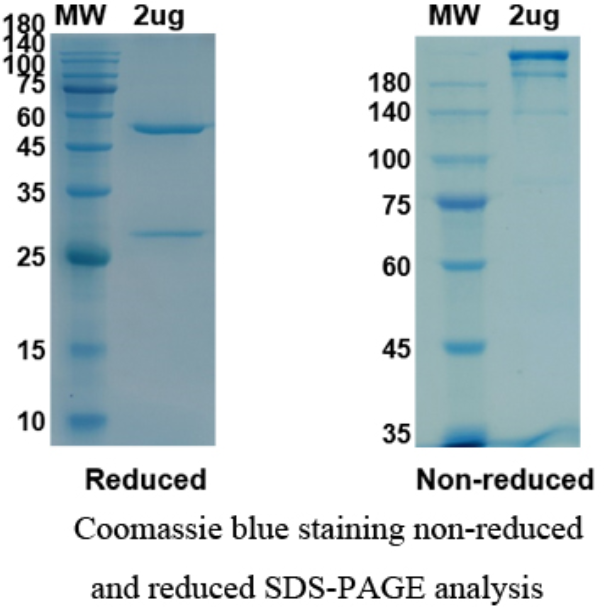
Belimumab Biosimilar – Anti-TNFSF13B, CD257 mAb is a monoclonal antibody (mAb) that specifically binds to TNFSF13B, a protein that plays a critical role in the activation and survival of B-cells. The antibody is composed of two identical heavy chains and two identical light chains, each containing a variable region and a constant region. The variable region is responsible for binding to TNFSF13B, while the constant region determines the antibody’s effector functions.
Mechanism of Action
Belimumab Biosimilar – Anti-TNFSF13B, CD257 mAb works by blocking the interaction of TNFSF13B with its receptor, B-cell maturation antigen (BCMA). This prevents the activation and survival of B-cells, which are responsible for producing autoantibodies in autoimmune diseases. By targeting TNFSF13B, the antibody also indirectly affects other immune cells, such as T-cells and dendritic cells, which play a role in the pathogenesis of autoimmune diseases.
Title: Potential Applications
Belimumab Biosimilar – Anti-TNFSF13B, CD257 mAb has the potential to be used in the treatment of various autoimmune diseases, including SLE, rheumatoid arthritis, and Sjögren’s syndrome. These diseases are characterized by an overactive immune system, and targeting TNFSF13B with this biosimilar can help regulate the immune response and reduce disease activity.
Title: Research Grade Antibody
Belimumab Biosimilar – Anti-TNFSF13B, CD257 mAb is currently in the research and development phase, and is not yet approved for clinical use. However, it is being studied extensively in preclinical and clinical trials to evaluate its safety and efficacy. This biosimilar is produced using advanced manufacturing techniques and undergoes rigorous quality control measures to ensure its purity and potency.
Advantages of Belimumab Biosimilar – Anti-TNFSF13B, CD257 mAb
One of the major advantages of Belimumab Biosimilar – Anti-TNFSF13B, CD257 mAb is its potential for cost savings. Biosimilars are less expensive to produce compared to their reference drugs, making them more accessible to patients. Additionally, this biosimilar has the potential to be as effective as the reference drug, providing a more affordable treatment option for patients with autoimmune diseases.
Conclusion
Belimumab Biosimilar – Anti-TNFSF13B, CD257 mAb is a promising therapeutic antibody that targets TNFSF13B, a key protein involved in the pathogenesis of autoimmune diseases. Its mechanism of action and potential applications make it a valuable addition to the current treatment options for these diseases. As research and development continue, this biosimilar has the potential to provide a more affordable and effective treatment option for patients in need.


There are no reviews yet.