Introduction
Botensilimab Biosimilar, also known as Anti-CTLA4 mAb, is a monoclonal antibody that targets the cytotoxic T-lymphocyte-associated protein 4 (CTLA-4). It is a research grade therapeutic antibody that has shown promising results in pre-clinical studies and is currently being evaluated in clinical trials for its potential use in the treatment of various diseases.
Structure of Botensilimab Biosimilar
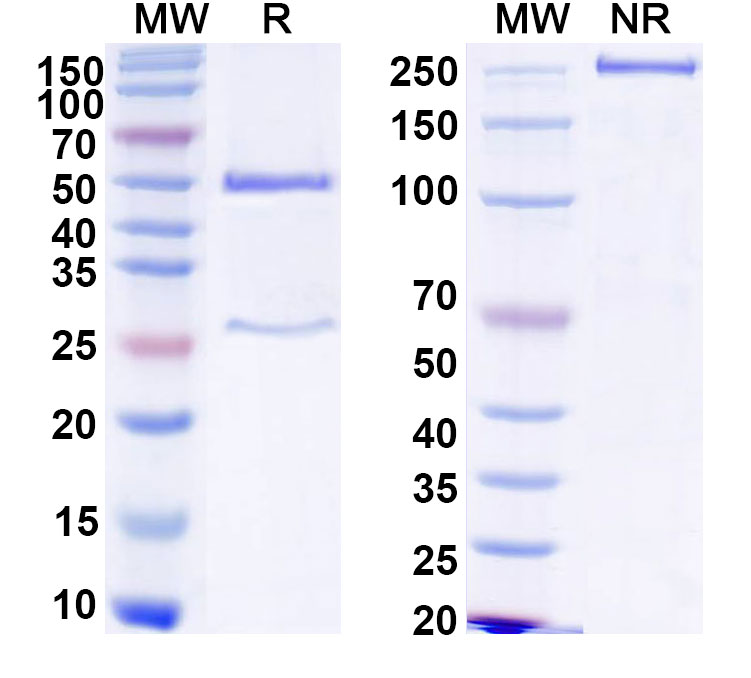
Botensilimab Biosimilar is a humanized IgG1 monoclonal antibody, meaning it is derived from both human and mouse sources. It is composed of two heavy chains and two light chains, each containing a variable region and a constant region. The variable region of the antibody is responsible for binding to its target, CTLA-4, while the constant region plays a role in effector functions such as antibody-dependent cellular cytotoxicity (ADCC) and complement-dependent cytotoxicity (CDC).
Mechanism of Action
Botensilimab Biosimilar works by binding to CTLA-4, a protein found on the surface of T-cells. CTLA-4 is a negative regulator of T-cell activation, meaning it inhibits the activation and proliferation of T-cells. By binding to CTLA-4, Botensilimab Biosimilar blocks its inhibitory function, leading to increased T-cell activation and proliferation. This, in turn, enhances the immune response against cancer cells or other disease targets.
Application of Botensilimab Biosimilar
The primary application of Botensilimab Biosimilar is in the treatment of cancer. It is being evaluated in clinical trials for its potential use in various types of cancer, including melanoma, non-small cell lung cancer, and renal cell carcinoma. By targeting CTLA-4, Botensilimab Biosimilar enhances the immune response against cancer cells, leading to their destruction.
In addition to cancer, Botensilimab Biosimilar also has potential applications in autoimmune diseases. CTLA-4 is involved in the regulation of the immune response, and its dysfunction has been linked to autoimmune disorders such as rheumatoid arthritis and multiple sclerosis. By blocking CTLA-4, Botensilimab Biosimilar could potentially modulate the immune response and provide therapeutic benefits in these diseases.
Research Grade Antibody
Botensilimab Biosimilar is currently being developed as a research grade antibody, meaning it is primarily intended for use in laboratory research and not for clinical use. However, the data gathered from pre-clinical and clinical studies will provide valuable insights into the safety and efficacy of the antibody, which will be crucial for its potential future use as a therapeutic agent.
Conclusion
In summary, Botensilimab Biosimilar is a promising monoclonal antibody that targets CTLA-4 and has potential applications in the treatment of cancer and autoimmune diseases. Its structure and mechanism of action make it a valuable tool for researchers in understanding the role of CTLA-4 in various diseases. As clinical trials continue to evaluate its safety and efficacy, Botensilimab Biosimilar may prove to be a valuable therapeutic option for patients in the future.

There are no reviews yet.