Introduction to Clenoliximab Biosimilar
Clenoliximab Biosimilar is a monoclonal antibody (mAb) designed to target the CD4 protein, a cell surface receptor found on T cells. It is a biosimilar version of the original drug, Clenoliximab, which was developed by Novartis and approved for the treatment of psoriasis and psoriatic arthritis. The biosimilar version is currently in the research stage and has shown promising results in preclinical studies.
Structure of Clenoliximab Biosimilar
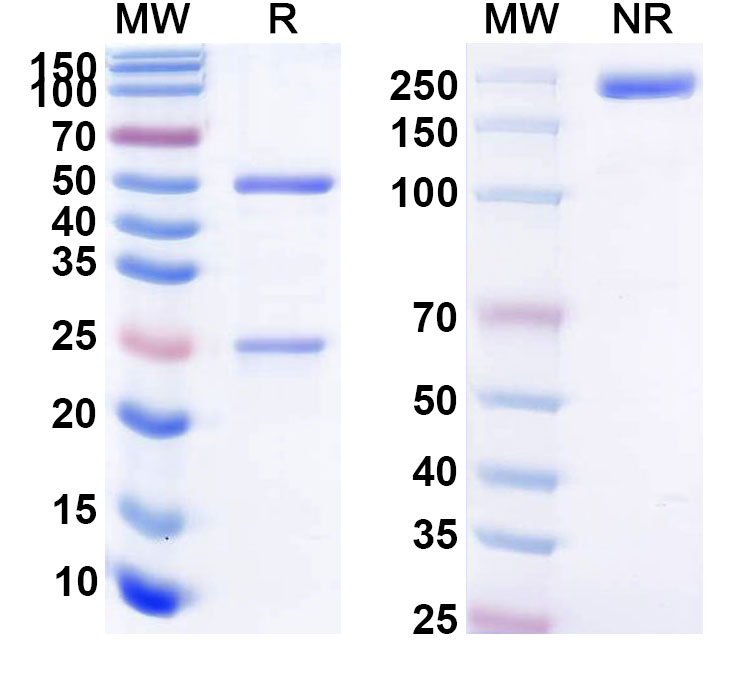
Clenoliximab Biosimilar is a chimeric antibody, meaning it is composed of both human and mouse components. It contains a human IgG1 heavy chain and a mouse kappa light chain. The antibody has a molecular weight of approximately 150 kDa and is composed of two identical heavy chains and two identical light chains.
The variable regions of the antibody, responsible for binding to the CD4 protein, are derived from the mouse antibody. This allows for a high affinity and specificity for the target protein. The constant regions, on the other hand, are derived from human antibodies, which reduces the risk of immune reactions and increases the half-life of the antibody in the body.
Mechanism of Action
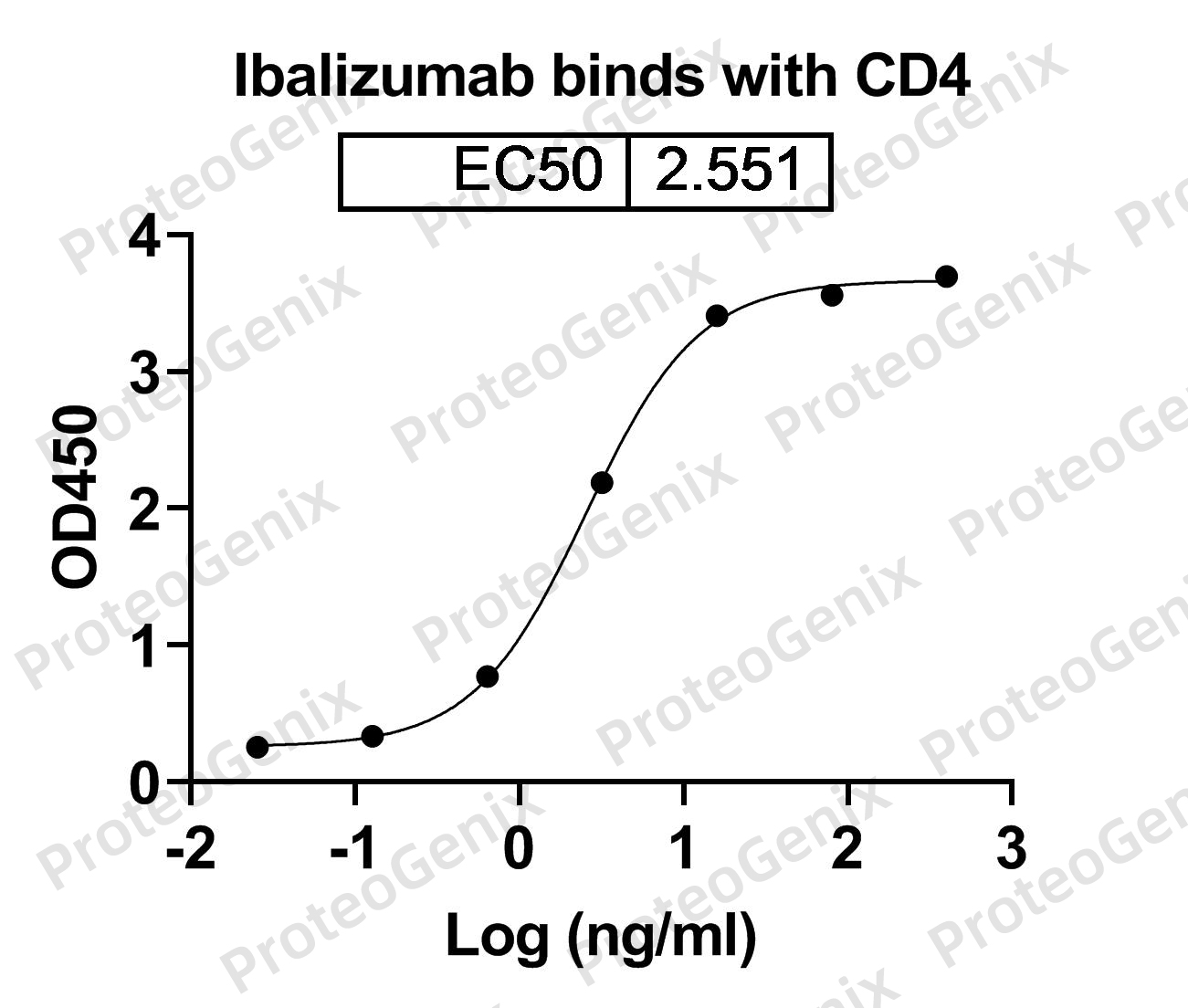
Clenoliximab Biosimilar works by binding to the CD4 protein on the surface of T cells. This binding prevents the interaction of CD4 with its ligands, such as MHC class II molecules, which are important for T cell activation. By blocking this interaction, the antibody inhibits the activation and proliferation of T cells, which play a crucial role in the pathogenesis of autoimmune diseases.
In addition, Clenoliximab Biosimilar also has the ability to induce antibody-dependent cell-mediated cytotoxicity (ADCC) and complement-dependent cytotoxicity (CDC). This means that the antibody can recruit immune cells and complement proteins to target and destroy CD4-expressing cells, further reducing the number of activated T cells in the body.
Applications of Clenoliximab Biosimilar
The main therapeutic target for Clenoliximab Biosimilar is autoimmune diseases, particularly those involving CD4+ T cells, such as psoriasis, psoriatic arthritis, and rheumatoid arthritis. By targeting CD4, the antibody can suppress the overactive immune response that leads to the symptoms of these diseases.
Moreover, Clenoliximab Biosimilar has also shown potential in the treatment of certain types of cancer, as CD4 is overexpressed on the surface of some cancer cells. By targeting CD4, the antibody can inhibit the growth and survival of these cancer cells and enhance the effectiveness of other cancer treatments.
Conclusion
In summary, Clenoliximab Biosimilar is a promising monoclonal antibody that specifically targets the CD4 protein. Its unique structure and mechanism of action make it a potential treatment option for various autoimmune diseases and certain types of cancer. Further research and clinical trials are needed to fully understand the potential of this biosimilar and bring it to the market as a safe and effective therapeutic option.



There are no reviews yet.