Introduction
Emerfetamab Biosimilar, also known as Anti-CD33,CD3E mAb, is a monoclonal antibody that has been developed as a biosimilar to the therapeutic antibody gemtuzumab ozogamicin. It has been designed to target the CD33 antigen, which is found on the surface of leukemic cells, and the CD3E antigen, which is present on T-cells. This article will provide a scientific description of the structure, activity, and application of Emerfetamab Biosimilar.
Structure
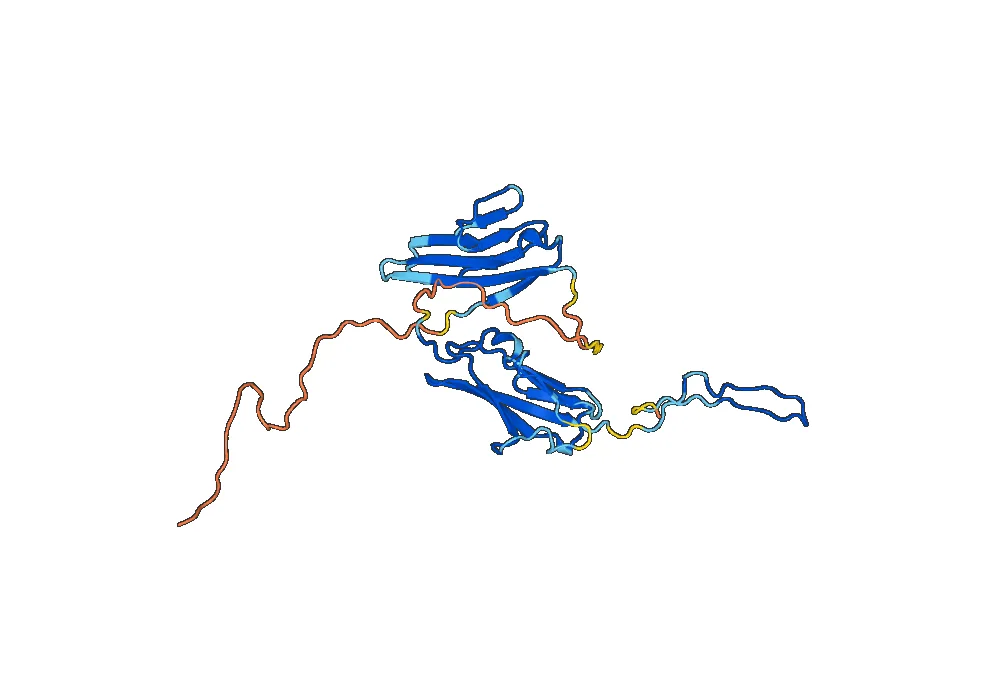
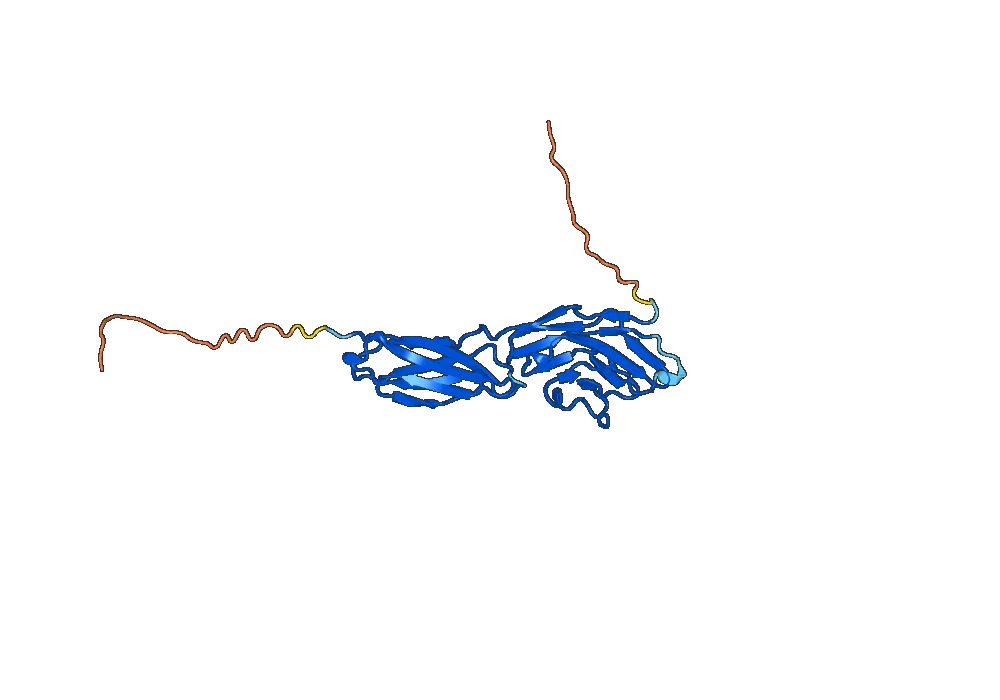
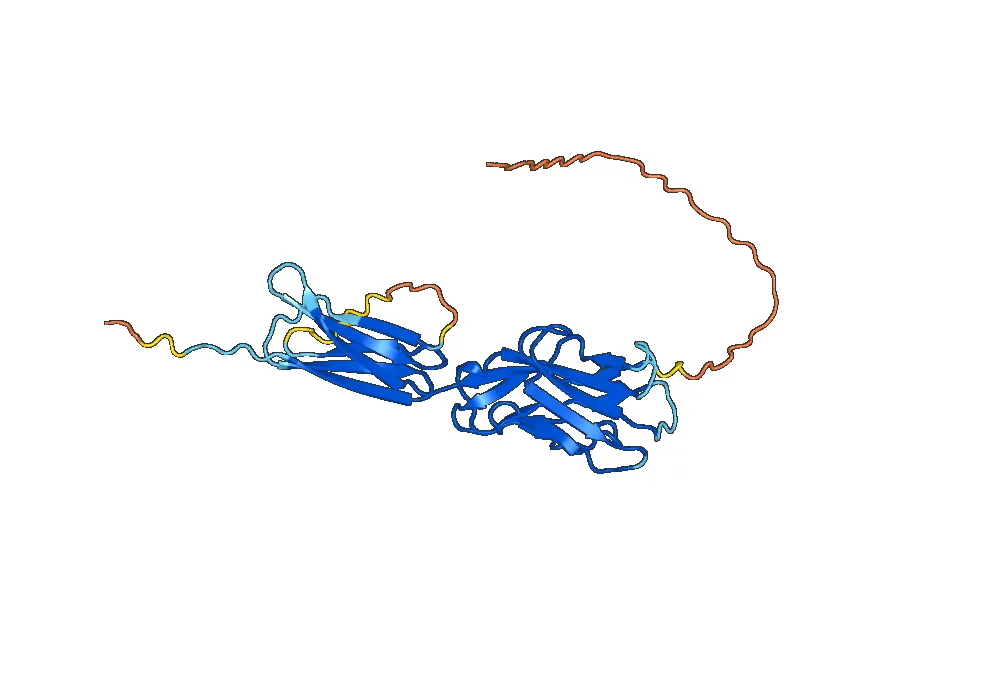
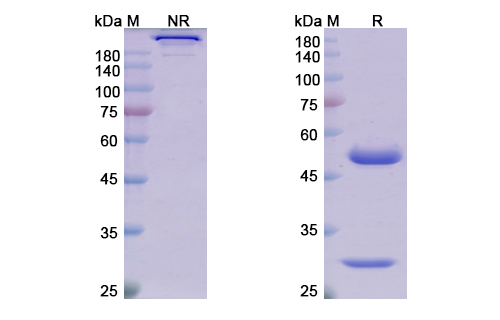
Emerfetamab Biosimilar is a chimeric antibody, meaning it is composed of both human and non-human components. It is made up of two heavy chains and two light chains, which are connected by disulfide bonds. The heavy chains consist of constant regions and variable regions, while the light chains only have constant regions. The variable regions are responsible for binding to the CD33 and CD3E antigens.
Activity
Emerfetamab Biosimilar has a dual mechanism of action. It binds to both CD33 and CD3E antigens, leading to the activation of T-cells and subsequent destruction of leukemic cells. The binding of the antibody to CD33 also triggers antibody-dependent cell-mediated cytotoxicity (ADCC), where immune cells such as natural killer cells and macrophages are recruited to attack the target cells. This results in the elimination of leukemic cells while sparing normal cells.
Application
Emerfetamab Biosimilar has been developed for use as a research grade antibody. It can be used in various in vitro and in vivo studies to investigate the role of CD33 and CD3E in leukemic cells and T-cell activation, respectively. The antibody can also be used in preclinical studies to assess its efficacy and safety in treating leukemia.
In addition, Emerfetamab Biosimilar has the potential to be used as a therapeutic antibody in the treatment of acute myeloid leukemia (AML). AML is a type of cancer that affects the blood and bone marrow, and CD33 is highly expressed on the surface of leukemic cells in AML patients. The binding of Emerfetamab Biosimilar to CD33 can potentially lead to the destruction of leukemic cells, making it a promising treatment option for AML.
Furthermore, Emerfetamab Biosimilar can also be used in combination with other therapies, such as chemotherapy and targeted therapies, to enhance their effectiveness. This is because the antibody targets a different pathway compared to these treatments, allowing for a synergistic effect in destroying leukemic cells.
Conclusion
In summary, Emerfetamab Biosimilar is a chimeric monoclonal antibody that targets both CD33 and CD3E antigens. Its dual mechanism of action, through T-cell activation and ADCC, makes it a promising research grade antibody for investigating the role of these antigens in leukemia. It also has the potential to be used as a therapeutic antibody in the treatment of AML, either alone or in combination with other therapies. Further studies and clinical trials are needed to fully assess the efficacy and safety of Emerfetamab Biosimilar in treating AML.
There are no reviews yet.