Introduction
Evunzekibart Biosimilar – Anti-CD137 mAb is a research-grade monoclonal antibody (mAb) that targets the CD137 receptor. This antibody is designed to mimic the activity of the endogenous CD137 ligand, which plays a crucial role in regulating immune responses. In this article, we will discuss the structure, activity, and potential applications of Evunzekibart Biosimilar – Anti-CD137 mAb.
Structure of Evunzekibart Biosimilar – Anti-CD137 mAb
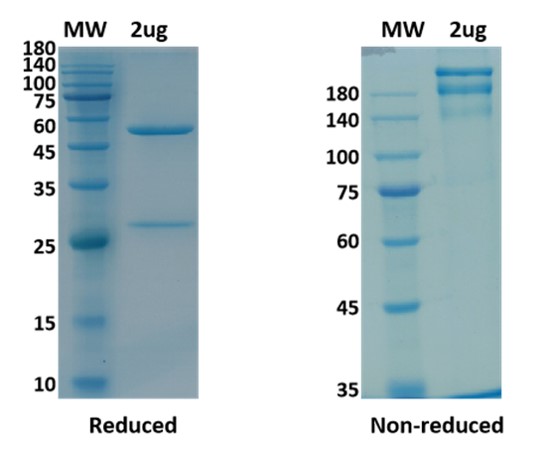
Evunzekibart Biosimilar – Anti-CD137 mAb is a fully humanized IgG1 monoclonal antibody, meaning it is derived from human cells and has a structure similar to that of natural human antibodies. It consists of two heavy chains and two light chains, each with a variable region that recognizes and binds to the CD137 receptor. The constant region of the antibody is responsible for mediating effector functions, such as antibody-dependent cellular cytotoxicity (ADCC) and complement-dependent cytotoxicity (CDC).
Activity of Evunzekibart Biosimilar – Anti-CD137 mAb
The CD137 receptor, also known as 4-1BB, is a member of the tumor necrosis factor (TNF) receptor superfamily. It is primarily expressed on activated T cells, natural killer (NK) cells, and dendritic cells. The binding of Evunzekibart Biosimilar – Anti-CD137 mAb to the CD137 receptor leads to the activation of downstream signaling pathways, including NF-κB and MAPK, which promote the survival and proliferation of T cells and NK cells. This results in enhanced immune responses, such as increased cytokine production and cytotoxic activity, which can help to eliminate cancer cells and infected cells.
Therapeutic Applications of Evunzekibart Biosimilar – Anti-CD137 mAb
The potent immunostimulatory activity of Evunzekibart Biosimilar – Anti-CD137 mAb makes it a promising candidate for cancer immunotherapy. It has been shown to enhance the anti-tumor effects of other cancer treatments, such as chemotherapy and radiotherapy. In preclinical studies, Evunzekibart Biosimilar – Anti-CD137 mAb has demonstrated significant anti-tumor activity in various cancer models, including melanoma, breast cancer, and lung cancer. It is currently being evaluated in clinical trials for the treatment of solid tumors and hematologic malignancies.
In addition to cancer, Evunzekibart Biosimilar – Anti-CD137 mAb may also have potential applications in the treatment of autoimmune diseases and infectious diseases. The CD137 receptor has been implicated in the regulation of autoimmune responses, and targeting this receptor with Evunzekibart Biosimilar – Anti-CD137 mAb may help to restore immune balance and alleviate autoimmune symptoms. Furthermore, the activation of T cells and NK cells by Evunzekibart Biosimilar – Anti-CD137 mAb may aid in the clearance of viral or bacterial infections.
Conclusion
In summary, Evunzekibart Biosimilar – Anti-CD137 mAb is a research-grade monoclonal antibody that targets the CD137 receptor. Its structure and activity make it a promising candidate for cancer immunotherapy, as well as potential applications in autoimmune and infectious diseases. Further research and clinical trials are needed to fully understand the potential of this antibody and its therapeutic benefits.


There are no reviews yet.