Introduction:
Lorigerlimab Biosimilar is a monoclonal antibody (mAb) that targets two important immune checkpoint proteins, CTLA4 and PD1. This biosimilar is a research grade version of the original Lorigerlimab antibody, which has shown promising results in clinical trials for the treatment of various cancers. In this article, we will explore the structure, activity, and potential applications of Lorigerlimab Biosimilar.
Structure of Lorigerlimab Biosimilar:
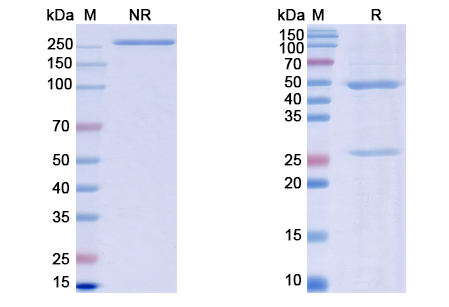
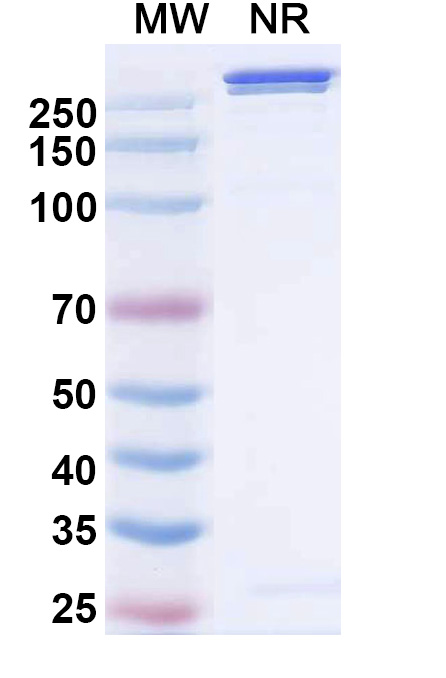
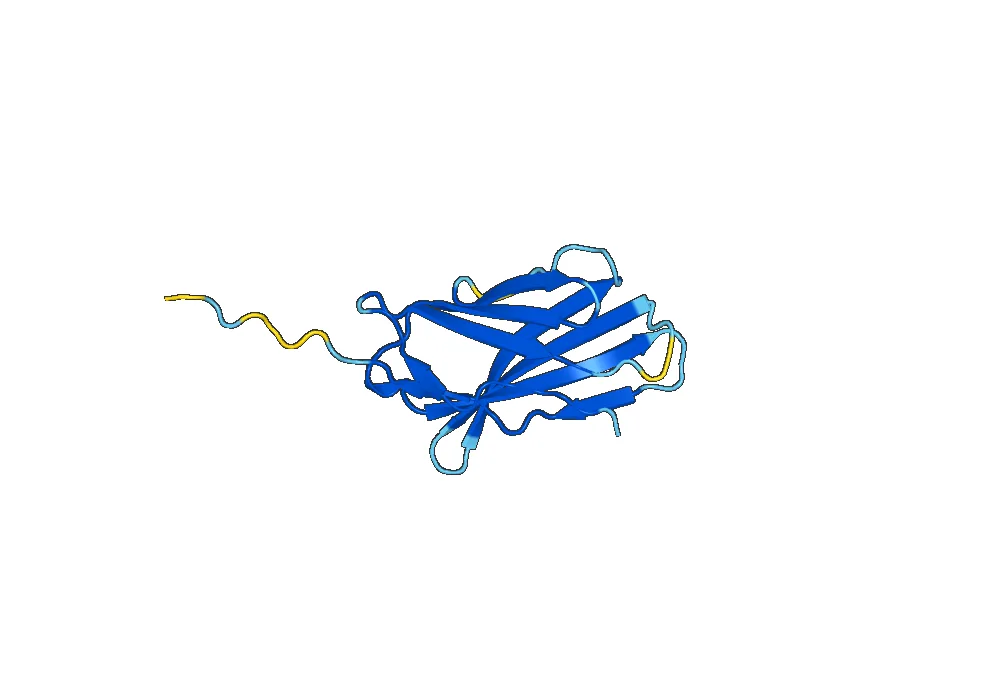
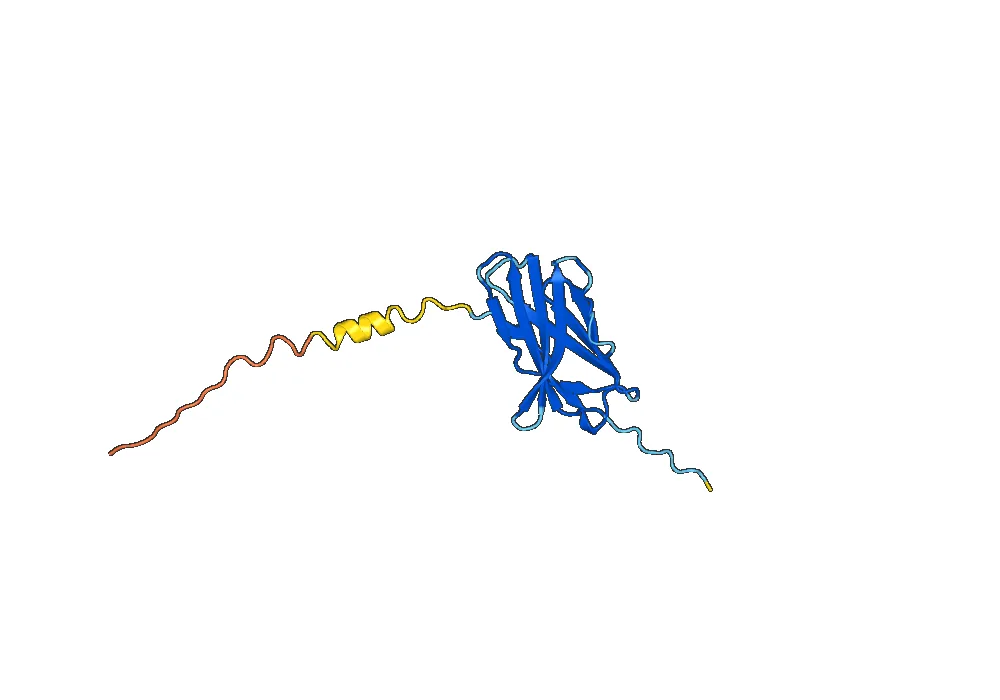
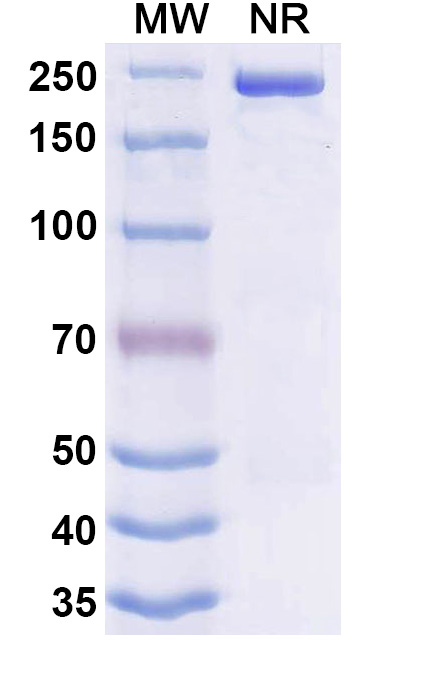
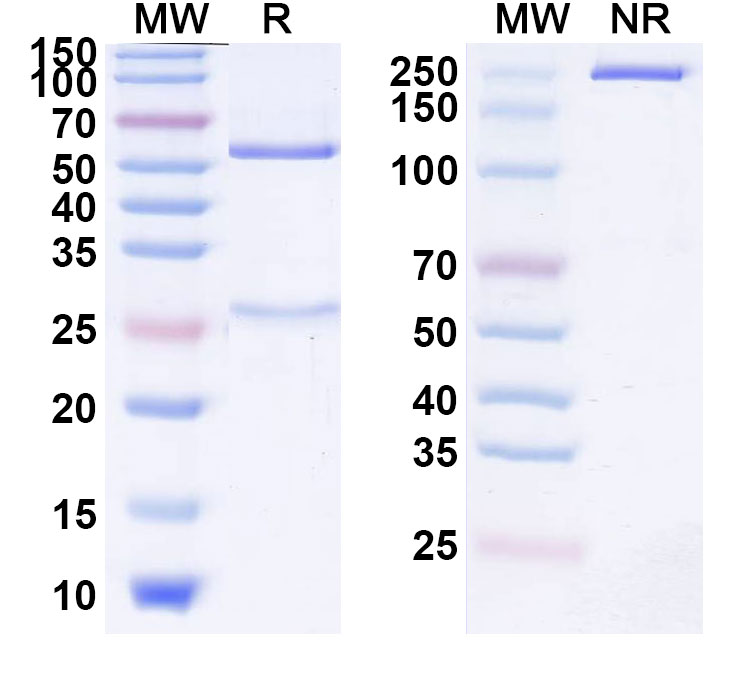
Lorigerlimab Biosimilar is a recombinant humanized IgG4 monoclonal antibody. It is composed of two heavy chains and two light chains, each with a molecular weight of approximately 50 kDa. The antibody has a typical Y-shaped structure, with two antigen-binding Fab regions and one Fc region responsible for effector functions.
Activity of Lorigerlimab Biosimilar:
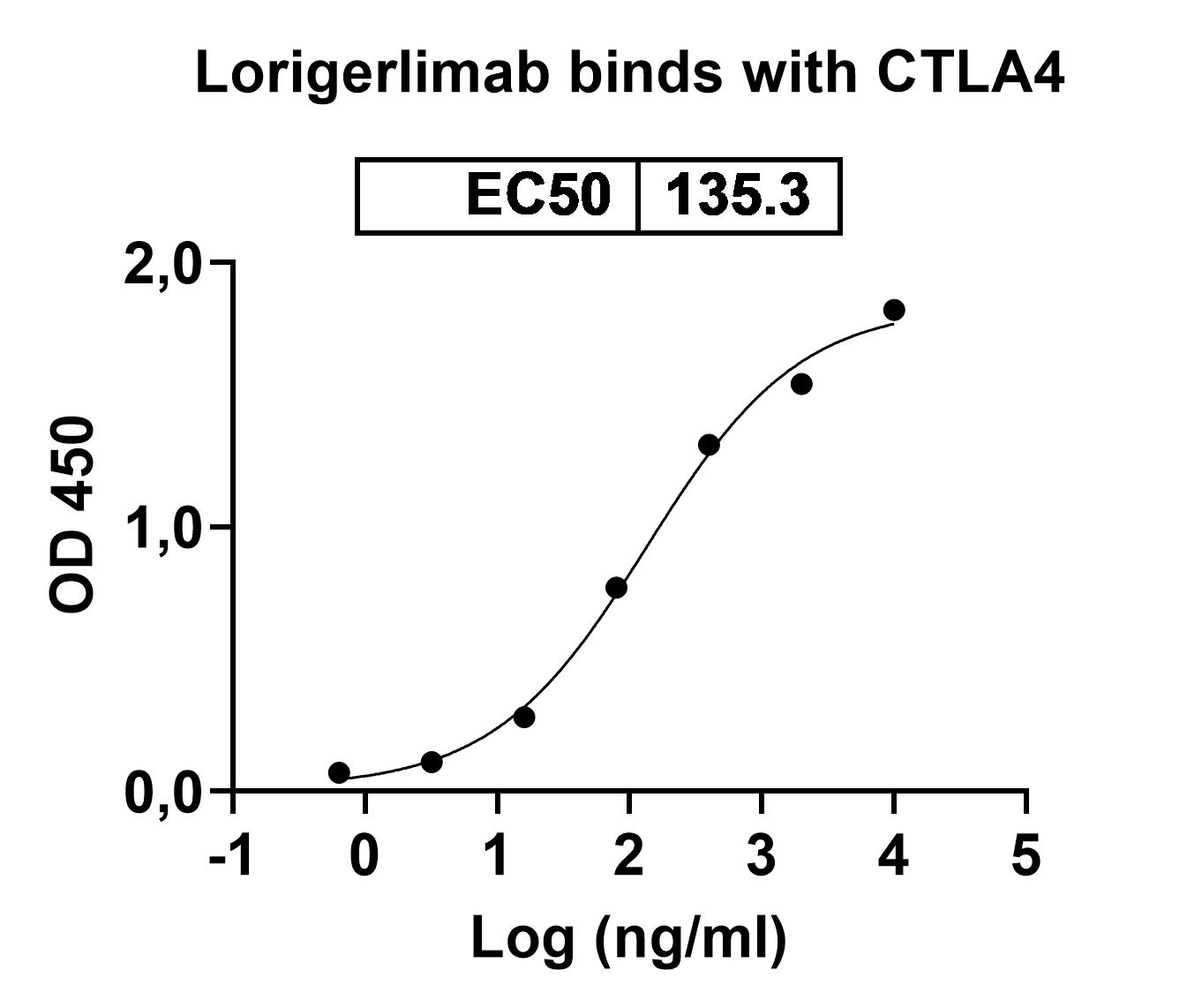
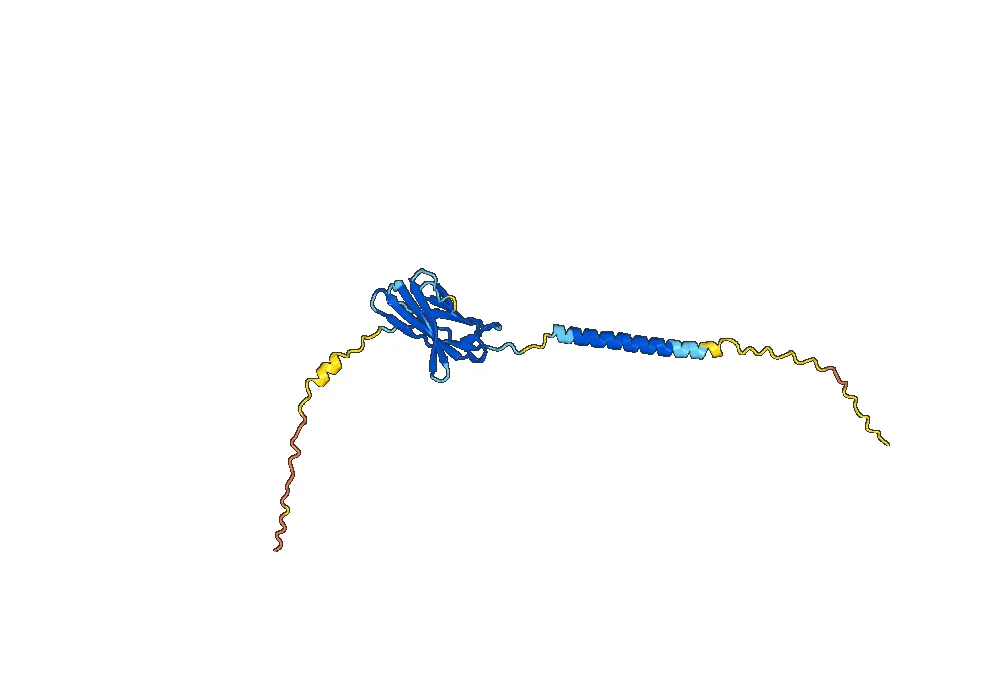
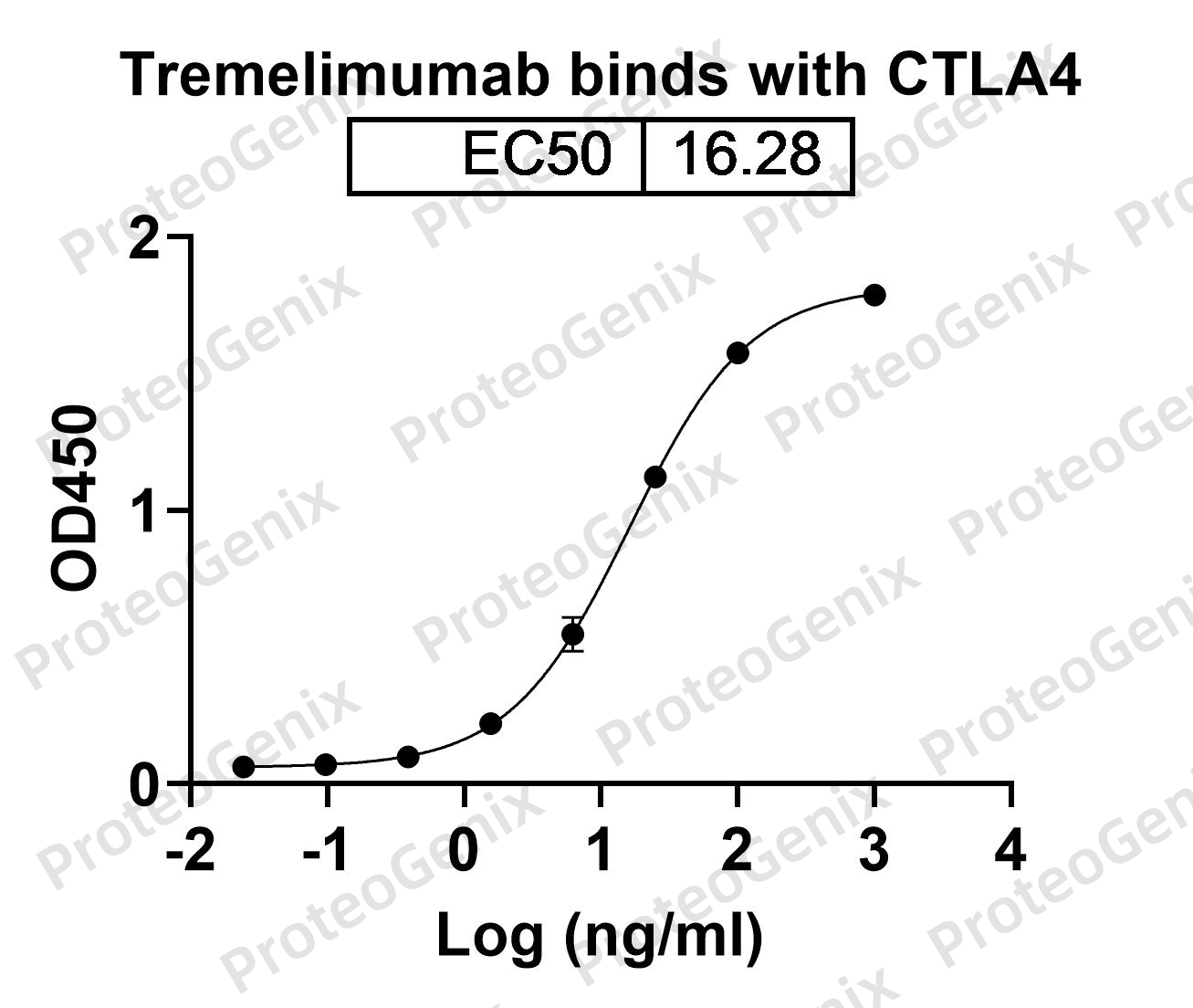
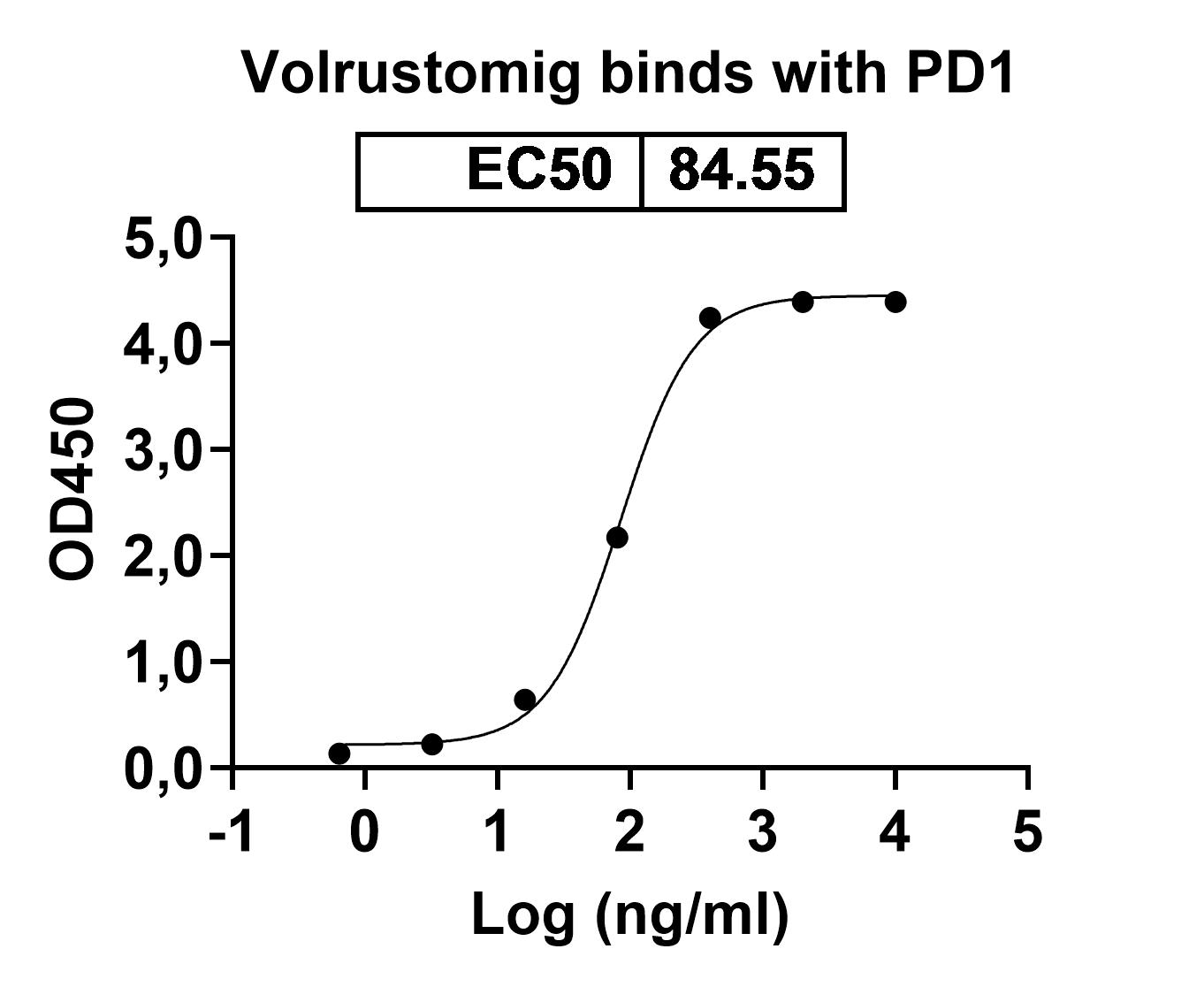
Lorigerlimab Biosimilar works by binding to two immune checkpoint proteins, CTLA4 and PD1, which are present on the surface of T cells. These proteins act as “brakes” on the immune system, preventing T cells from attacking healthy cells in the body. However, in cancer, these proteins are often overexpressed, leading to immune evasion and tumor growth.
By binding to CTLA4 and PD1, Lorigerlimab Biosimilar blocks their interaction with their respective ligands, CD80/CD86 and PD-L1/PD-L2. This prevents the “brakes” from being activated, allowing T cells to become activated and attack cancer cells. Additionally, the antibody also promotes the activation of other immune cells, such as natural killer cells and macrophages, further enhancing the anti-tumor immune response.
Applications of Lorigerlimab Biosimilar:
The primary application of Lorigerlimab Biosimilar is in the treatment of cancer. It is being investigated in clinical trials for various types of cancer, including melanoma, lung cancer, and lymphoma. The antibody has shown promising results in early clinical trials, with some patients experiencing complete remission or long-term disease control.
Apart from
cancer, Lorigerlimab Biosimilar also has potential applications in other diseases where immune checkpoint proteins play a role. These include autoimmune diseases, such as rheumatoid arthritis and multiple sclerosis, where the immune system attacks healthy tissues. By blocking CTLA4 and PD1, Lorigerlimab Biosimilar can potentially suppress the immune response and reduce disease severity.
Conclusion:
In conclusion, Lorigerlimab Biosimilar is a research grade monoclonal antibody that targets CTLA4 and PD1, two important immune checkpoint proteins. Its Y-shaped structure allows it to bind to these proteins and prevent their interaction with their respective ligands, leading to activation of T cells and other immune cells. This antibody has shown promising results in clinical trials for the treatment of cancer and has potential applications in other diseases where immune checkpoint proteins play a role. Further research and clinical trials are needed to fully understand the potential of Lorigerlimab Biosimilar as a therapeutic agent.

There are no reviews yet.