Title: Understanding the Structure and Function of Odronextamab Biosimilar – Anti-CD3, CD20 mAb – Research Grade
Introduction:
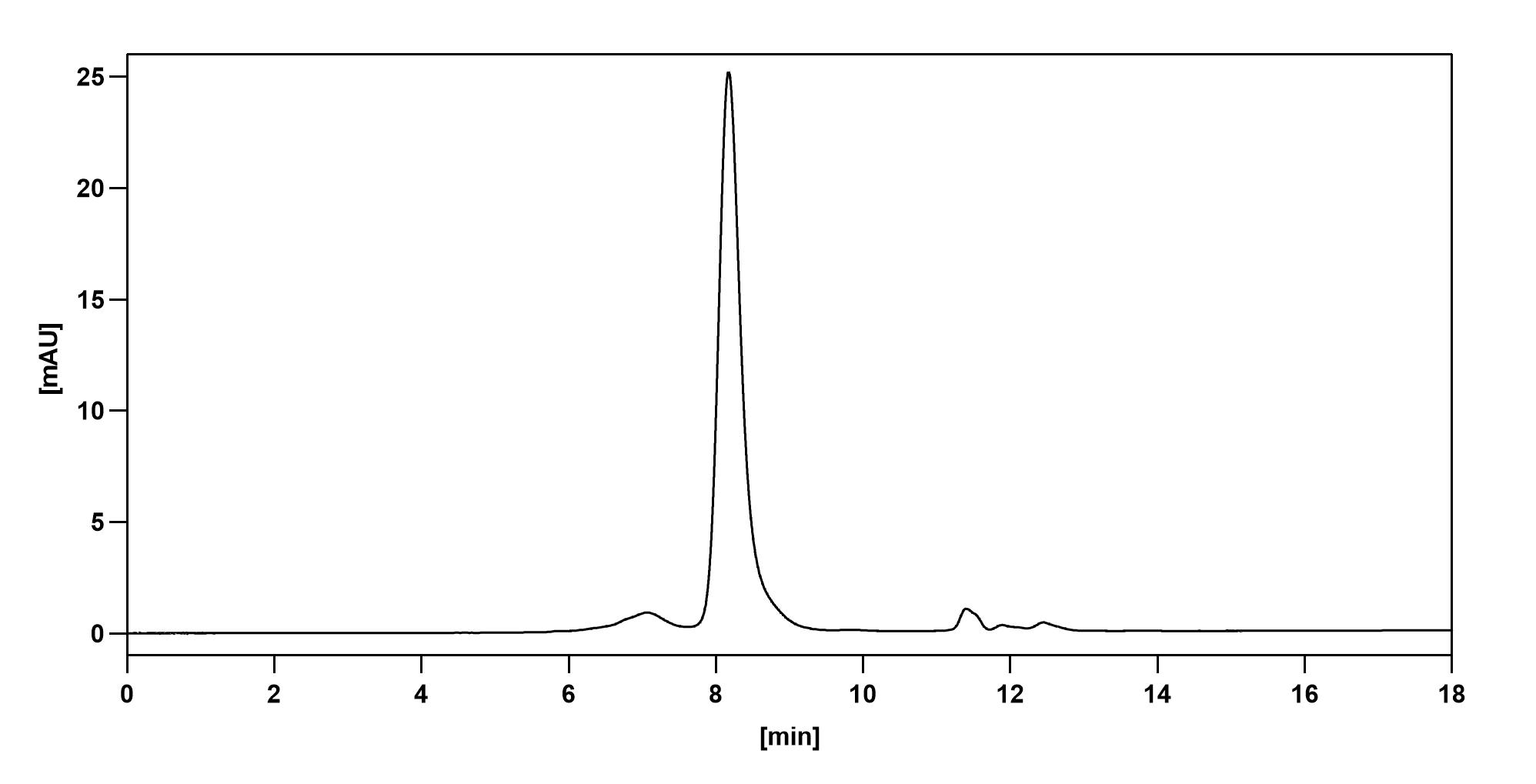
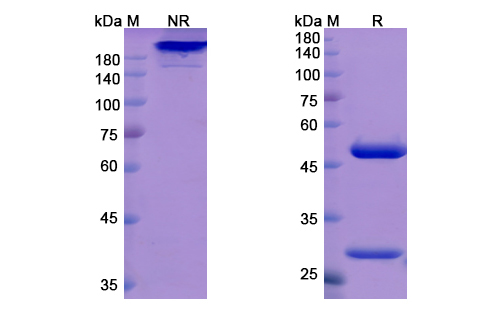
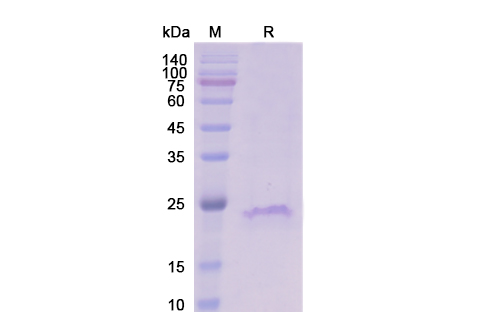
Odronextamab Biosimilar is a novel therapeutic antibody that targets both CD3 and CD20 proteins. It is a monoclonal antibody (mAb) that has shown promising results in pre-clinical and clinical studies. In this article, we will delve into the structure, activity, and potential applications of this biosimilar.
Structure:
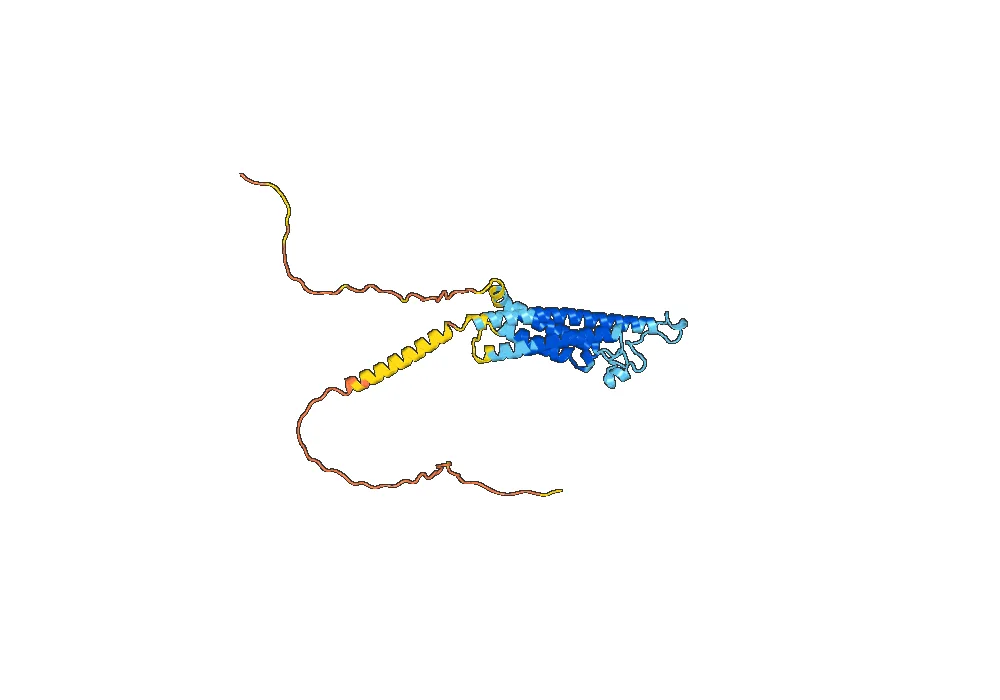
Odronextamab Biosimilar is a chimeric antibody, meaning it is composed of both human and non-human components. It is composed of a human IgG1 constant region and a murine variable region. The variable region is responsible for binding to the CD3 and CD20 proteins. This unique structure allows for high specificity and affinity towards its targets.
Activity:
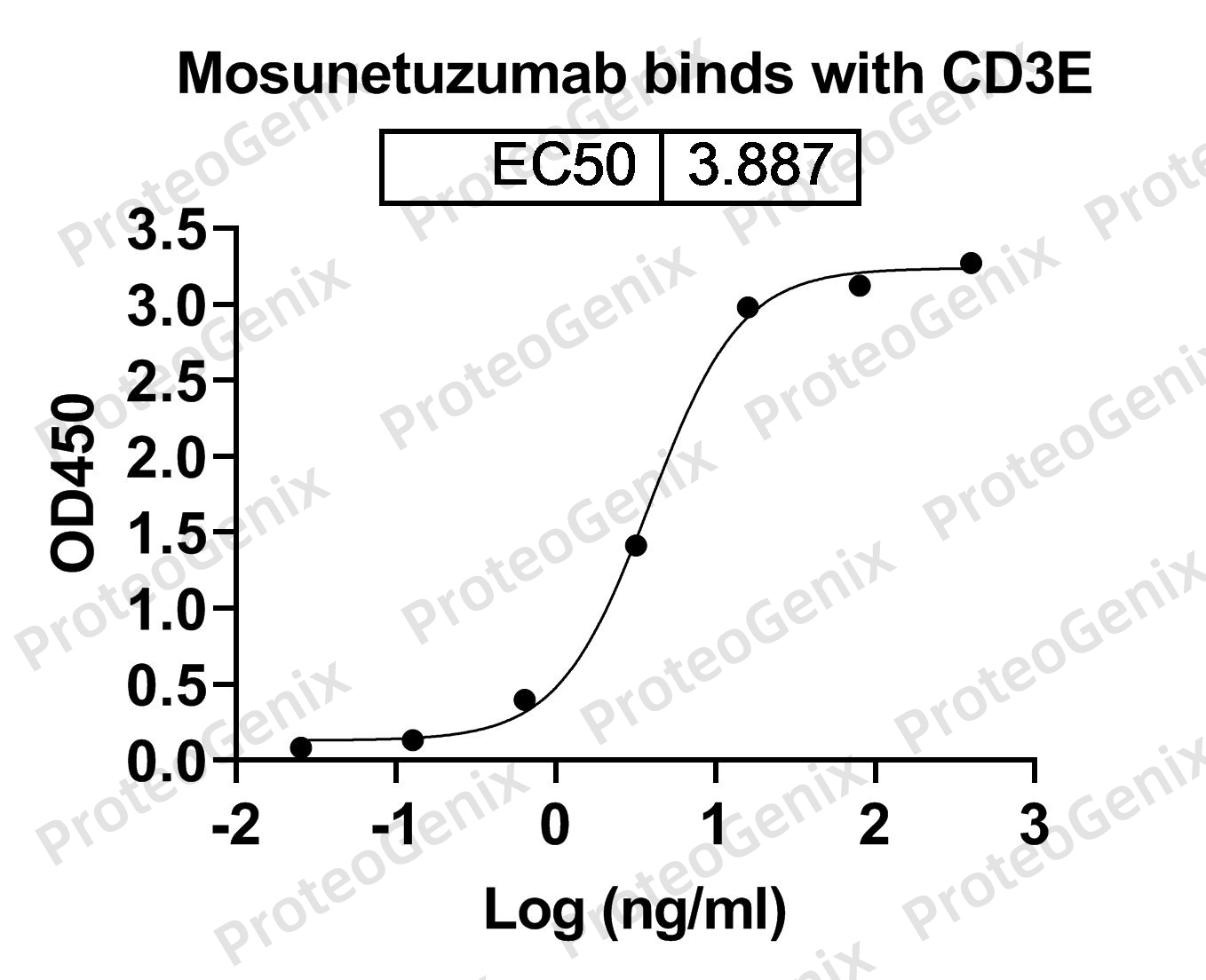
As mentioned, Odronextamab Biosimilar targets both CD3 and CD20 proteins. CD3 is a protein found on the surface of T-cells, while CD20 is found on B-cells. By targeting both of these proteins, Odronextamab Biosimilar is able to induce T-cell mediated killing of B-cells, making it a potent immunosuppressant. This activity has shown to be effective in treating autoimmune diseases and certain types of cancer.
Application:
The primary application of Odronextamab Biosimilar is in the treatment of autoimmune diseases. By targeting CD3 and CD20 proteins, it is able to suppress the activity of B-cells and reduce the production of autoantibodies, which are the main drivers of autoimmune diseases. This biosimilar has shown promising results in clinical trials for diseases such as rheumatoid arthritis, multiple sclerosis, and lupus.
In addition to autoimmune diseases, Odronextamab Biosimilar also has potential in the treatment of certain types of cancer. By targeting CD20, this biosimilar can induce apoptosis (programmed cell death) in cancerous B-cells, making it a potential therapy for B-cell lymphomas and leukemias.
Research Grade:
Odronextamab Biosimilar is currently being developed as a research grade antibody, meaning it is primarily used for research purposes and not yet approved for clinical use. However, the results from pre-clinical and clinical studies have shown great potential for this biosimilar to be developed into a therapeutic antibody for various diseases.
Conclusion:
In summary, Odronextamab Biosimilar is a chimeric monoclonal antibody that targets CD3 and CD20 proteins. Its unique structure and activity make it a promising therapy for autoimmune diseases and certain types of cancer. As a research grade antibody, it has shown great potential for future clinical applications. Further studies and development of this biosimilar could potentially lead to a new and effective treatment option for patients with these diseases.



There are no reviews yet.