Introduction
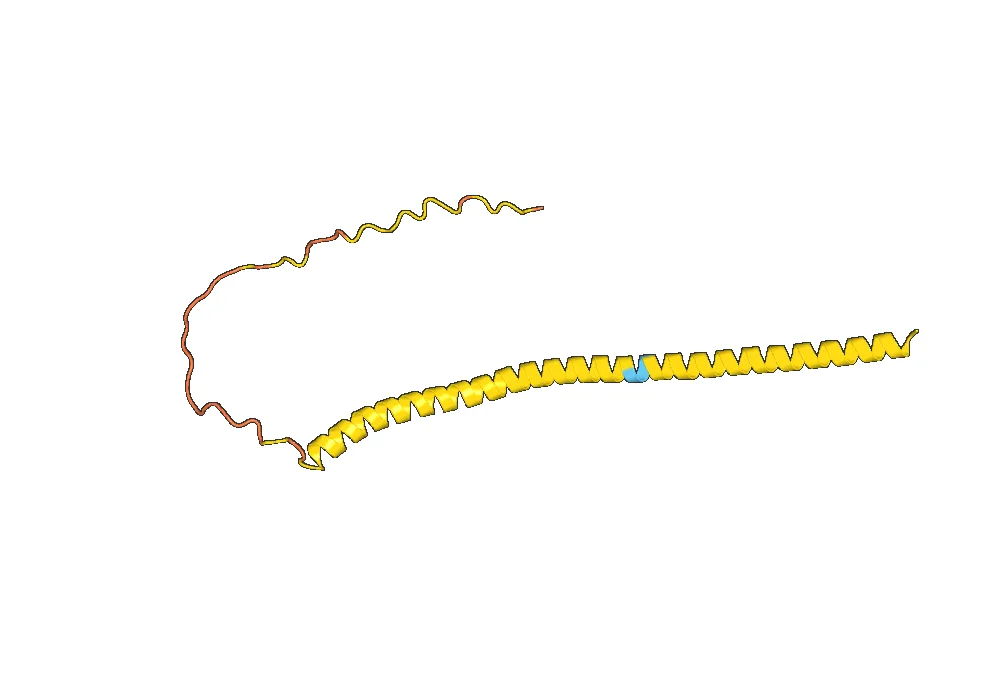
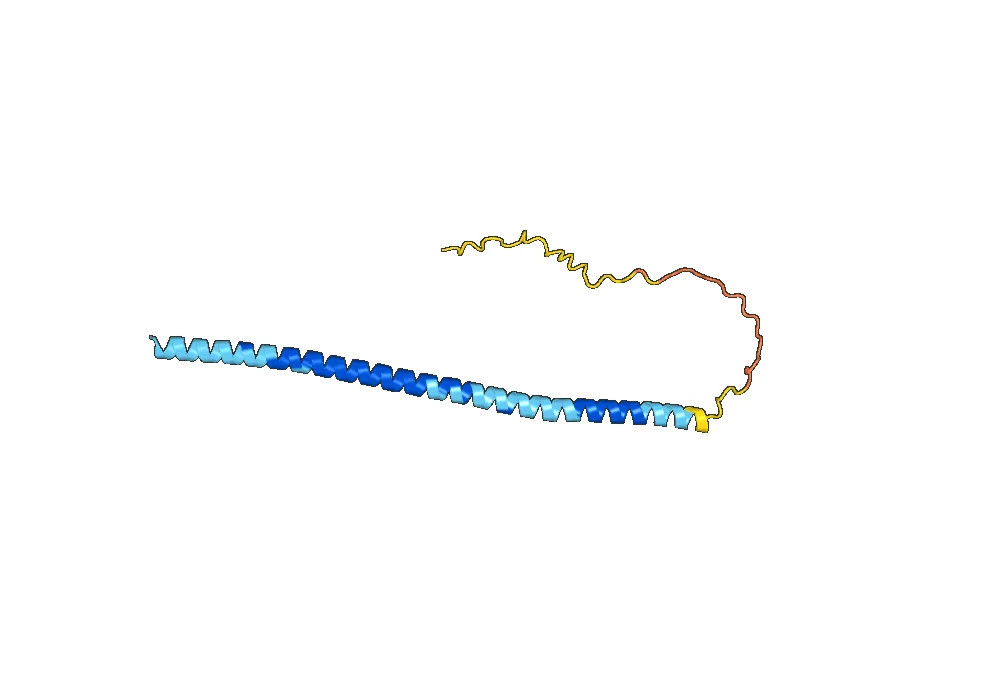
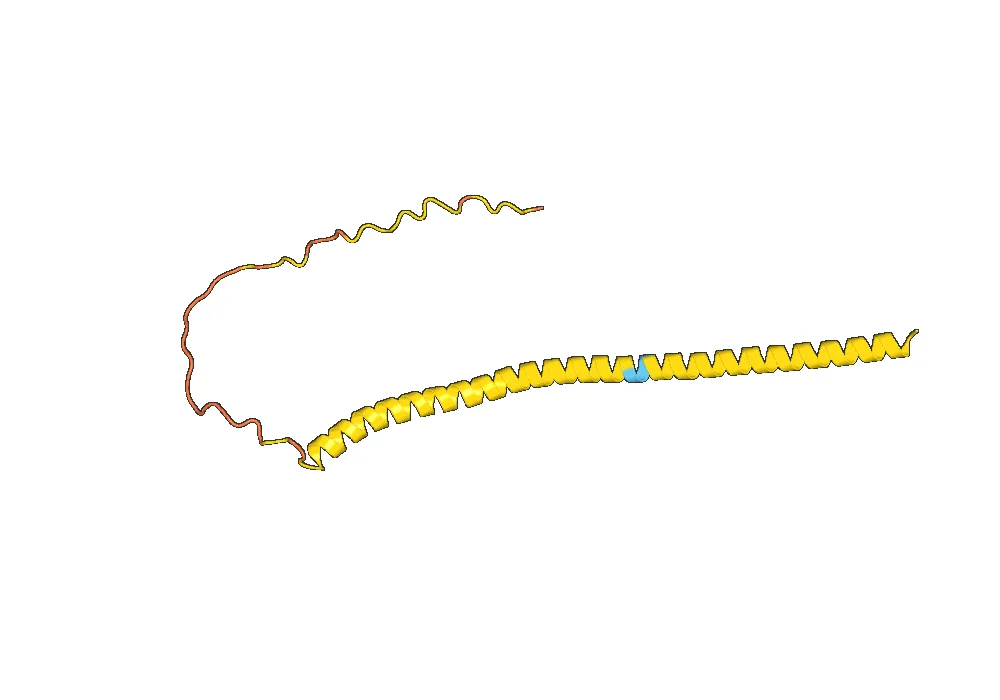
Prasinezumab Biosimilar, also known as Anti-SNCA mAb, is a monoclonal antibody that targets the protein alpha-synuclein (SNCA). This protein is abundant in the brain and is believed to play a role in the development of Parkinson’s disease. Prasinezumab Biosimilar is currently being studied as a potential therapeutic option for this neurodegenerative disorder.
Structure of Prasinezumab Biosimilar
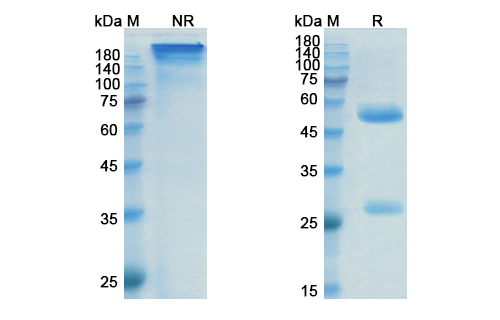
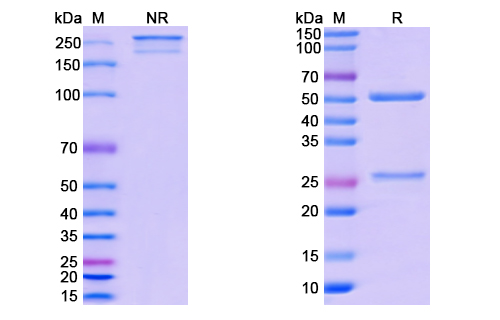
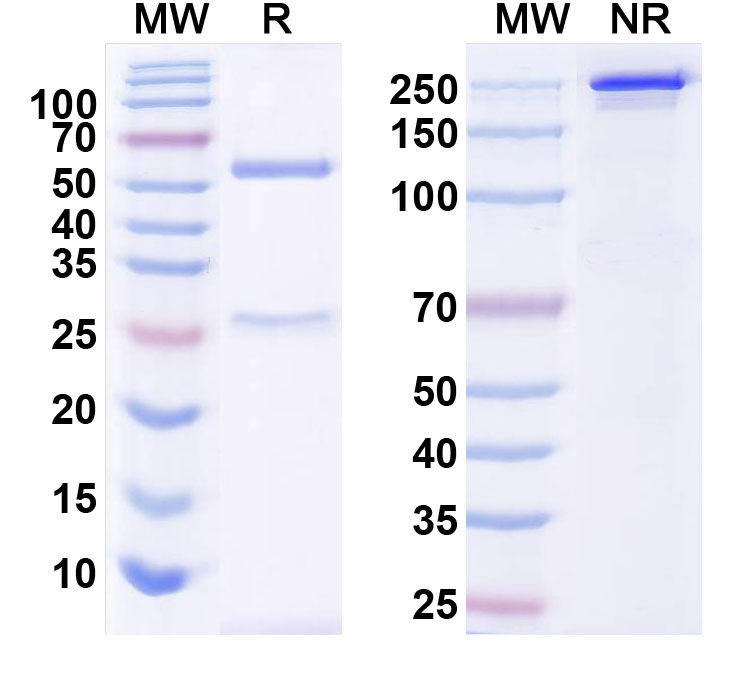
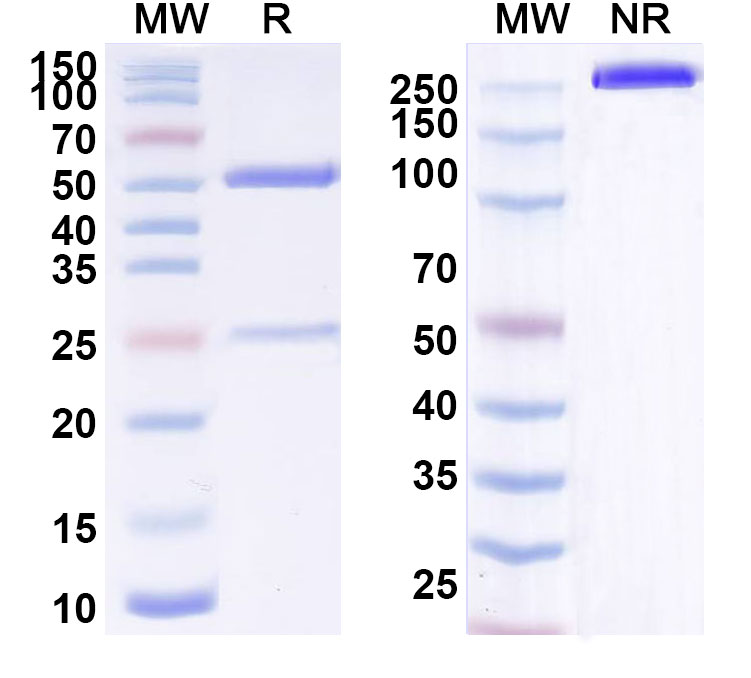
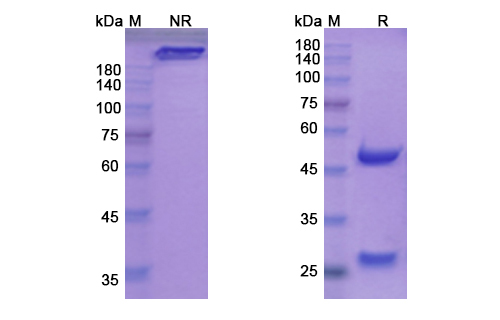
Prasinezumab Biosimilar is a recombinant monoclonal antibody that is produced in a laboratory setting. It is designed to mimic the structure of the natural human antibody and is composed of two heavy chains and two light chains. These chains are connected by disulfide bonds and are responsible for the antibody’s specificity and binding capabilities.
Mechanism of Action
Prasinezumab Biosimilar works by specifically binding to alpha-synuclein, which is a key protein involved in the formation of Lewy bodies, a hallmark of Parkinson’s disease. By binding to alpha-synuclein, Prasinezumab Biosimilar prevents its aggregation and accumulation, which is believed to contribute to the degeneration of neurons in the brain. This mechanism of action has the potential to slow down or even halt the progression of Parkinson’s disease.
Research Grade
Prasinezumab Biosimilar is currently in the research grade stage, which means it is being studied in preclinical and clinical trials to determine its safety and efficacy. These studies involve testing the antibody in animal models and human subjects to gather data on its pharmacokinetics, pharmacodynamics, and potential side effects. The results of these studies will inform the development of the antibody for potential use as a therapeutic option for Parkinson’s disease.
Potential Applications
If Prasinezumab Biosimilar proves to be effective in clinical trials, it has the potential to be used as a treatment for Parkinson’s disease. This could provide a much-needed alternative to current treatments, which primarily focus on managing symptoms rather than slowing down the progression of the disease. Prasinezumab Biosimilar could also potentially be used as a preventive therapy for individuals at risk of developing Parkinson’s disease, such as those with a family history of the disorder.
Conclusion
In summary, Prasinezumab Biosimilar is a promising monoclonal antibody that targets alpha-synuclein, a key protein involved in the development of Parkinson’s disease. Its unique mechanism of action has the potential to slow down or even halt the progression of the disease, making it a potential breakthrough in the treatment of this neurodegenerative disorder. As it continues to be studied in research grade trials, Prasinezumab Biosimilar may offer new hope for individuals living with Parkinson’s disease and their families.
There are no reviews yet.