Introduction
Sontuzumab Biosimilar, also known as Anti-MUC1, CD227 mAb, is a monoclonal antibody that targets the MUC1 protein. This protein is overexpressed in many types of cancer, making it a promising therapeutic target for cancer treatment. In this article, we will discuss the structure, activity, and potential applications of Sontuzumab Biosimilar as a research-grade antibody.
Structure of Sontuzumab Biosimilar
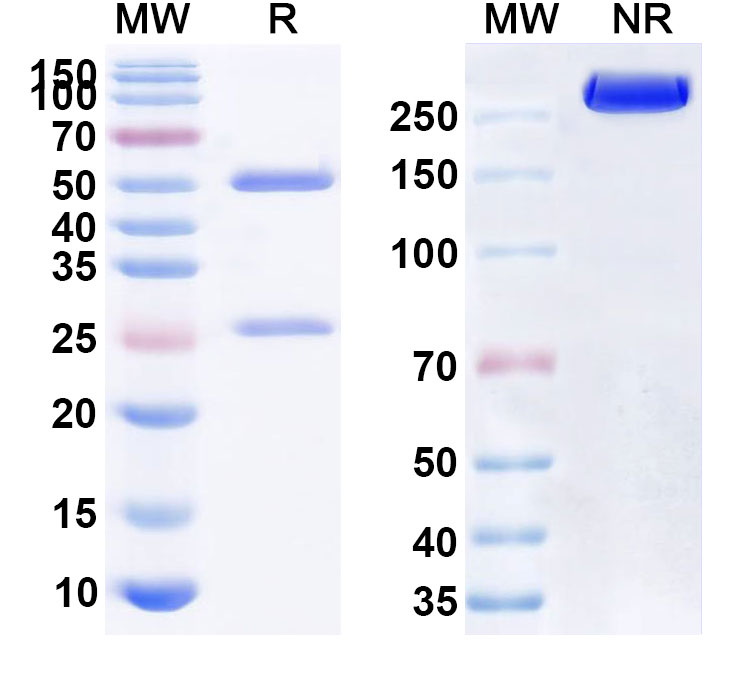
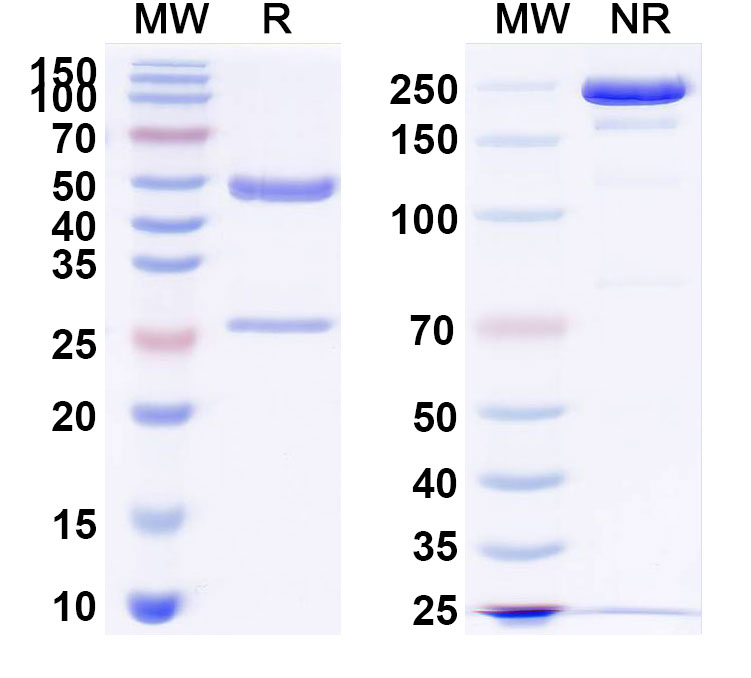
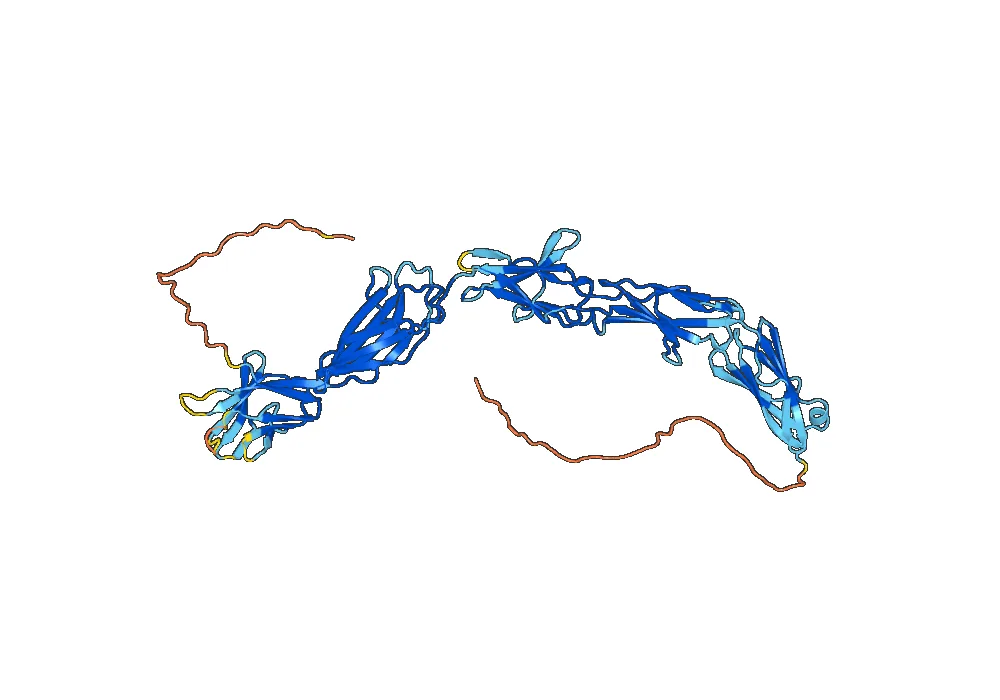
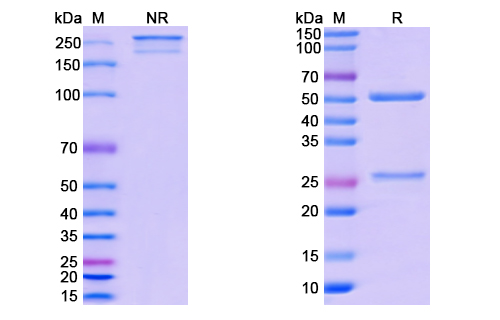
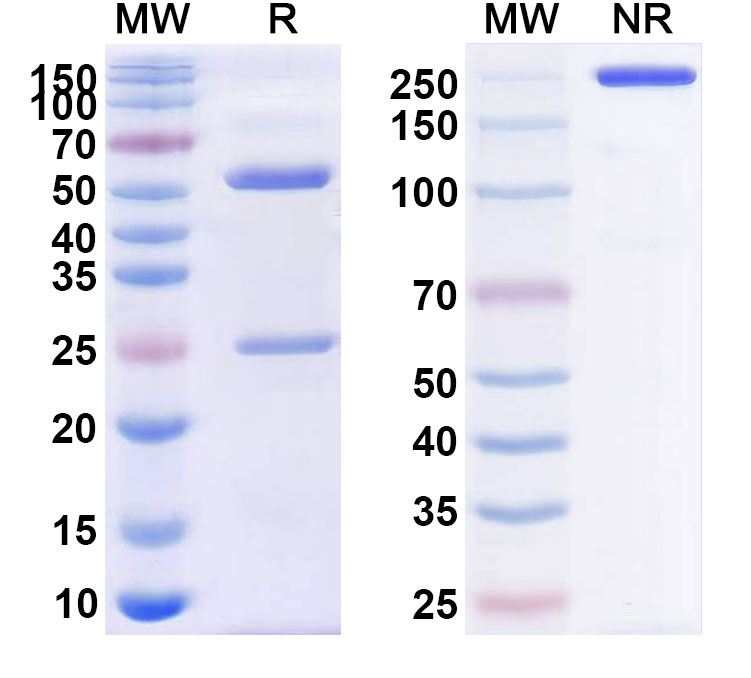
Sontuzumab Biosimilar is a recombinant humanized IgG1 monoclonal antibody. It is composed of two heavy chains and two light chains, each with a variable region and a constant region. The variable region is responsible for binding to the MUC1 protein, while the constant region determines the antibody’s effector functions.
Activity of Sontuzumab Biosimilar
Sontuzumab Biosimilar works by binding to the MUC1 protein on the surface of cancer cells. This binding inhibits the interaction between MUC1 and other proteins, such as growth factors and adhesion molecules, which are essential for cancer cell growth and metastasis. By blocking these interactions, Sontuzumab Biosimilar can prevent cancer cells from proliferating and spreading to other parts of the body.
In addition to directly inhibiting
cancer cell growth, Sontuzumab Biosimilar also has immune-modulating properties. It can activate immune cells, such as natural killer (NK) cells and macrophages, to target and kill cancer cells. This makes Sontuzumab Biosimilar a promising candidate for combination therapy with other cancer treatments, such as chemotherapy and immunotherapy.
Applications of Sontuzumab Biosimilar
As a research-grade antibody, Sontuzumab Biosimilar has several potential applications in cancer research. One of the primary uses of this antibody is in the development of new cancer therapies. By targeting the MUC1 protein, Sontuzumab Biosimilar has the potential to be an effective treatment for a wide range of cancers, including breast, lung, colon, and pancreatic cancer.
Sontuzumab Biosimilar can also be used in preclinical studies to investigate the role of MUC1 in cancer progression and to identify potential biomarkers for cancer diagnosis and prognosis. Additionally, this antibody can be used in diagnostic assays to detect MUC1 expression in cancer cells and to monitor the response to treatment.
Future Directions
Sontuzumab Biosimilar is currently in clinical trials for the treatment of solid tumors, with promising results. In a phase I clinical trial, Sontuzumab Biosimilar showed safety and tolerability in patients with advanced solid tumors, and in a phase II trial, it demonstrated clinical activity in patients with metastatic colorectal cancer.
In the future, Sontuzumab Biosimilar may also be explored for its potential in other diseases where MUC1 is involved, such as inflammatory and autoimmune disorders. Additionally, researchers may investigate the use of Sontuzumab Biosimilar in combination with other cancer treatments to improve its efficacy and overcome resistance.
Conclusion
Sontuzumab Biosimilar is a promising research-grade antibody that targets the MUC1 protein, which is overexpressed in many types of cancer. Its unique mechanism of action, immune-modulating properties, and potential for combination therapy make it a valuable tool in cancer research. With ongoing clinical trials and future research, Sontuzumab Biosimilar may become a valuable treatment option for cancer patients.


There are no reviews yet.