Introduction to Torudokimab Biosimilar – Anti-IL33 mAb – Research Grade
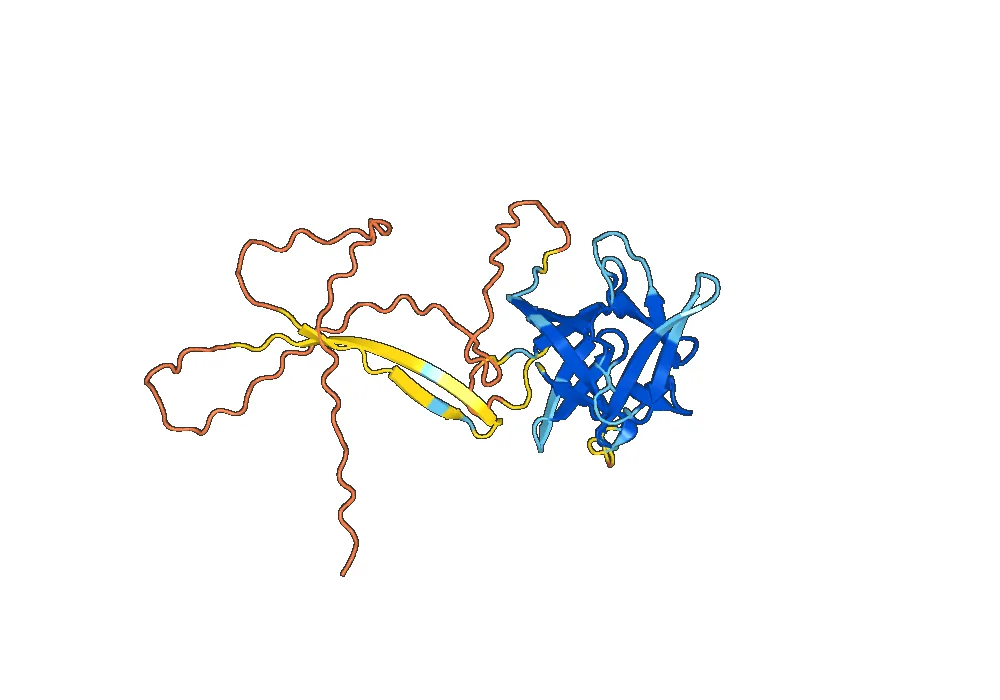
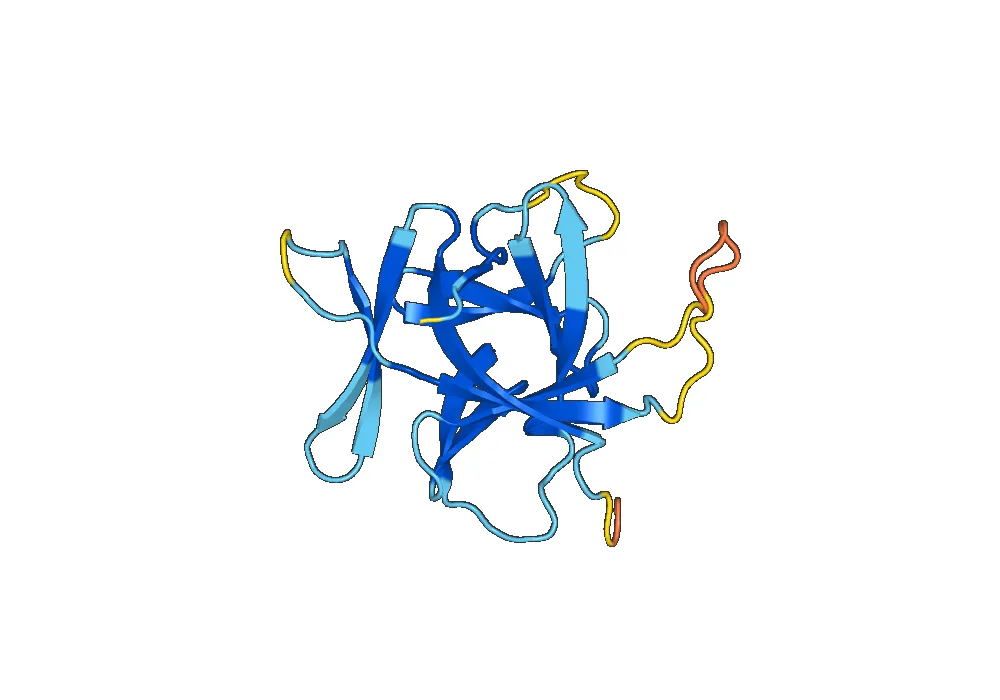
Torudokimab Biosimilar, also known as Anti-IL33 mAb, is a novel therapeutic antibody that has been developed as a biosimilar to the existing anti-IL33 monoclonal antibody. This biosimilar has been designed to target the IL33 protein, which has been identified as a key player in various inflammatory and autoimmune diseases. In this article, we will discuss the structure, activity, and potential applications of Torudokimab Biosimilar in the field of scientific research.
Structure of Torudokimab Biosimilar
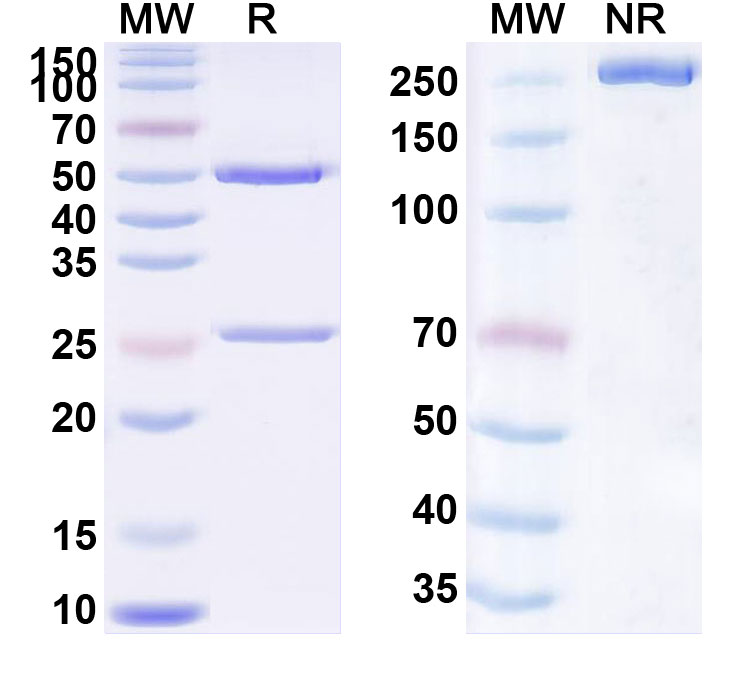
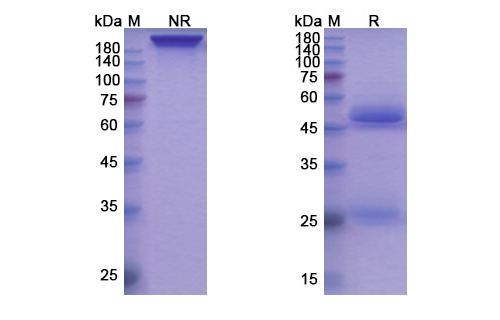
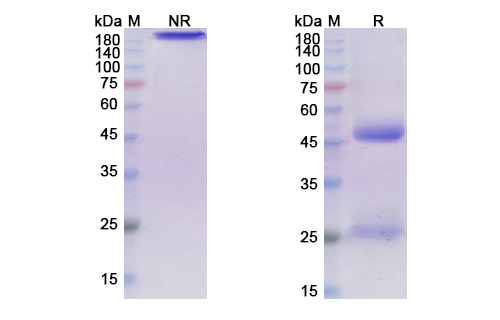
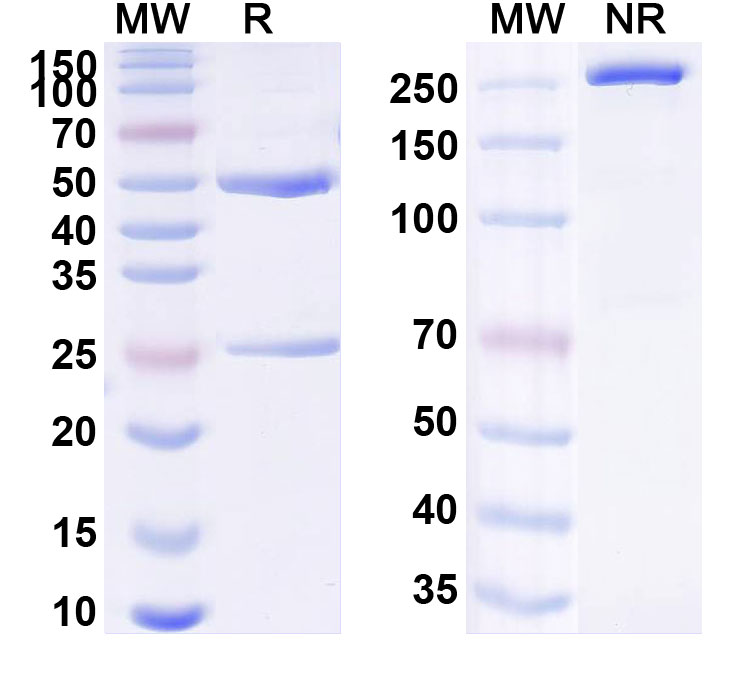
Torudokimab Biosimilar is a monoclonal antibody that is produced through recombinant DNA technology. It is a humanized IgG1 antibody, which means that it contains both human and mouse components. The antibody has a molecular weight of approximately 150 kDa and consists of two heavy chains and two light chains. The heavy chains are composed of four constant domains (CH1, CH2, CH3, and CH4) and one variable domain (VH), while the light chains consist of one constant domain (CL) and one variable domain (VL).
The variable domains of Torudokimab Biosimilar are responsible for binding to the IL33 protein, while the constant domains play a role in the effector functions of the antibody. The humanization of the antibody ensures that it has a low immunogenicity and can be safely administered to patients without causing adverse immune reactions.
Activity of Torudokimab Biosimilar
Torudokimab Biosimilar exerts its activity by specifically binding to the IL33 protein, which is a cytokine involved in the regulation of immune responses. IL33 is known to activate various immune cells, including T cells, B cells, and mast cells, leading to the production of pro-inflammatory cytokines. By binding to IL33, Torudokimab Biosimilar blocks its activity and prevents the activation of immune cells, thereby reducing inflammation.
In addition, Torudokimab Biosimilar also has the ability to induce antibody-dependent cellular cytotoxicity (ADCC) and complement-dependent cytotoxicity (CDC). This means that the antibody can recruit immune cells to attack and destroy cells that express IL33, further reducing the levels of this cytokine in the body.
Title: Applications of Torudokimab Biosimilar in Research
Torudokimab Biosimilar has shown promising results in preclinical studies and is currently being evaluated in clinical trials for the treatment of various inflammatory and autoimmune diseases. Some of the conditions that are being targeted by this biosimilar include asthma, atopic dermatitis, rheumatoid arthritis, and inflammatory bowel disease.
In research, Torudokimab Biosimilar can be used as a tool to study the role of IL33 in different disease models. By blocking the activity of IL33, researchers can investigate the effects of this cytokine on various immune cells and the development of inflammatory diseases. This biosimilar can also be used to validate the potential of IL33 as a therapeutic target in different diseases.
Conclusion
In conclusion, Torudokimab Biosimilar – Anti-IL33 mAb – Research Grade is a novel therapeutic antibody that has been designed to target the IL33 protein, a key player in various inflammatory and autoimmune diseases. Its unique structure and activity make it a promising candidate for the treatment of these conditions. In addition, this biosimilar also has potential applications in research, providing a valuable tool for studying the role of IL33 in different disease models. Further clinical trials will determine the efficacy and safety of Torudokimab Biosimilar, and it is hoped that this biosimilar will provide a new treatment option for patients suffering from inflammatory and autoimmune diseases.


There are no reviews yet.