Introduction to Urabrelimab Biosimilar – Anti-CD47 mAb – Research Grade
Urabrelimab Biosimilar, also known as Anti-CD47 monoclonal antibody (mAb), is a novel therapeutic agent that has gained significant attention in the field of cancer research. It is a biosimilar version of the original drug, Urabrelimab, which is currently undergoing clinical trials for the treatment of various types of cancer. This article will provide a detailed scientific description of Urabrelimab Biosimilar, including its structure, activity, and potential applications.
Structure of Urabrelimab Biosimilar
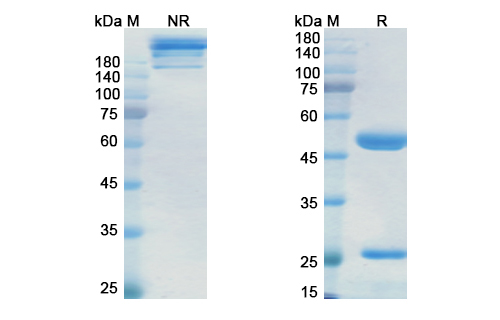
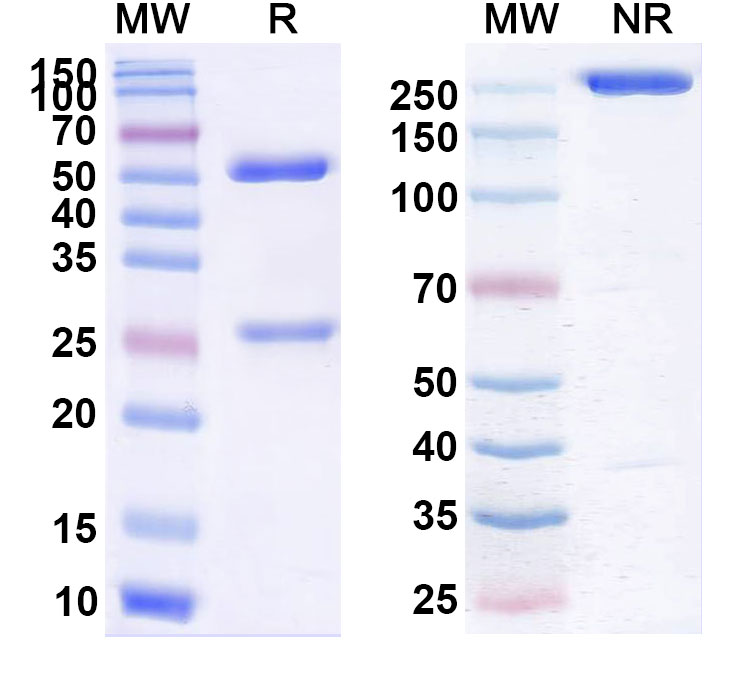
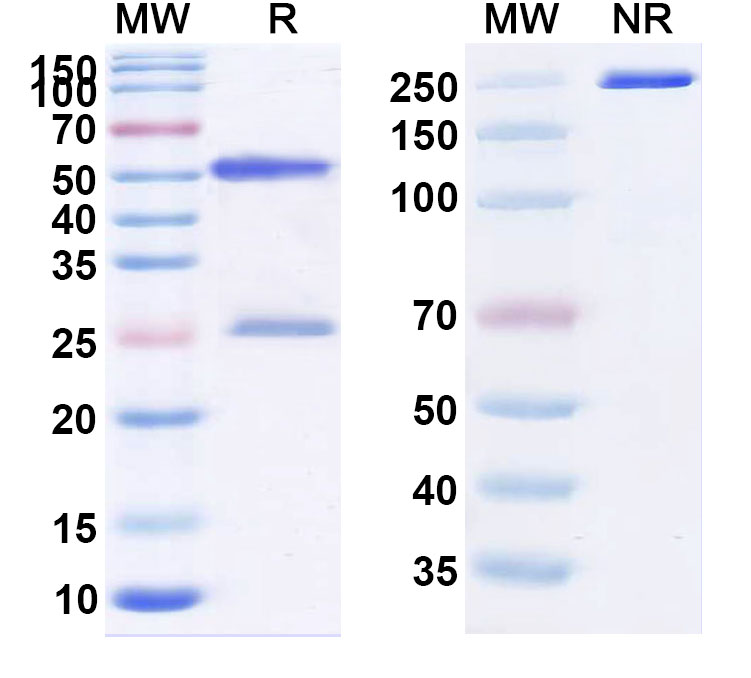
Urabrelimab Biosimilar is a monoclonal antibody that specifically targets CD47, a protein that is overexpressed in many types of cancer cells. It is a fully humanized immunoglobulin G1 (IgG1) antibody, which means that it is derived from human cells and has minimal risk of immunogenicity or adverse reactions. The antibody has a molecular weight of approximately 150 kDa and is composed of two heavy chains and two light chains. It has a Y-shaped structure, with two antigen-binding fragments (Fab) at the tips of the Y and a crystallizable fragment (Fc) at the base.
The antigen-binding region of Urabrelimab Biosimilar is highly specific for CD47, allowing it to bind to the protein with high affinity and specificity. This binding prevents CD47 from interacting with its receptor, signal regulatory protein alpha (SIRPα), which is responsible for inhibiting the immune response against cancer cells.
Activity of Urabrelimab Biosimilar Urabrelimab Biosimilar exerts its anti-
cancer activity through two main mechanisms: blocking the “don’t eat me” signal and promoting phagocytosis. As mentioned earlier, CD47 is overexpressed on the surface of cancer cells and acts as a “don’t eat me” signal, preventing them from being recognized and destroyed by immune cells. By binding to CD47, Urabrelimab Biosimilar blocks this signal, allowing immune cells to recognize and attack cancer cells.
Moreover, Urabrelimab Biosimilar also promotes phagocytosis, the process by which immune cells engulf and destroy cancer cells. This is achieved by the binding of the Fc region of the antibody to Fc receptors on the surface of immune cells, triggering an immune response against cancer cells.
Applications of Urabrelimab Biosimilar
Urabrelimab Biosimilar has shown promising results in preclinical studies and is currently being evaluated in clinical trials for the treatment of various types of cancer, including solid tumors and hematologic malignancies. It has the potential to be used as a monotherapy or in combination with other anti- cancer treatments, such as chemotherapy and immunotherapy.
One of the major advantages of Urabrelimab Biosimilar is its ability to target multiple types of cancer cells, as CD47 is overexpressed in various types of tumors. This makes it a potential therapeutic option for a wide range of cancers, including breast cancer, ovarian cancer, lung cancer, and leukemia.
Furthermore, Urabrelimab Biosimilar has also shown promising results in the treatment of cancer stem cells, which are responsible for tumor initiation, progression, and recurrence. By targeting CD47, Urabrelimab Biosimilar may be able to eliminate these cancer stem cells and prevent tumor recurrence.
Conclusion
In conclusion, Urabrelimab Biosimilar is a novel monoclonal antibody that specifically targets CD47, a protein that is overexpressed in many types of cancer cells. Its unique structure and mechanism of action make it a promising therapeutic option for the treatment of various types of cancer. With ongoing clinical trials, Urabrelimab Biosimilar has the potential to improve the outcomes of cancer patients and contribute to the advancement of cancer treatment.



There are no reviews yet.