Title: Understanding the Structure and Function of Edrecolomab Biosimilar – Anti-EPCAM mAb
Introduction
Edrecolomab is a biosimilar monoclonal antibody (mAb) that targets the epithelial cell adhesion molecule (EPCAM). It has been extensively studied for its potential therapeutic applications in various cancers. In this article, we will delve deeper into the structure, activity, and potential applications of Edrecolomab biosimilar.
Structure of Edrecolomab Biosimilar
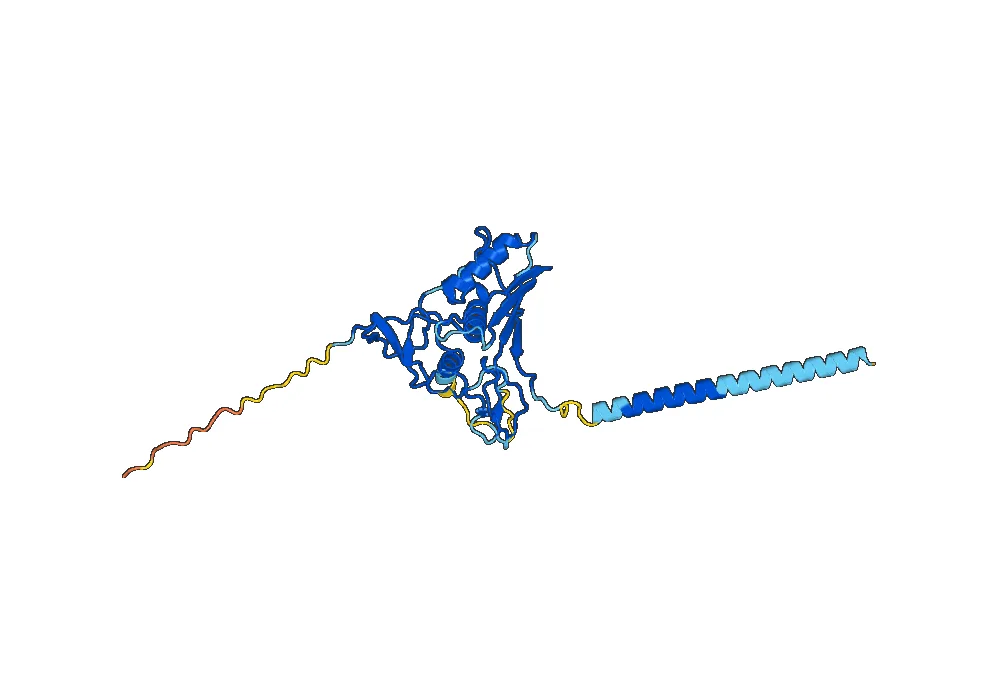
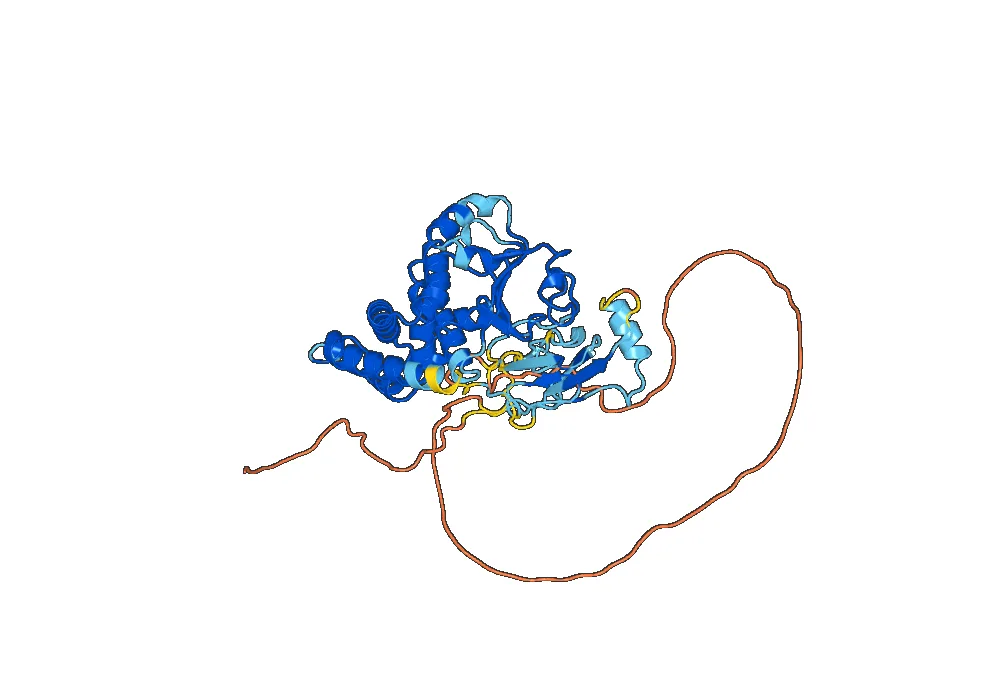
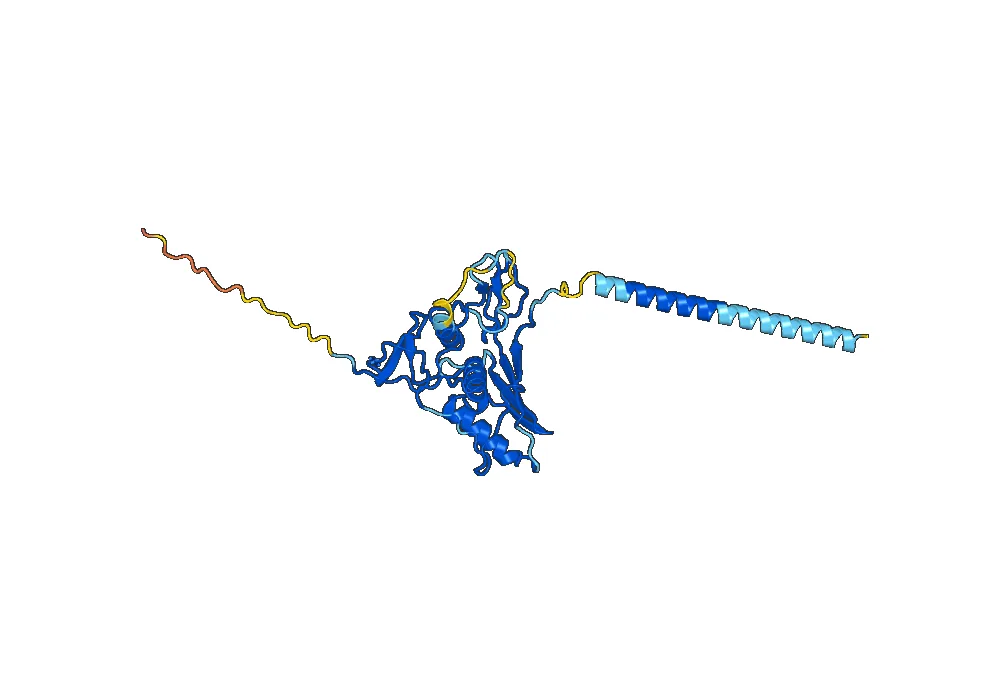
Edrecolomab biosimilar is a recombinant humanized IgG1 mAb. It is produced using recombinant DNA technology, where the gene encoding the variable regions of the antibody is inserted into a mammalian cell line. This results in the production of a chimeric antibody, with the variable regions derived from a mouse antibody and the constant regions from a human antibody.
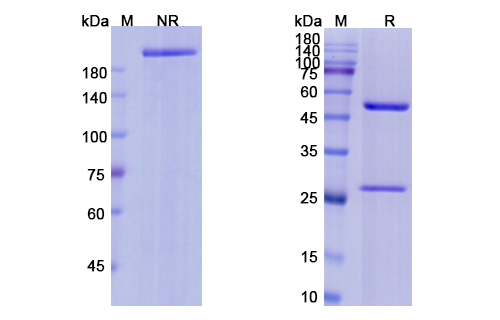
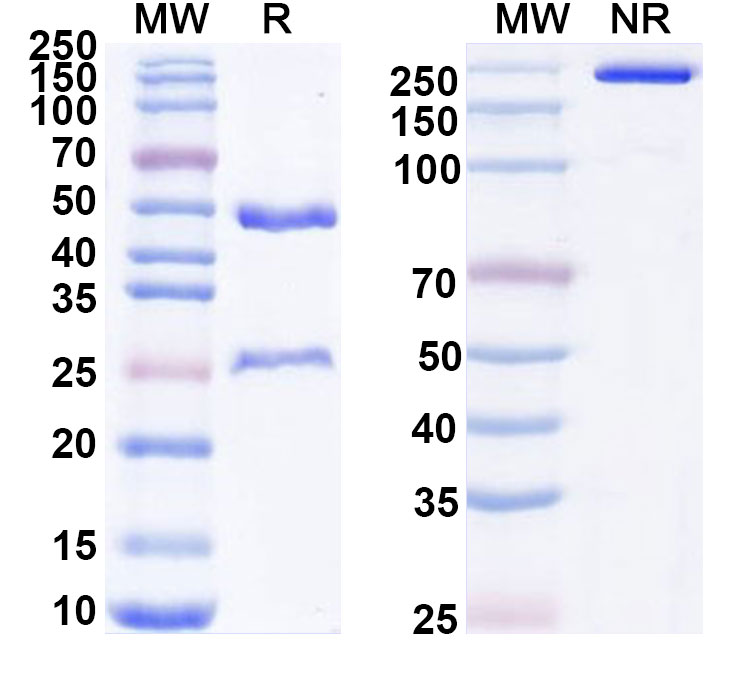
The mAb has a molecular weight of approximately 150 kDa and is composed of two heavy chains and two light chains. The heavy chains consist of four constant regions (CH1, CH2, CH3, and CH4) and one variable region (VH), while the light chains have two constant regions (CL) and one variable region (VL). The variable regions of Edrecolomab are responsible for its binding specificity to EPCAM.
Activity of Edrecolomab Biosimilar
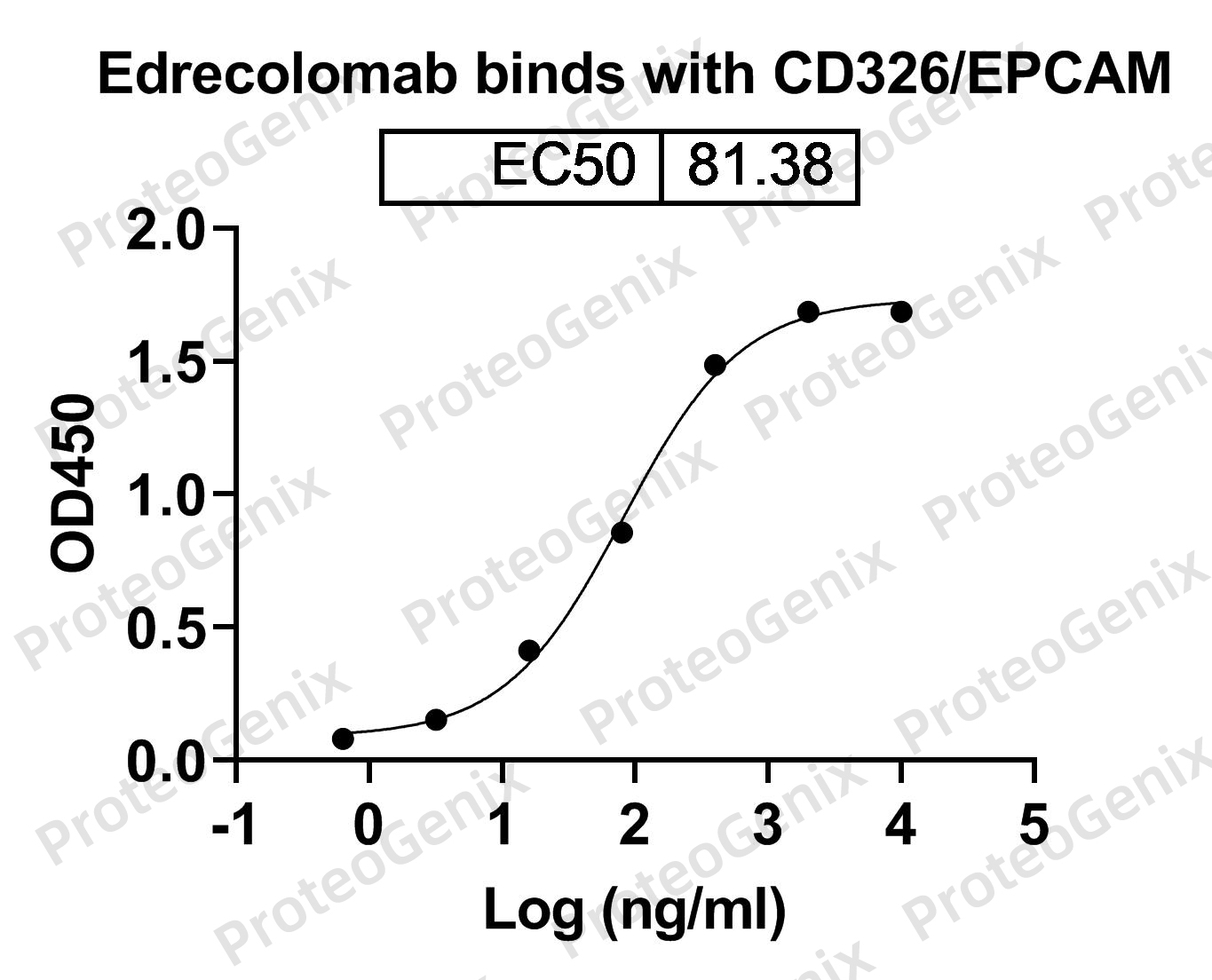
EPCAM is a transmembrane glycoprotein that is overexpressed in many types of cancers, including colorectal, breast, and lung cancer. Edrecolomab specifically binds to EPCAM, which leads to the activation of immune effector cells, such as natural killer cells and macrophages, to attack and kill cancer cells.
In addition to its direct anti-
cancer activity, Edrecolomab also has the potential to sensitize cancer cells to chemotherapy and radiotherapy. This is achieved through its ability to induce the release of cytokines and chemokines, which can enhance the anti-tumor effects of these treatments.
Potential Applications of Edrecolomab Biosimilar
Edrecolomab biosimilar has shown promising results in pre-clinical and clinical studies for the treatment of various cancers. In particular, it has shown efficacy in the treatment of metastatic colorectal cancer, where it has been shown to improve overall survival when used in combination with chemotherapy.
Apart from its potential as a therapeutic agent, Edrecolomab biosimilar also has potential applications in diagnostic imaging. Due to its high specificity for EPCAM, it can be used as a targeting agent for imaging techniques such as positron emission tomography (PET) and single-photon emission computed tomography (SPECT). This can aid in the early detection and monitoring of cancer progression.
Conclusion
Edrecolomab biosimilar is a recombinant humanized mAb that specifically targets EPCAM, a protein overexpressed in many types of cancers. Its unique structure and mechanism of action make it a promising therapeutic agent for the treatment of various cancers. In addition, its potential applications in diagnostic imaging further add to its value in the field of oncology. Further research and clinical trials are needed to fully explore the potential of Edrecolomab biosimilar in cancer treatment.

There are no reviews yet.