Introduction
Imvotamab Biosimilar, also known as Anti-CD3E,MS4A1 mAb, is a monoclonal antibody that has been developed as a biosimilar to the existing therapeutic antibody. This biosimilar has been designed to target the CD3E and MS4A1 proteins, which are important therapeutic targets in various diseases. In this article, we will discuss the structure, activity, and application of Imvotamab Biosimilar in detail.
Structure of Imvotamab Biosimilar
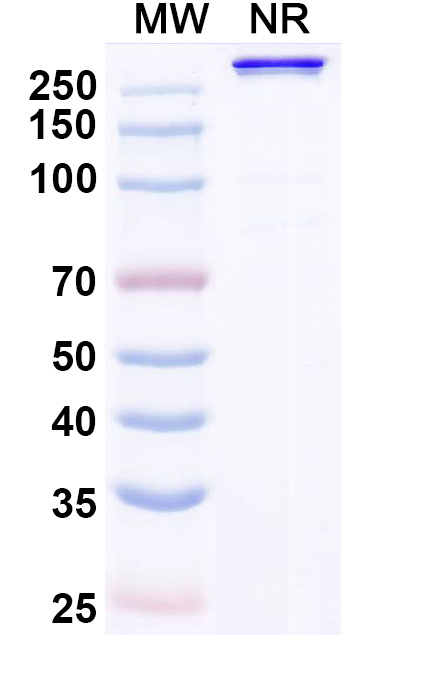
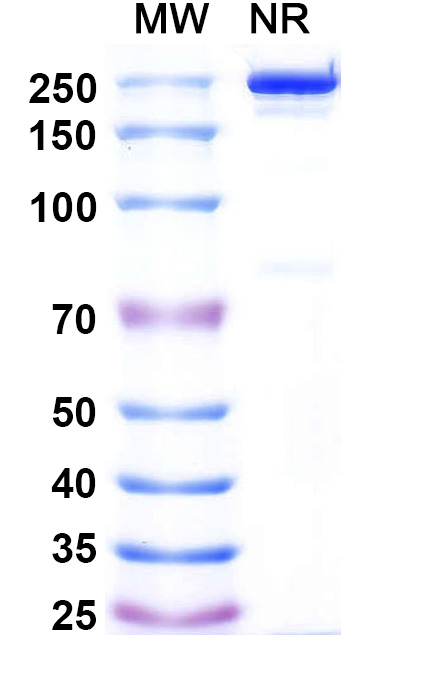
Imvotamab Biosimilar is a monoclonal antibody that is produced by recombinant DNA technology. It is a humanized antibody, meaning that it contains both human and murine components. The antibody is composed of two heavy chains and two light chains, each with a variable and constant region. The variable regions are responsible for binding to the target proteins, CD3E and MS4A1, while the constant regions provide stability and effector functions.
Activity of Imvotamab Biosimilar
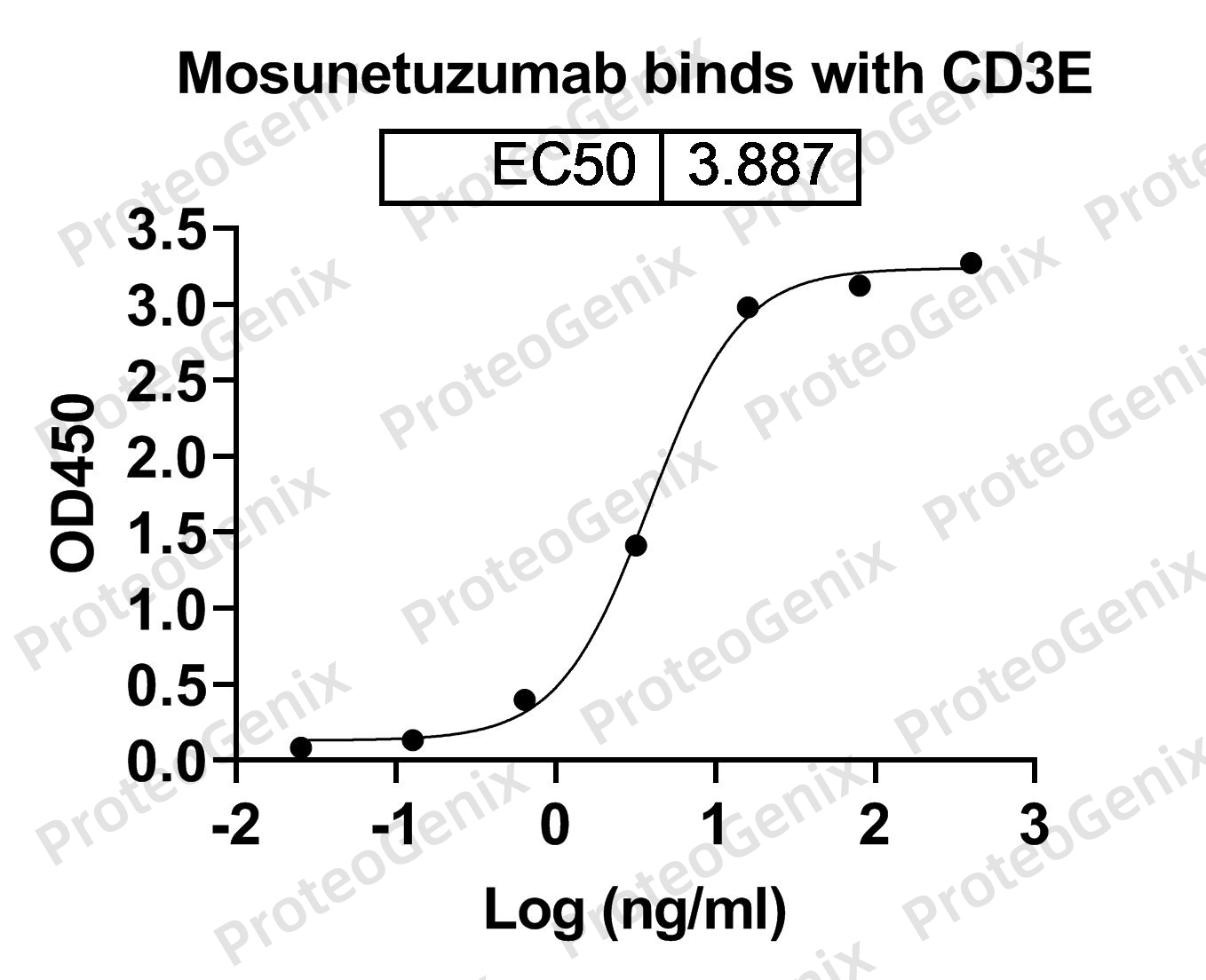
Imvotamab Biosimilar binds specifically to the CD3E and MS4A1 proteins on the surface of immune cells. These proteins are involved in the regulation of immune responses and play a crucial role in various diseases. By binding to these proteins, Imvotamab Biosimilar can modulate the immune response and potentially treat or prevent certain diseases.
In addition to binding to the target proteins, Imvotamab Biosimilar also has effector functions that can contribute to its activity. These include antibody-dependent cellular cytotoxicity (ADCC) and complement-dependent cytotoxicity (CDC). These mechanisms involve the recruitment of other immune cells to target and eliminate cells that are marked by the antibody.
Application of Imvotamab Biosimilar Imvotamab Biosimilar has potential applications in various diseases, including
autoimmune disorders, cancer, and transplant rejection. In autoimmune disorders, the antibody can target and modulate the activity of immune cells that are responsible for the disease. This can help to reduce inflammation and symptoms associated with the disorder.
In cancer, Imvotamab Biosimilar can be used as a targeted therapy to specifically bind to cancer cells and trigger immune-mediated cell death. This can potentially be used in combination with other cancer treatments to improve efficacy and reduce side effects.
In transplant rejection, Imvotamab Biosimilar can be used to prevent or treat rejection of transplanted organs. By targeting the immune cells responsible for rejection, the antibody can help to promote tolerance and improve the success of organ transplantation.
Conclusion
In summary, Imvotamab Biosimilar is a monoclonal antibody that targets the CD3E and MS4A1 proteins, which are important therapeutic targets in various diseases. The structure of the antibody allows for specific binding to these proteins, while its effector functions contribute to its activity. Imvotamab Biosimilar has potential applications in autoimmune disorders, cancer, and transplant rejection, making it a promising therapeutic option for these diseases.



There are no reviews yet.