Introduction
Rilvegostomig Biosimilar is a promising new antibody therapy that targets both the programmed cell death protein 1 (PD-1) and T cell immunoglobulin and ITIM domain (TIGIT) pathways. This research grade antibody has shown great potential in treating various types of cancer and autoimmune diseases, making it a highly sought-after therapeutic target.
Structure of Rilvegostomig Biosimilar
Rilvegostomig Biosimilar is a monoclonal antibody (mAb) that is designed to mimic the structure and function of the natural antibodies produced by the immune system. It is a fully humanized antibody, meaning it is derived from human cells and has a lower risk of causing adverse reactions in patients.
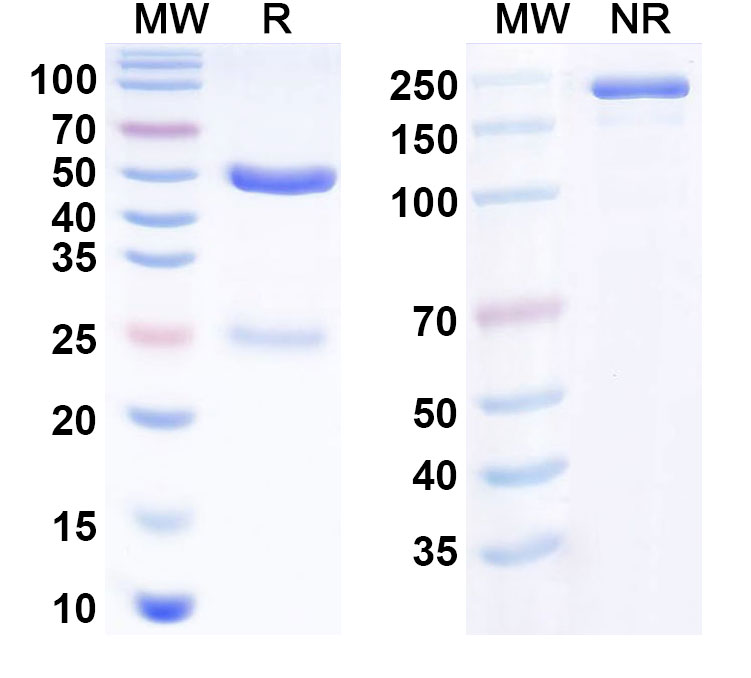
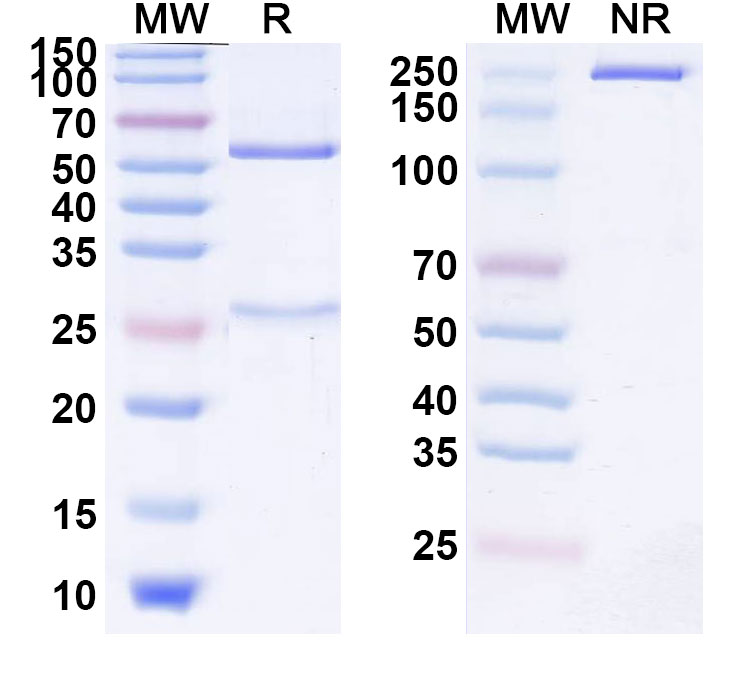
The mAb is composed of two heavy chains and two light chains, which are linked together by disulfide bonds. The heavy chains contain the variable regions, which are responsible for binding to the target molecules, while the constant regions determine the antibody’s effector functions.
Activity of Rilvegostomig Biosimilar
Rilvegostomig Biosimilar works by targeting two important immune pathways – PD-1 and TIGIT. PD-1 is a checkpoint protein that is expressed on the surface of T cells and helps regulate immune responses. TIGIT is also a checkpoint protein that is expressed on T cells and natural killer (NK) cells.
When PD-1 and TIGIT bind to their respective ligands, they inhibit the activation of T cells and NK cells, leading to a suppression of the immune response. This mechanism is often exploited by cancer cells and autoimmune diseases to evade detection and attack by the immune system.
Rilvegostomig Biosimilar blocks the binding of PD-1 and TIGIT to their ligands, thereby releasing the brakes on the immune system and allowing it to mount a stronger response against cancer cells and autoimmune disorders.
Application of Rilvegostomig Biosimilar
Rilvegostomig Biosimilar has shown promising results in preclinical studies and is currently being evaluated in clinical trials for the treatment of various types of cancer, including melanoma, lung cancer, and bladder cancer. It has also shown potential in treating autoimmune diseases such as rheumatoid arthritis and multiple sclerosis.
In cancer treatment, Rilvegostomig Biosimilar is used as a monotherapy or in combination with other therapies, such as chemotherapy or other immunotherapies. It has shown to be effective in both early and advanced stages of cancer, making it a versatile treatment option.
In autoimmune diseases, Rilvegostomig Biosimilar helps to restore the balance of the immune system, reducing inflammation and preventing damage to healthy tissues. It is also being studied for its potential in preventing organ rejection in transplant patients.
Conclusion
Rilvegostomig Biosimilar is a novel antibody therapy that targets both the PD-1 and TIGIT pathways, making it a promising treatment option for cancer and autoimmune diseases. Its unique mechanism of action and favorable safety profile make it a highly sought-after therapeutic target. Ongoing clinical trials will provide further insights into its efficacy and potential applications, and it is expected to become a valuable addition to the arsenal of treatments for these diseases.


There are no reviews yet.