Introduction
Tazlestobart Biosimilar is a therapeutic antibody that targets CD152, also known as cytotoxic T-lymphocyte-associated protein 4 (CTLA-4). It is a research grade antibody that has been developed to mimic the activity of the existing anti-CD152 mAb, ipilimumab, which is used in the treatment of advanced melanoma. In this article, we will discuss the structure, activity, and potential applications of Tazlestobart Biosimilar in the field of cancer immunotherapy.
Structure of Tazlestobart Biosimilar
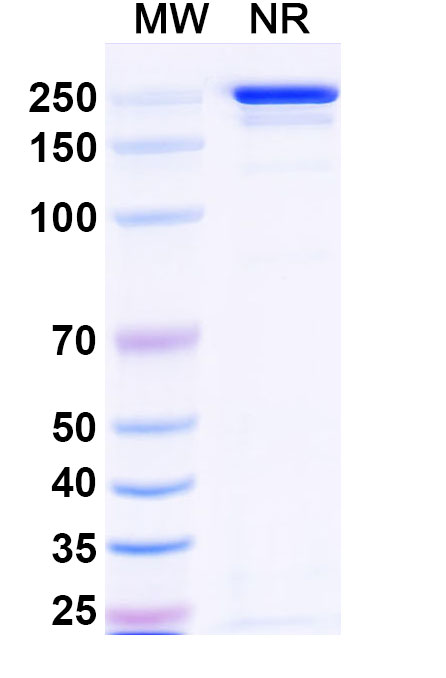
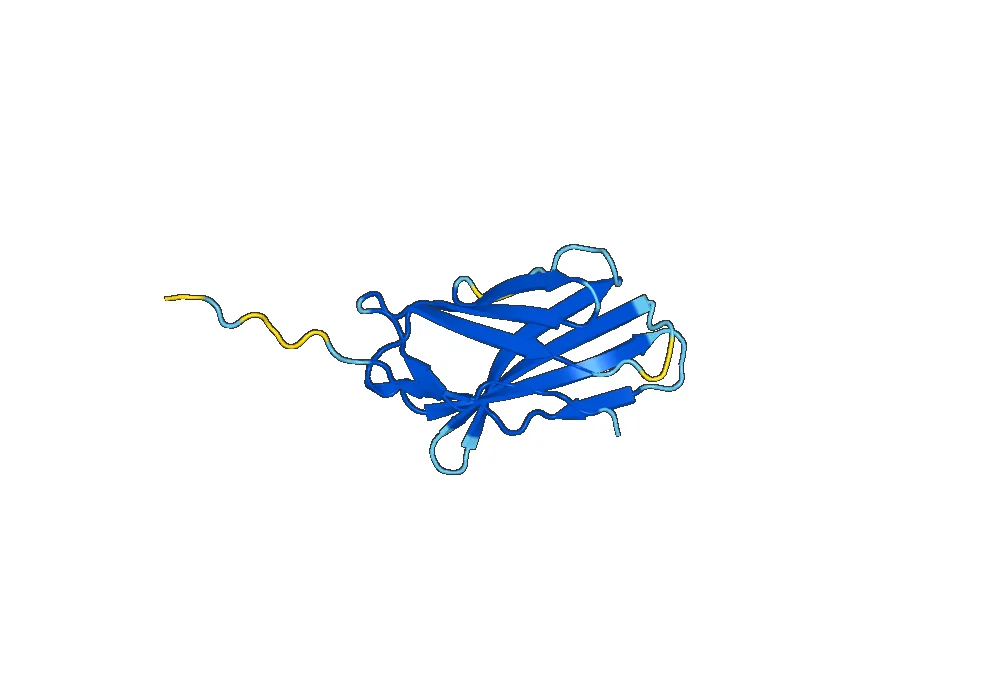
Tazlestobart Biosimilar is a monoclonal antibody, meaning it is produced by a single clone of immune cells. It is composed of two heavy chains and two light chains, all linked together by disulfide bonds. The heavy chains are made up of constant and variable regions, while the light chains only have variable regions. The variable regions of the antibody are responsible for binding to the target, CD152.
Tazlestobart Biosimilar is a biosimilar, which means it is highly similar to the reference product, ipilimumab. It has been developed using advanced protein engineering techniques to ensure that it has the same structure and function as the original antibody. This makes it a safe and effective alternative to ipilimumab for research purposes.
Activity of Tazlestobart Biosimilar
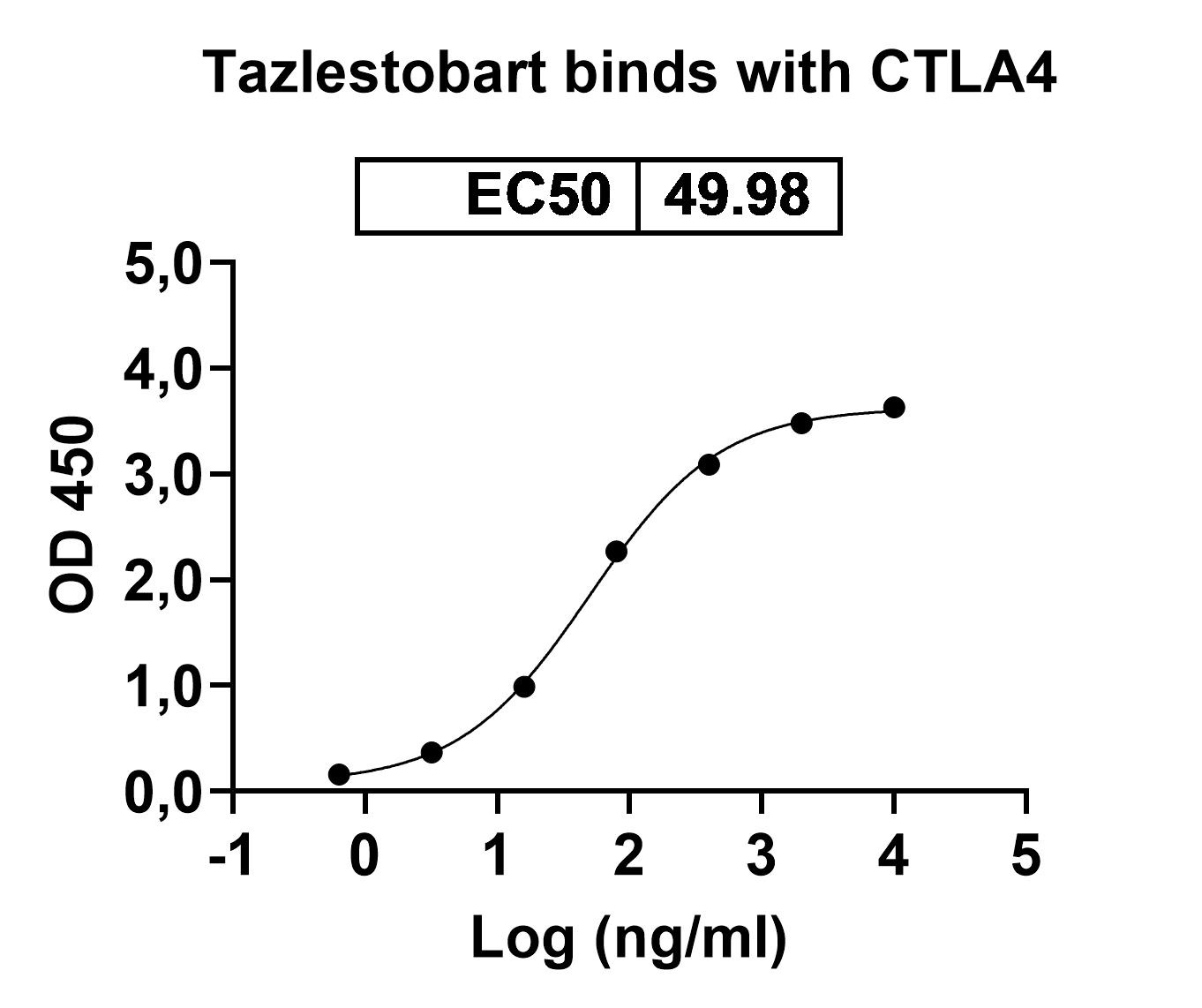
Tazlestobart Biosimilar works by targeting and blocking CD152, a protein found on the surface of T-cells. CD152 is a negative regulator of the immune system, meaning it inhibits the activation of T-cells. By blocking CD152, Tazlestobart Biosimilar allows T-cells to become activated and attack cancer cells.
In addition to blocking CD152, Tazlestobart Biosimilar also has an immune-stimulating effect. It activates immune cells called dendritic cells, which are responsible for initiating an immune response. This dual mechanism of action makes Tazlestobart Biosimilar a potent therapeutic antibody for cancer immunotherapy.
Applications of Tazlestobart Biosimilar
Tazlestobart Biosimilar has potential applications in the treatment of various types of cancer, particularly those that are difficult to treat with traditional therapies. It has shown promising results in preclinical studies for the treatment of advanced melanoma, a type of skin cancer. It has also been studied in combination with other immunotherapies for the treatment of other types of cancer, such as lung cancer and bladder cancer.
In addition to its potential as a cancer treatment, Tazlestobart Biosimilar could also have applications in the field of autoimmune diseases. By blocking CD152, it could potentially modulate the immune response in diseases such as rheumatoid arthritis and multiple sclerosis.
Conclusion
Tazlestobart Biosimilar is a promising therapeutic antibody that targets CD152, a protein involved in immune regulation. Its structure and activity have been carefully designed to mimic the existing anti-CD152 mAb, ipilimumab, making it a valuable research tool. Its potential applications in cancer immunotherapy and autoimmune diseases make it an exciting development in the field of biopharmaceuticals. Further research and clinical trials will determine the full potential of Tazlestobart Biosimilar in the treatment of cancer and other diseases.
Keywords: Tazlestobart Biosimilar, Anti-CD152 mAb, therapeutic antibody, therapeutic target, cancer immunotherapy, biosimilar, ipilimumab, structure, activity, applications.

There are no reviews yet.