Introduction to Volrustomig Biosimilar – Anti-PD1 and CTLA4 mAb
Volrustomig Biosimilar – Anti-PD1 and CTLA4 mAb is a novel therapeutic antibody that has been developed for the treatment of various types of cancers. This biosimilar is a research-grade version of the well-known monoclonal antibodies, Pembrolizumab (anti-PD1) and Ipilimumab (CTLA4 mAb). It has been designed to target two important immune checkpoint proteins, PD1 and CTLA4, which are known to play a crucial role in suppressing the body’s immune response against cancer cells.
Structure of Volrustomig Biosimilar – Anti-PD1 and CTLA4 mAb
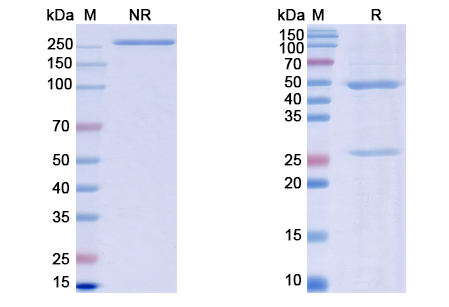
Volrustomig Biosimilar – Anti-PD1 and CTLA4 mAb is a recombinant humanized monoclonal antibody that has been engineered to have a structure similar to that of the original antibodies, Pembrolizumab and Ipilimumab. It consists of two heavy chains and two light chains, which are connected by disulfide bonds. The heavy chains are composed of constant and variable regions, while the light chains have only variable regions. The variable regions of the antibody are responsible for binding to the target proteins, PD1 and CTLA4.
Activity of Volrustomig Biosimilar – Anti-PD1 and CTLA4 mAb
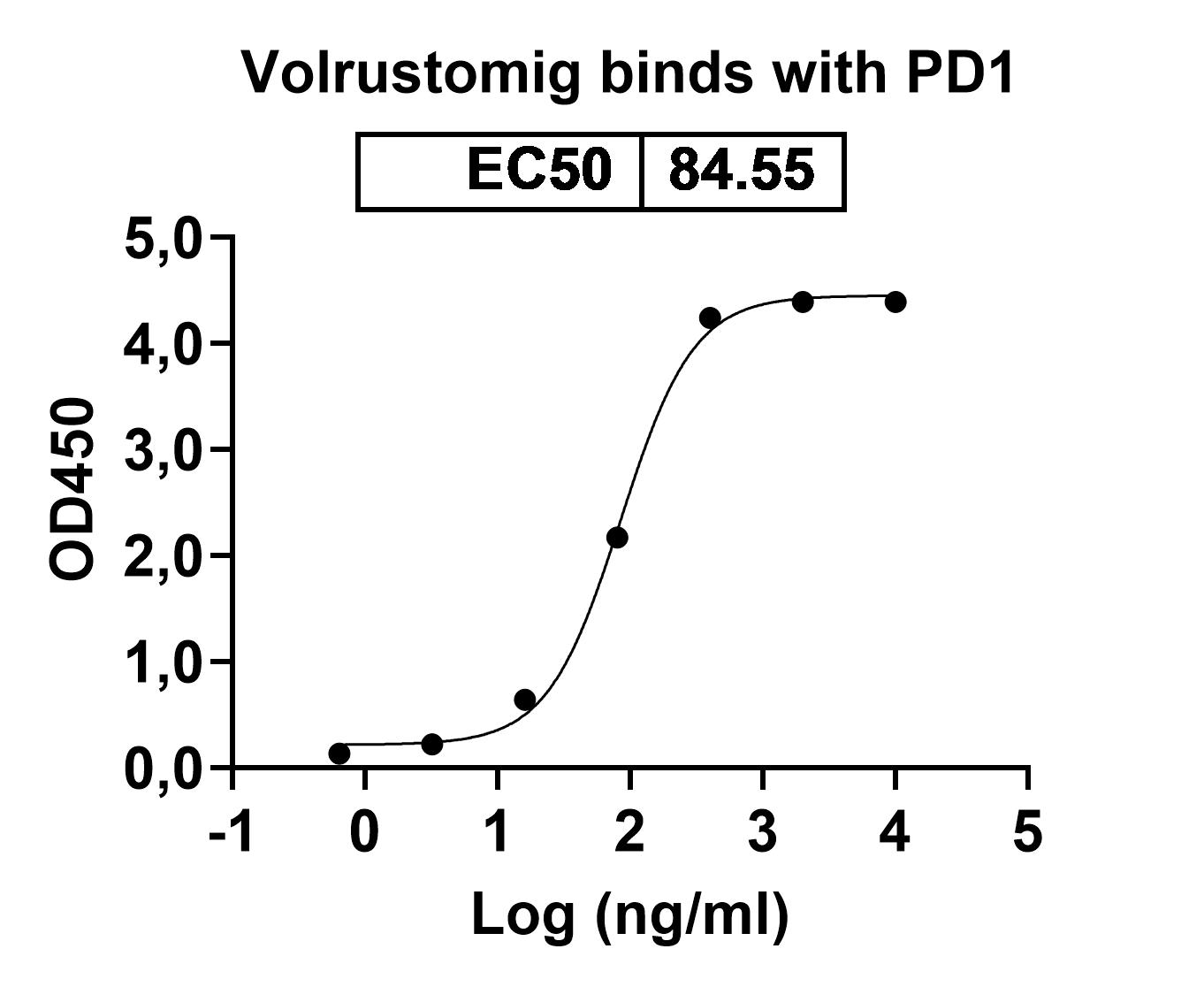
The main activity of Volrustomig Biosimilar – Anti-PD1 and CTLA4 mAb is to block the interaction between PD1 and its ligands, PD-L1 and PD-L2, as well as the interaction between CTLA4 and its ligands, CD80 and CD86. This blockade prevents the immune checkpoint proteins from inhibiting the activation of T cells, which are responsible for recognizing and killing cancer cells. By blocking these interactions, Volrustomig Biosimilar – Anti-PD1 and CTLA4 mAb helps to restore the body’s natural immune response against cancer cells.
Application of Volrustomig Biosimilar – Anti-PD1 and CTLA4 mAb
Volrustomig Biosimilar – Anti-PD1 and CTLA4 mAb has shown promising results in preclinical studies and is currently being evaluated in clinical trials for the treatment of various types of cancers, including melanoma, lung cancer, and bladder cancer. It is administered intravenously and has been found to be well-tolerated with minimal side effects. This biosimilar has the potential to provide an alternative and more affordable treatment option for patients who are unable to access the original antibodies, Pembrolizumab and Ipilimumab.
Conclusion
Volrustomig Biosimilar – Anti-PD1 and CTLA4 mAb is a research-grade therapeutic antibody that targets the immune checkpoint proteins, PD1 and CTLA4, to boost the body’s immune response against cancer cells. Its structure is similar to that of the original antibodies, Pembrolizumab and Ipilimumab, and it is currently being evaluated in clinical trials for the treatment of various types of cancers. This biosimilar has the potential to provide a more affordable treatment option for patients and could be a valuable addition to the existing arsenal of cancer therapies.

There are no reviews yet.