Cart (0 Items)
Your cart is currently empty.
View ProductsHantavirus research relies on precise, reliable tools to study viral biology, immune response, and potential therapeutic strategies. Antibodies and recombinant proteins targeting hantavirus antigens help researchers investigate viral infection mechanisms, detect specific viral components, and evaluate new approaches for antiviral or vaccine development.
Hantavirus proteins and antibodies can support early-stage therapeutic research by helping scientists better understand how the virus interacts with host cells and how the immune system responds to infection.
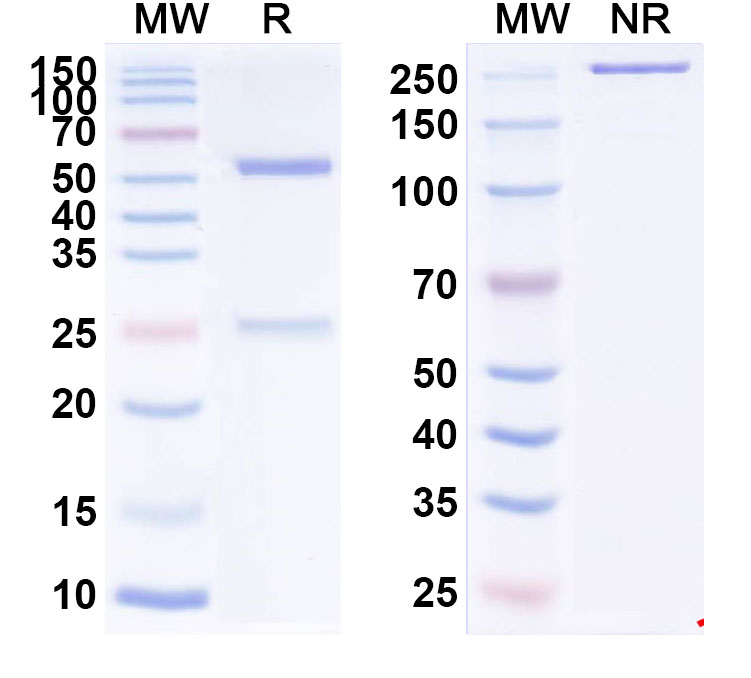
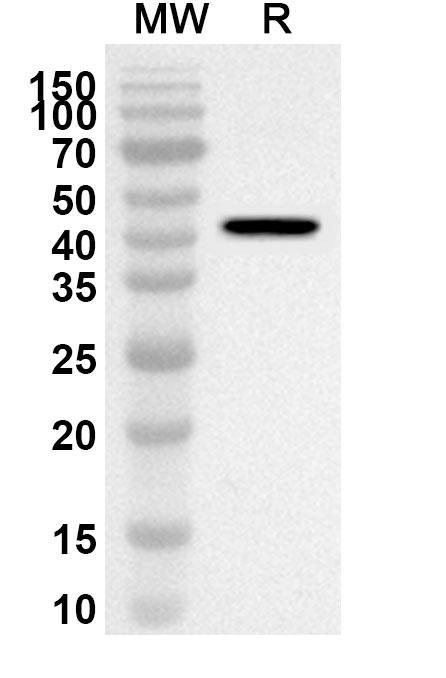
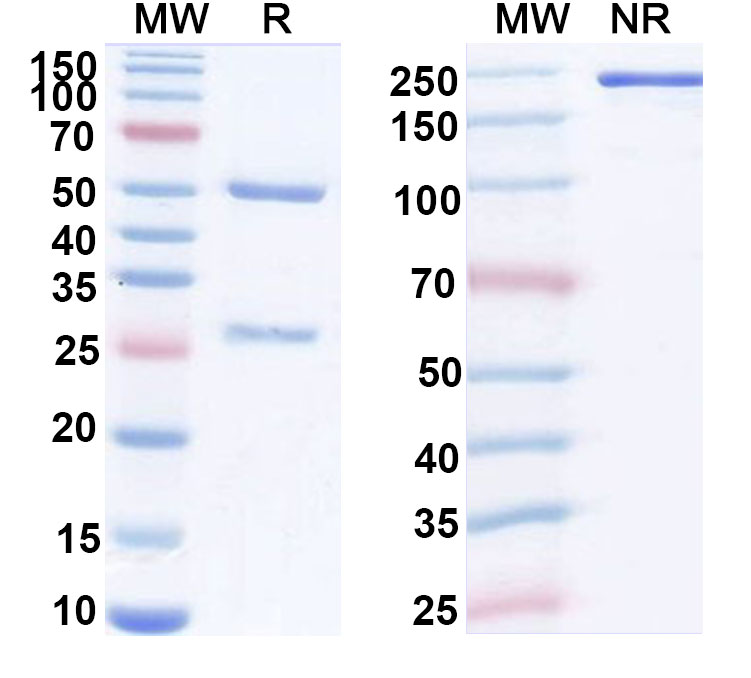
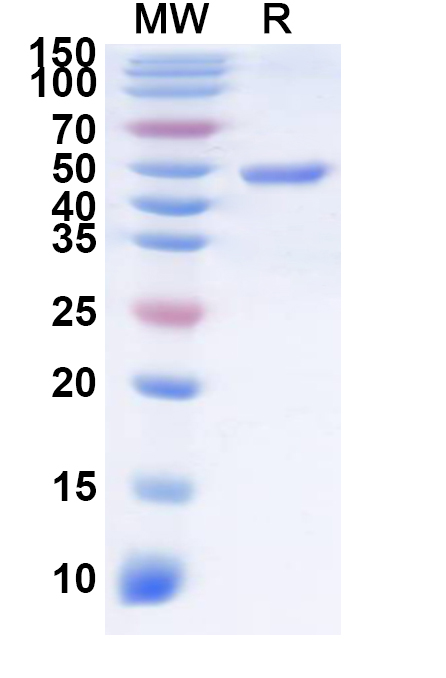
Recombinant viral proteins, such as nucleocapsid protein or envelope glycoproteins, can be used to study antigenicity, epitope recognition, and host-pathogen interactions. Anti-hantavirus antibodies can help identify viral targets, characterize immune responses, and evaluate antibody binding or neutralizing potential in research models.
These reagents can be used across multiple research workflows, including:
Recombinant hantavirus proteins provide defined viral antigens for studying immune recognition and developing research assays. They are particularly useful for evaluating antibody responses, identifying immunodominant regions, and supporting vaccine-related investigations.
By using purified proteins, researchers can perform controlled experiments without relying on infectious viral material, making them valuable tools for safer and more reproducible in vitro studies.
Hantavirus antibodies enable the detection, localization, and characterization of viral proteins in experimental systems. Depending on their specificity, they may be used to compare viral strains, monitor antigen expression, or investigate infection-related cellular changes.
In therapeutic research, antibodies can also support the identification of protective epitopes and help assess whether specific viral regions may be relevant for antibody-based intervention strategies.
High-quality antibodies and recombinant proteins are essential for generating consistent and interpretable results in hantavirus research. With validated reagents, scientists can accelerate assay development, deepen their understanding of hantavirus pathogenesis, and support the discovery of new diagnostic, vaccine, and therapeutic approaches.