Introduction
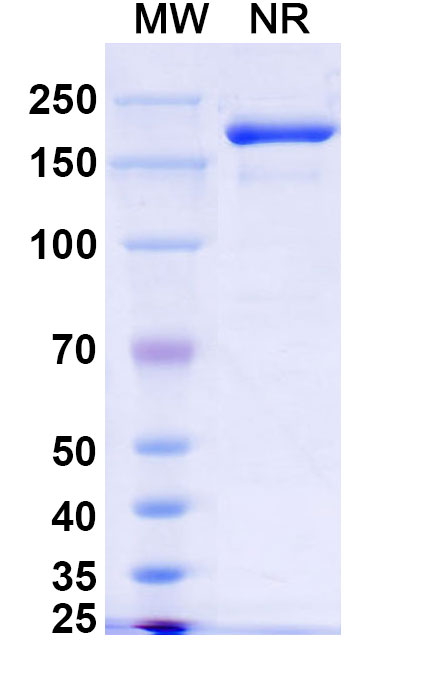
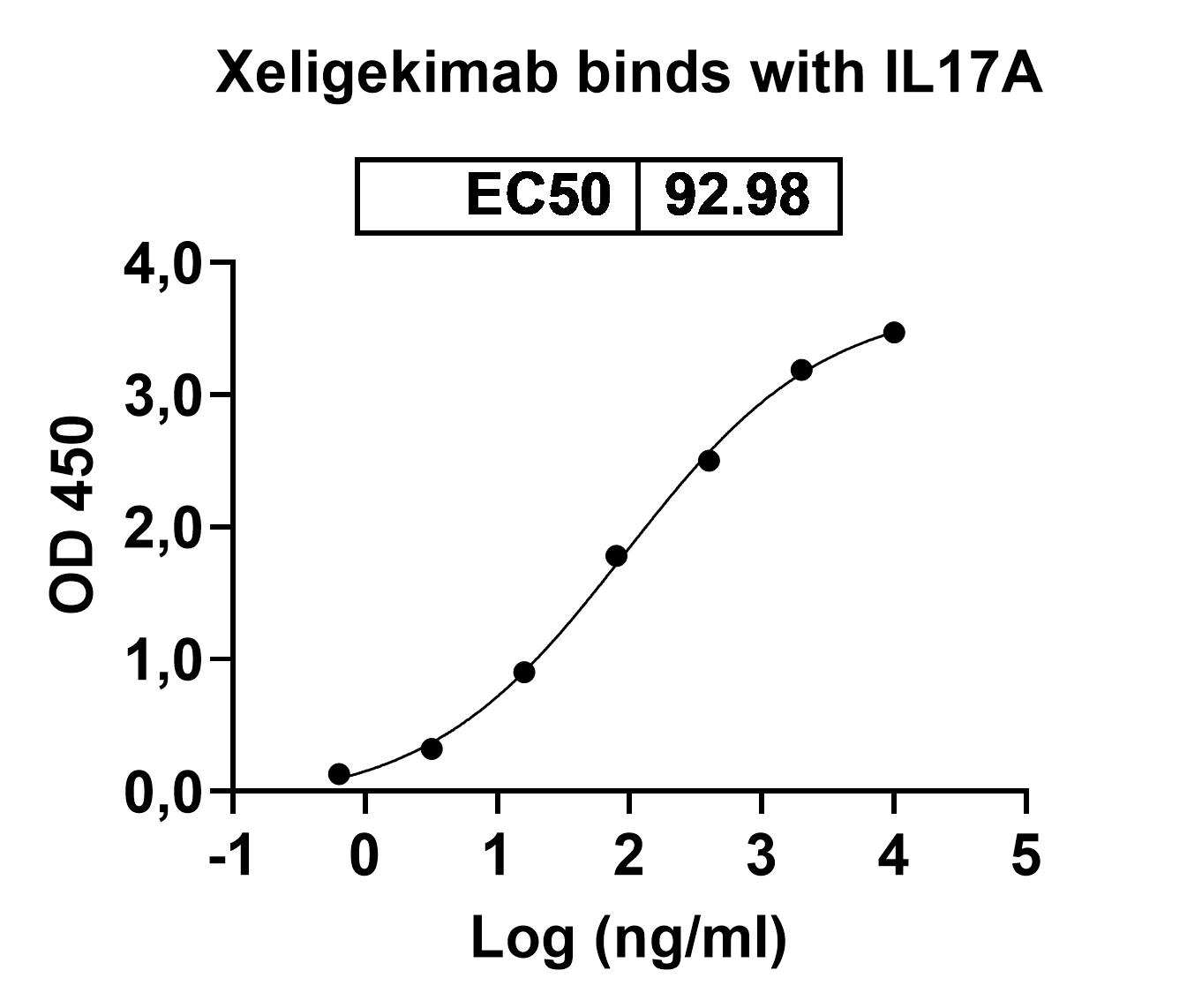
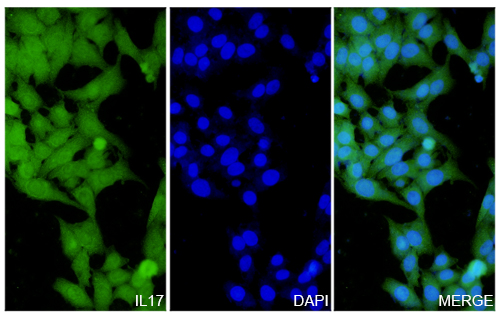
Xeligekimab Biosimilar, also known as Anti-IL17 mAb, is a research grade antibody that targets the cytokine interleukin 17 (IL-17). This antibody has shown promising results in pre-clinical studies and is currently being developed as a potential therapeutic for various inflammatory diseases. In this article, we will discuss the structure, activity, and potential applications of Xeligekimab Biosimilar.
Structure of Xeligekimab Biosimilar
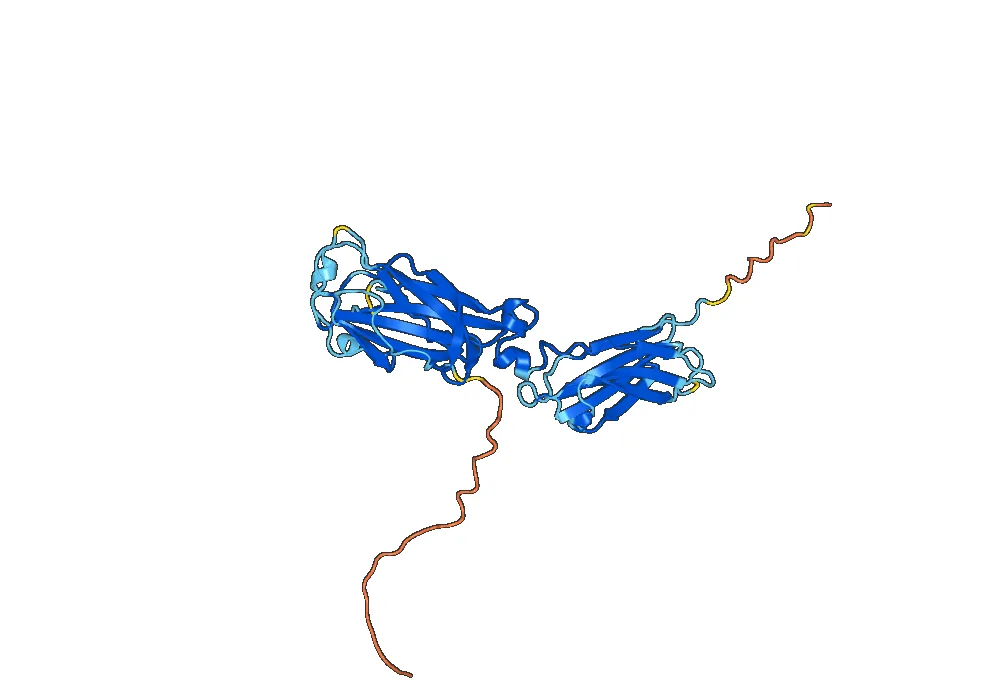
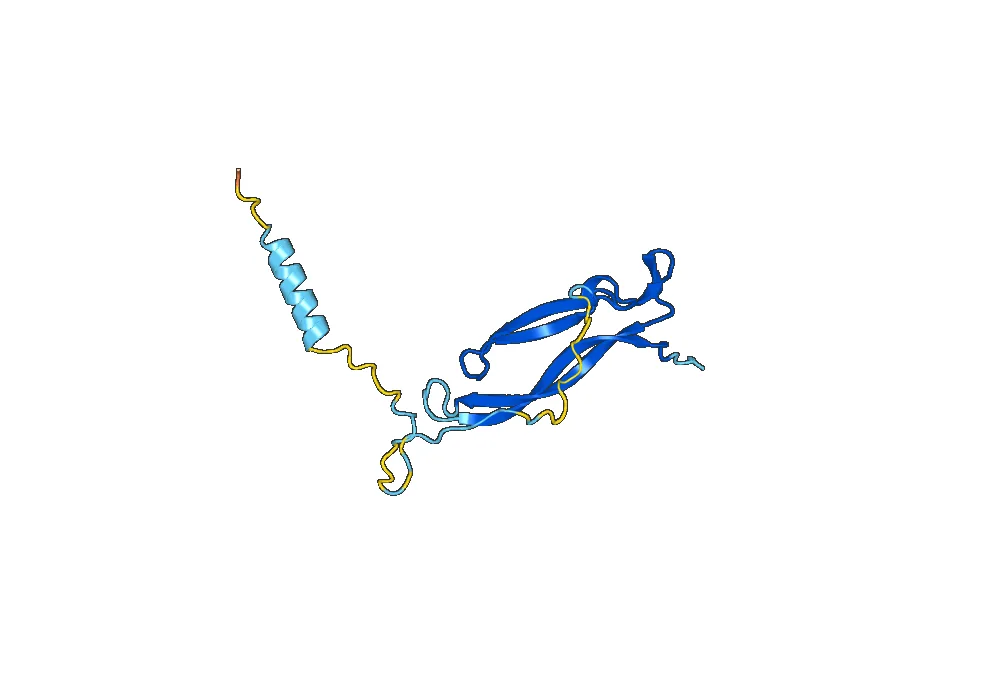
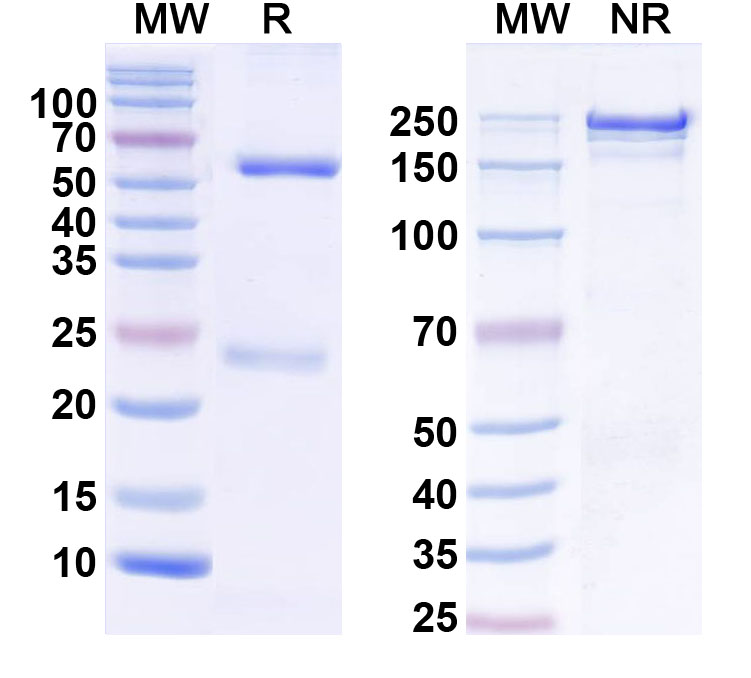
Xeligekimab Biosimilar is a monoclonal antibody (mAb) that specifically binds to IL-17. It is composed of two heavy chains and two light chains, each containing a variable region and a constant region. The variable region is responsible for binding to the target molecule, while the constant region determines the antibody’s effector functions.
The variable region of Xeligekimab Biosimilar is derived from a human antibody, while the constant region is modified to enhance its stability and half-life. This modification is known as antibody engineering and allows for better pharmacokinetics and pharmacodynamics of the antibody.
Activity of Xeligekimab Biosimilar
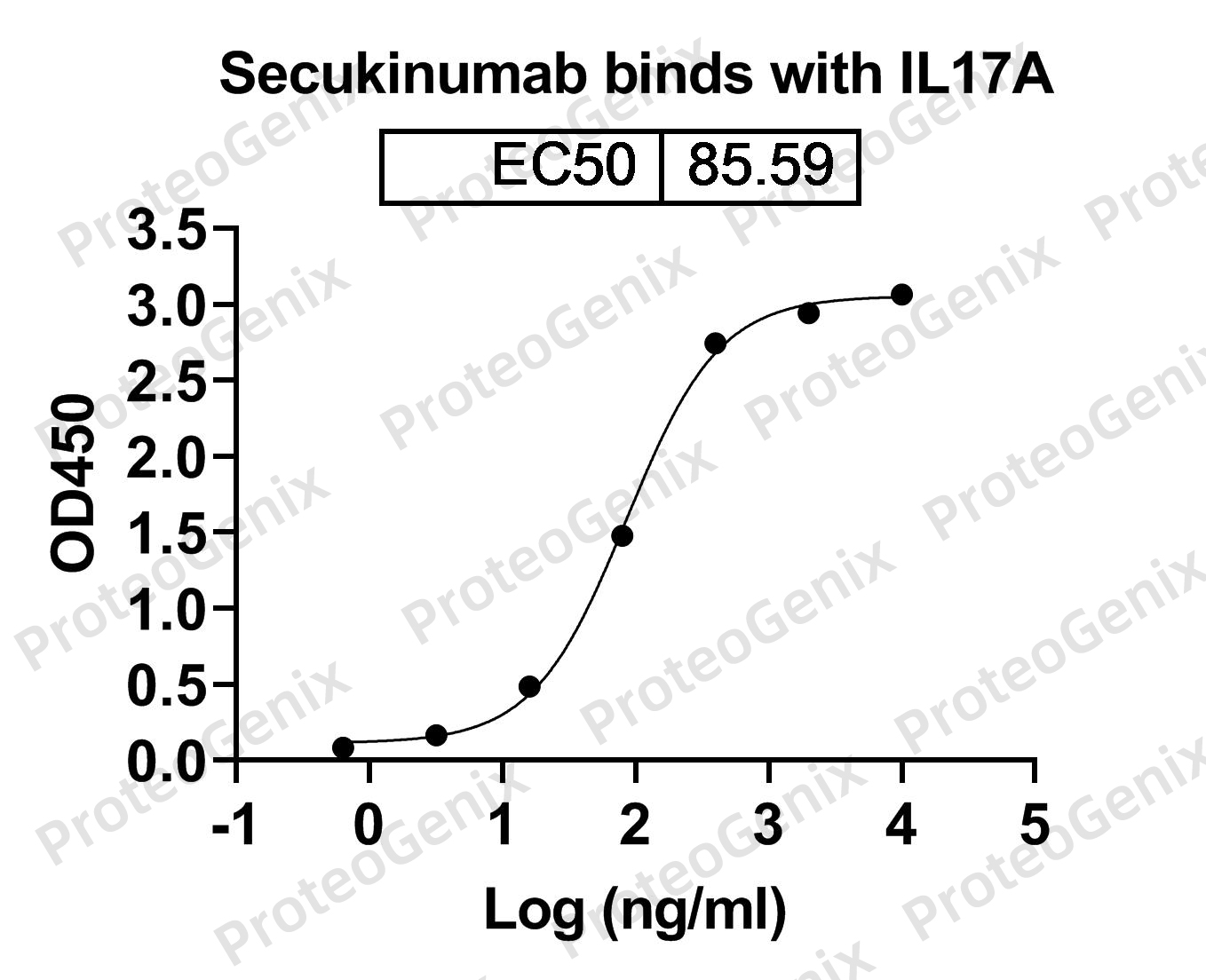
The primary activity of Xeligekimab Biosimilar is to block the activity of IL-17. IL-17 is a pro-inflammatory cytokine that plays a crucial role in various autoimmune and inflammatory diseases. By binding to IL-17, Xeligekimab Biosimilar prevents it from interacting with its receptor and initiating the inflammatory response.
In addition to its primary activity, Xeligekimab Biosimilar also has effector functions such as antibody-dependent cellular cytotoxicity (ADCC) and complement-dependent cytotoxicity (CDC). These functions allow the antibody to recruit immune cells and trigger the destruction of cells that express IL-17, further reducing the inflammatory response.
Potential Applications of Xeligekimab Biosimilar
Xeligekimab Biosimilar has shown promising results in pre-clinical studies for the treatment of various inflammatory diseases, including psoriasis, rheumatoid arthritis, and inflammatory bowel disease. These diseases are characterized by an overproduction of IL-17 and can be effectively treated by blocking its activity.
Moreover, Xeligekimab Biosimilar has the potential to be used in combination with other therapies, such as TNF inhibitors, to provide a more comprehensive treatment approach for these diseases. This antibody also has the potential to be used in other inflammatory conditions, such as asthma and multiple sclerosis, where IL-17 has been implicated.
Conclusion
In conclusion, Xeligekimab Biosimilar is a research grade antibody that targets IL-17 and has shown promising results in pre-clinical studies for the treatment of various inflammatory diseases. Its unique structure and activity make it a potential therapeutic for conditions where IL-17 plays a significant role. Further studies and clinical trials are needed to fully evaluate the efficacy and safety of Xeligekimab Biosimilar in treating these diseases.

There are no reviews yet.