Introduction to Ansuvimab Biosimilar
Ansuvimab Biosimilar, also known as Anti-GP1 surface protein of Ebolavirus mAb – Research Grade, is a monoclonal antibody that has been developed as a biosimilar to the original drug, Ansuvimab. This biosimilar is produced using recombinant DNA technology and is specifically designed to target the GP1 surface protein of the Ebolavirus, making it a potential therapeutic option for treating Ebola virus infections.
Structure of Ansuvimab Biosimilar
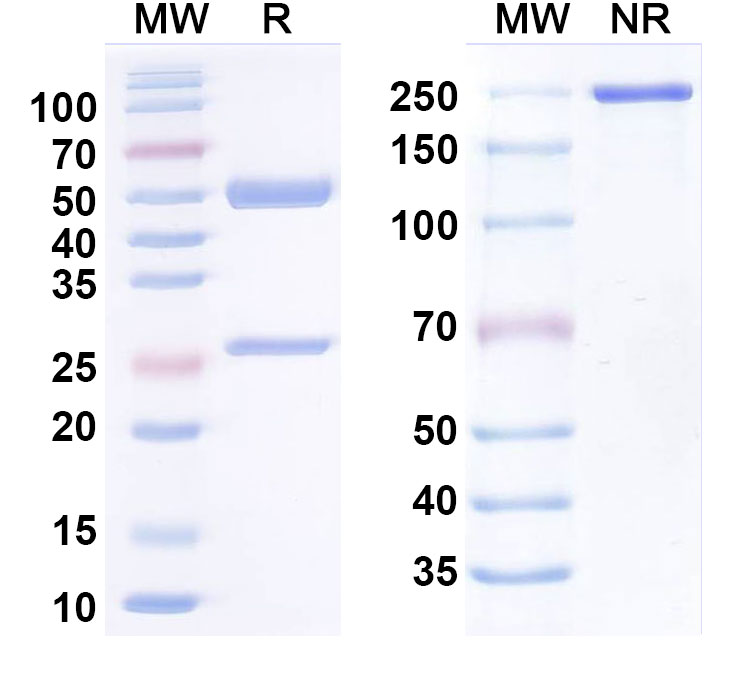
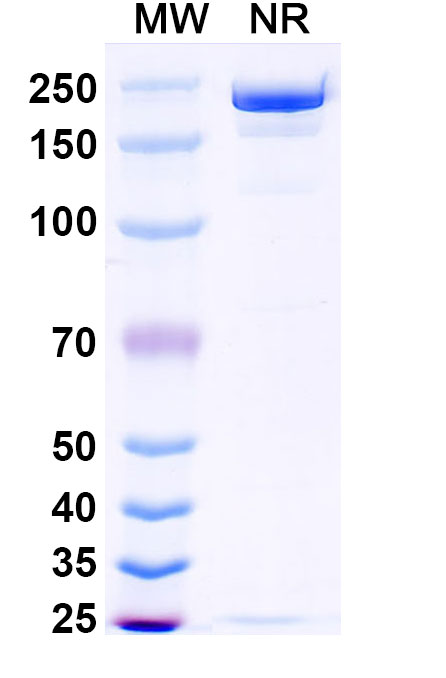
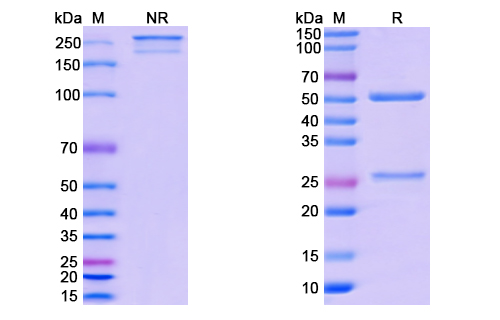
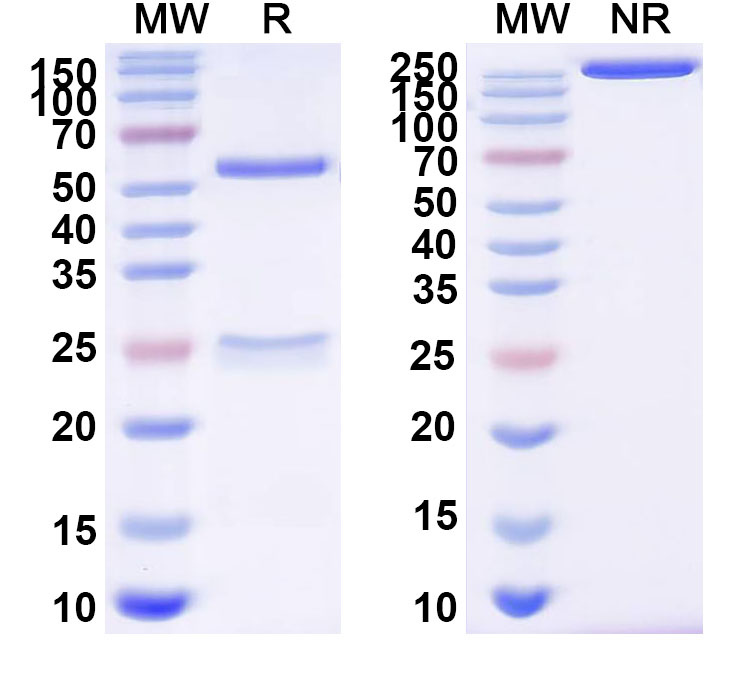
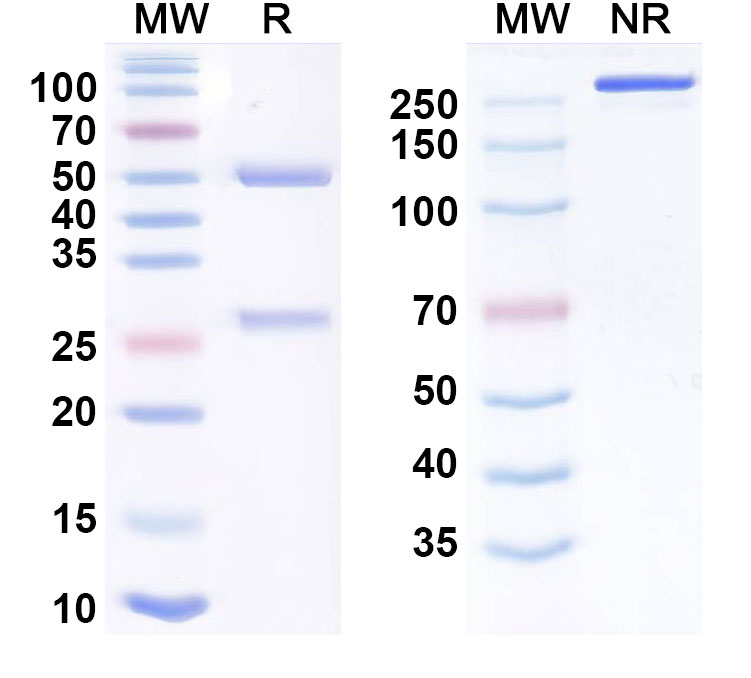
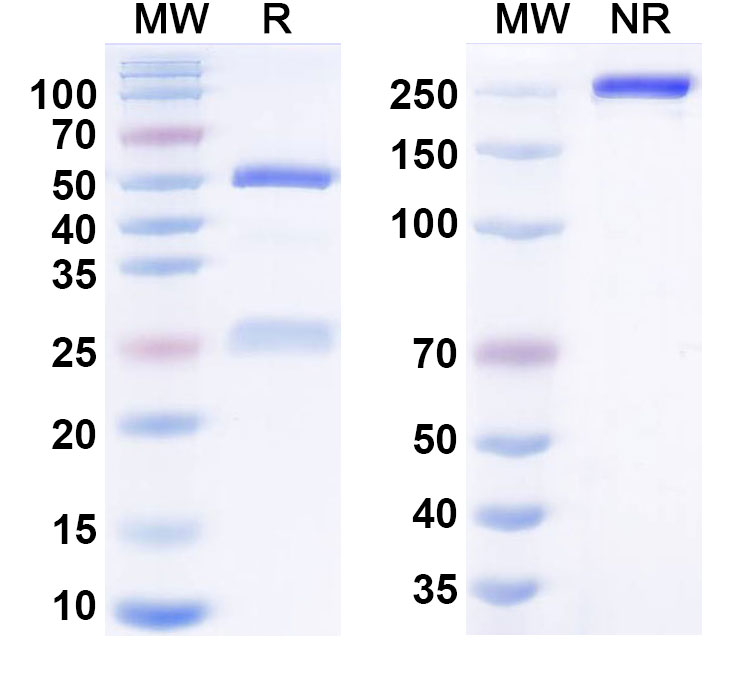
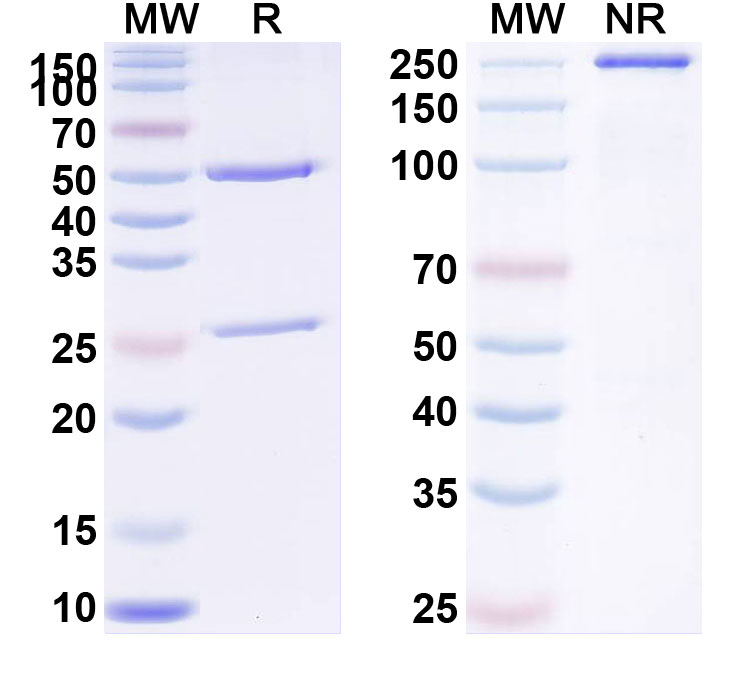
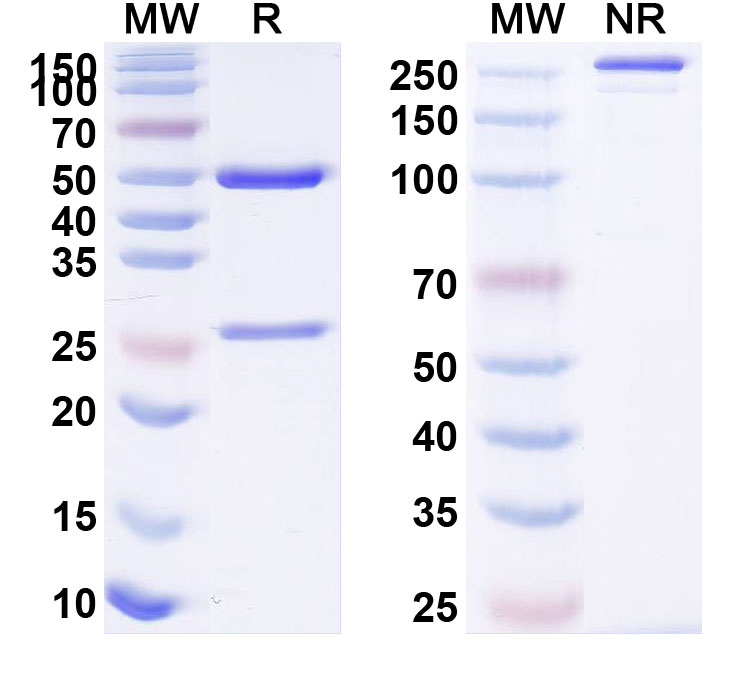
The structure of Ansuvimab Biosimilar is similar to that of the original drug, Ansuvimab. It is a monoclonal antibody that belongs to the immunoglobulin G (IgG) class. It is composed of two heavy chains and two light chains, connected by disulfide bonds. The heavy chains contain a constant region and a variable region, while the light chains only have a variable region.
The variable regions of the heavy and light chains are responsible for binding to the GP1 surface protein of the Ebolavirus. These regions are highly specific and have been engineered to have a high affinity for the GP1 protein, making Ansuvimab Biosimilar a potent therapeutic agent.
Activity of Ansuvimab Biosimilar
Ansuvimab Biosimilar works by binding to the GP1 surface protein of the Ebolavirus, preventing the virus from entering and infecting host cells. This binding also triggers the immune system to attack and eliminate the virus. Additionally, Ansuvimab Biosimilar can also activate the complement system, a part of the immune system that helps in destroying pathogens.
Studies have shown that Ansuvimab Biosimilar has a high affinity for the GP1 protein, with an inhibition constant (Ki) of 1.3 nM. This indicates that it is a potent inhibitor of the Ebolavirus and has the potential to effectively neutralize the virus and prevent its replication.
Application of Ansuvimab Biosimilar
Ansuvimab Biosimilar has been primarily developed as a therapeutic option for treating Ebola virus infections. It can be used in both the prevention and treatment of Ebola, as it has been shown to be effective in neutralizing the virus and preventing its spread.
In addition to its therapeutic application, Ansuvimab Biosimilar can also be used in research and development studies related to the Ebolavirus. Its high specificity and potency make it a valuable tool for studying the virus and its mechanisms of infection. It can also be used in diagnostic assays for detecting the presence of the Ebolavirus.
Conclusion
In conclusion, Ansuvimab Biosimilar is a monoclonal antibody that has been developed as a biosimilar to the original drug, Ansuvimab. It has a similar structure and activity, targeting the GP1 surface protein of the Ebolavirus. With its high specificity and potency, Ansuvimab Biosimilar has the potential to be an effective therapeutic option for treating Ebola virus infections. It can also be used in research and development studies and diagnostic assays related to the Ebolavirus.
There are no reviews yet.