Introduction:
Anti-Bacteriophage M13 Capsid protein G8P Monoclonal Antibody (1A191), Biotin is a highly specific antibody that targets the G8P protein found on the surface of the M13 bacteriophage. This antibody has been extensively studied and has shown promising results in various applications such as diagnostics, therapeutics, and research.
Structure:
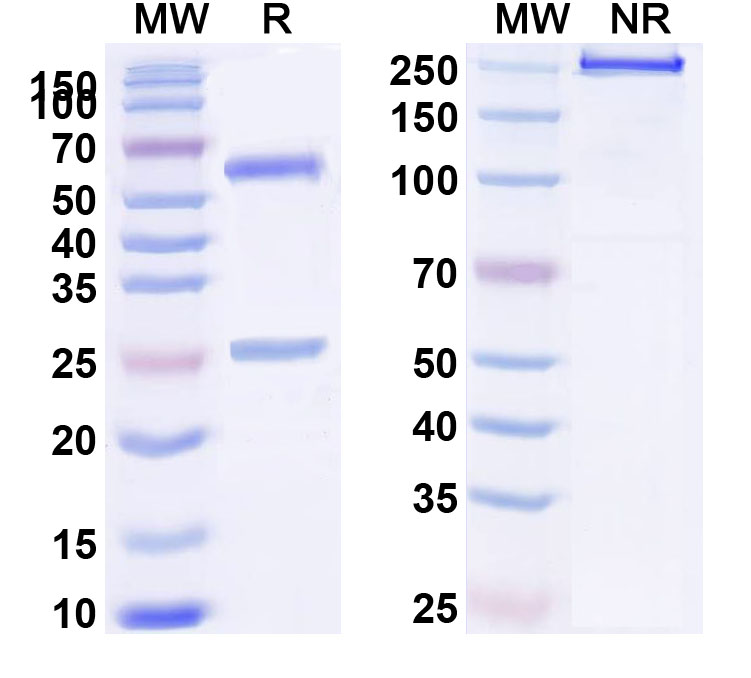
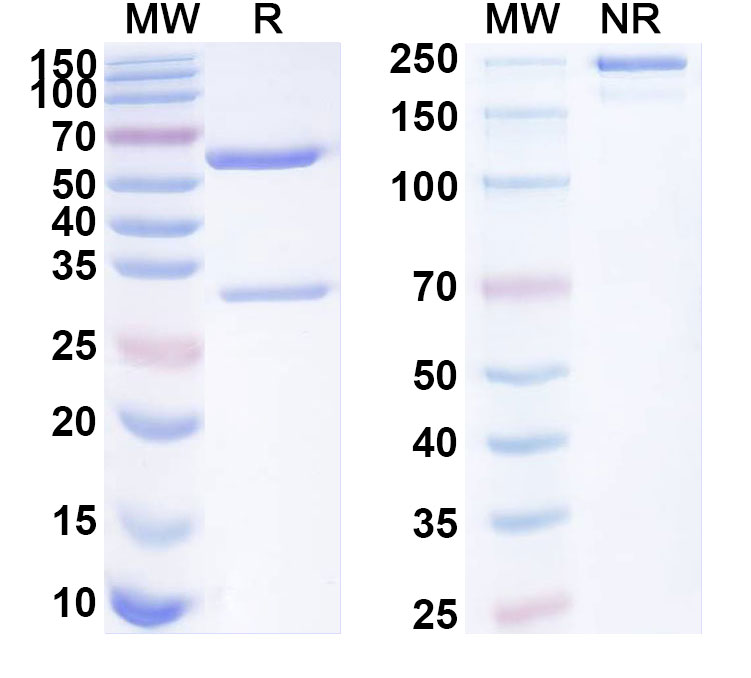
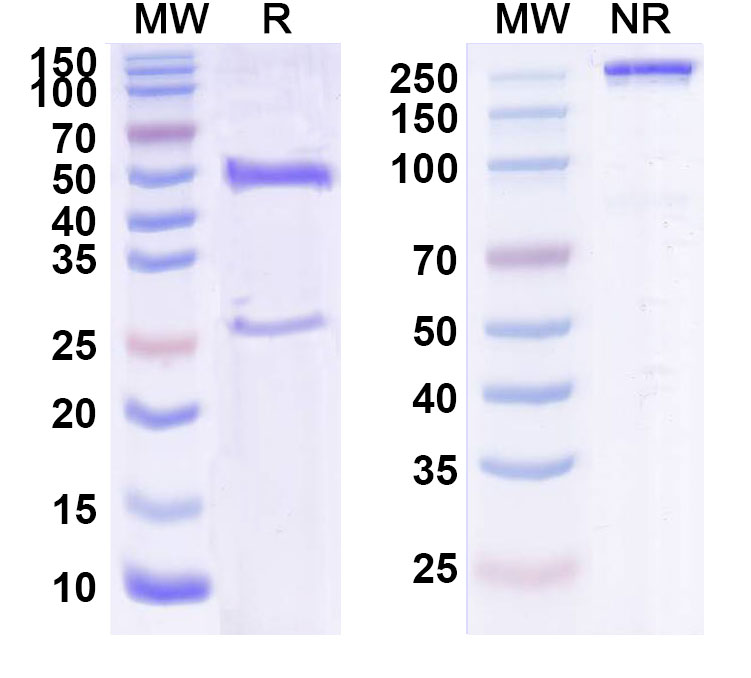
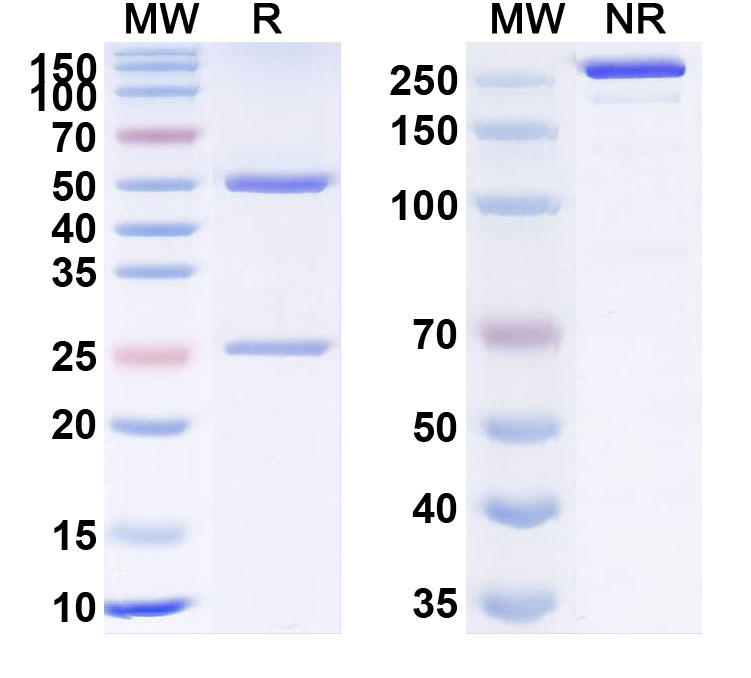
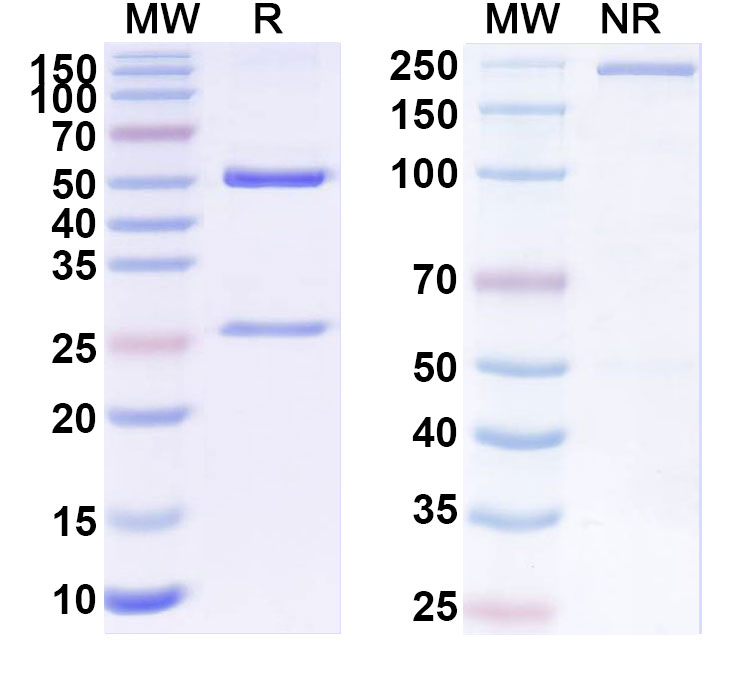
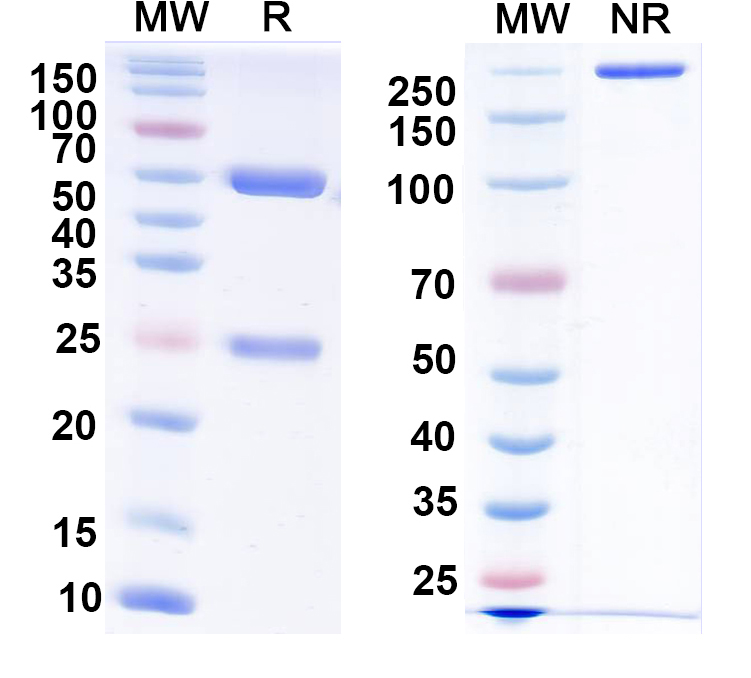
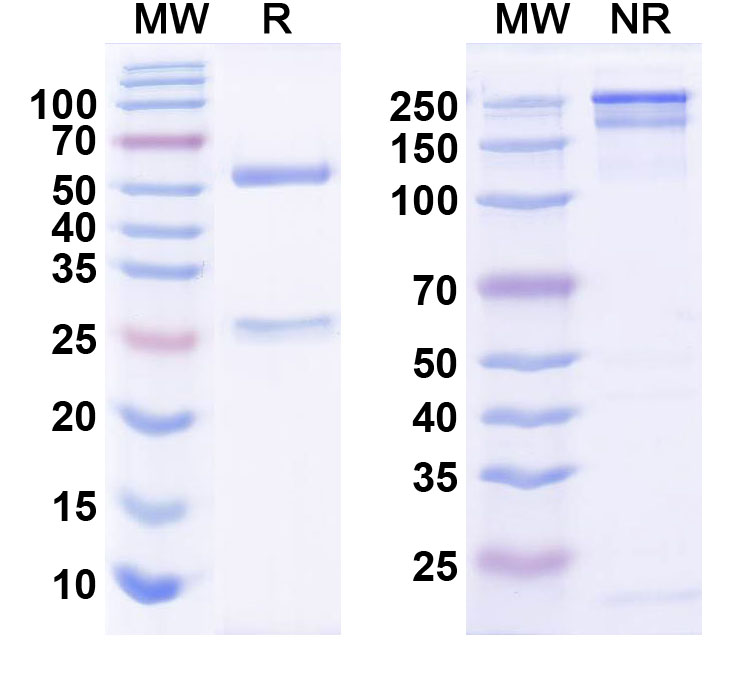
The Anti-Bacteriophage M13 Capsid protein G8P Monoclonal Antibody (1A191), Biotin is a monoclonal antibody, meaning it is produced by a single clone of immune cells. It is a Y-shaped protein molecule consisting of two heavy chains and two light chains. The heavy chains are connected by disulfide bonds and the light chains are connected to the heavy chains by both disulfide bonds and non-covalent interactions. The variable regions of the antibody, also known as the antigen-binding sites, are located at the tips of the Y-shaped molecule and are responsible for recognizing and binding to the G8P protein on the M13 bacteriophage.
Activity:
The main activity of Anti-Bacteriophage M13 Capsid protein G8P Monoclonal Antibody (1A191), Biotin is its ability to specifically bind to the G8P protein on the surface of the M13 bacteriophage. This binding is highly specific and does not cross-react with other proteins or molecules. The antibody binds to the G8P protein with high affinity, making it an effective tool for detection and purification of M13 bacteriophage.
Application:
1. Diagnostics:
Anti-Bacteriophage M13 Capsid protein G8P Monoclonal Antibody (1A191), Biotin has been used in various diagnostic assays for the detection of M13 bacteriophage. It can be used in ELISA, Western blot, and flow cytometry assays to detect the presence of M13 bacteriophage in a sample. The high specificity and sensitivity of this antibody make it a valuable tool for the diagnosis of M13 bacteriophage infections.
2. Therapeutics:
The use of Anti-Bacteriophage M13 Capsid protein G8P Monoclonal Antibody (1A191), Biotin in therapeutics is still in the early stages of research. However, studies have shown that this antibody has the potential to be used as a therapeutic agent for the treatment of M13 bacteriophage infections. It can be conjugated with drugs or toxins to specifically target and kill the M13 bacteriophage, making it a promising candidate for the development of new treatments.
3. Research:
Anti-Bacteriophage M13 Capsid protein G8P Monoclonal Antibody (1A191), Biotin is widely used in research as a tool to study the structure and function of the M13 bacteriophage. Its high specificity and affinity allow for the purification of M13 bacteriophage from complex mixtures, making it an essential reagent for studying the virus. It has also been used in studies to understand the role of the G8P protein in the infection process of the M13 bacteriophage.
Conclusion:
In conclusion, Anti-Bacteriophage M13 Capsid protein G8P Monoclonal Antibody (1A191), Biotin is a highly specific antibody that binds to the G8P protein on the surface of the M13 bacteriophage. Its structure, activity, and applications have been extensively studied, making it a valuable tool in diagnostics, therapeutics, and research. Further research and development of this antibody may lead to new and improved treatments for M13 bacteriophage infections.

There are no reviews yet.