Introduction
Anti-CD29/ITGB1 Antibody (AIIB2) is a monoclonal antibody that specifically binds to the CD29/ITGB1 protein. This protein is a member of the integrin family, which are cell surface receptors involved in cell adhesion and signaling. CD29/ITGB1 is found on the surface of various cell types, including immune cells, endothelial cells, and epithelial cells. The AIIB2 antibody has been extensively studied and has shown promising results in various research areas.
Structure of Anti-CD29/ITGB1 Antibody (AIIB2)
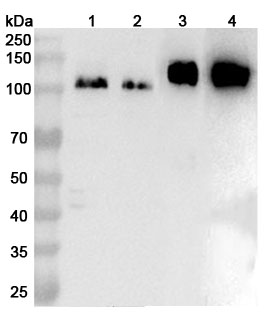
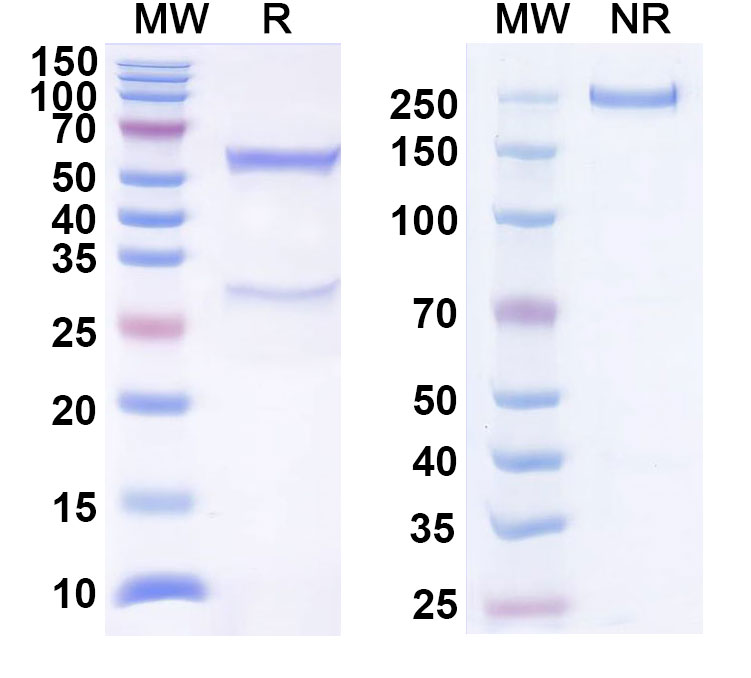
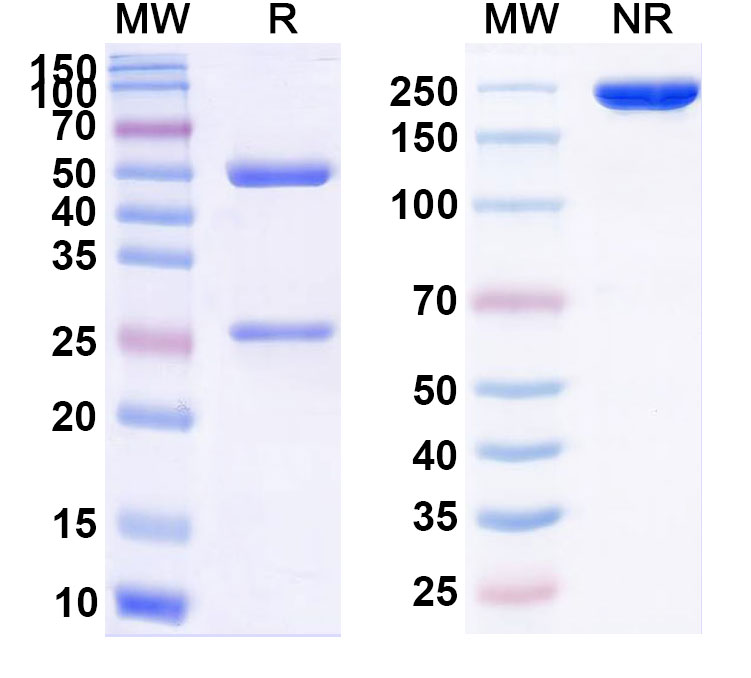
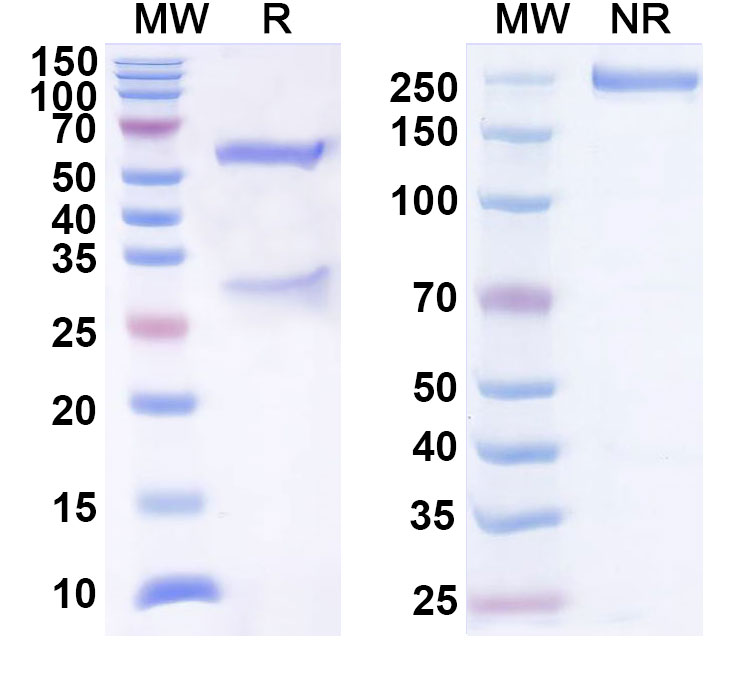
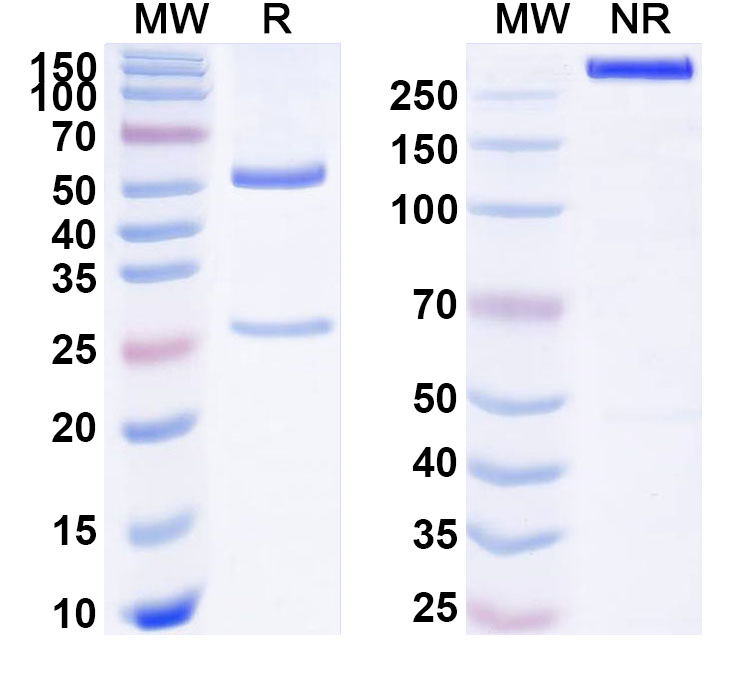
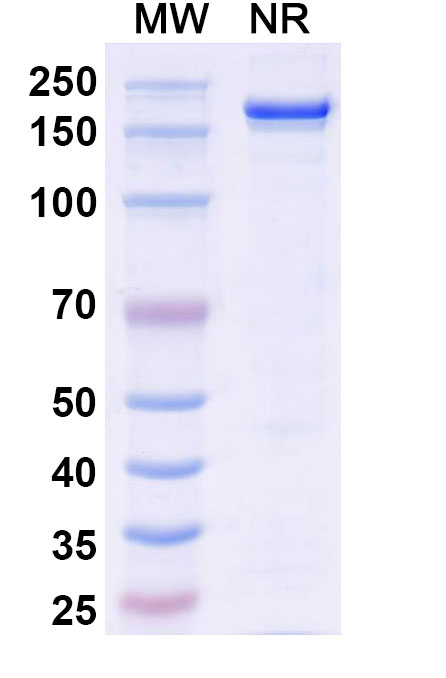
The AIIB2 antibody is a mouse IgG2a monoclonal antibody, with a molecular weight of approximately 150 kDa. It is composed of two heavy chains and two light chains, and has a Y-shaped structure. The antibody binds to the extracellular domain of the CD29/ITGB1 protein, specifically to the beta subunit.
Activity of Anti-CD29/ITGB1 Antibody (AIIB2)
The main activity of AIIB2 antibody is to block the function of CD29/ITGB1 protein. This protein is involved in cell adhesion and signaling, and plays a crucial role in various cellular processes such as cell migration, proliferation, and differentiation. By binding to the beta subunit of CD29/ITGB1, the AIIB2 antibody prevents the interaction between this protein and its ligands, thus inhibiting its activity.
Inhibitory Effects on Cell Adhesion
One of the main functions of CD29/ITGB1 protein is to mediate cell adhesion to the extracellular matrix. This process is essential for cell migration and tissue formation. Studies have shown that the AIIB2 antibody can effectively block the adhesion of various cell types, including T cells, B cells, and endothelial cells, to the extracellular matrix. This inhibition of cell adhesion can have important implications in diseases where excessive cell adhesion plays a role, such as cancer and autoimmune disorders.
Modulation of Cell Signaling
In addition to its role in cell adhesion, CD29/ITGB1 protein also plays a crucial role in cell signaling. This protein is known to activate various signaling pathways, including the PI3K/Akt and MAPK pathways, which are involved in cell survival, proliferation, and differentiation. The AIIB2 antibody has been shown to inhibit the activation of these pathways, thus modulating cell signaling and affecting cell behavior.
Applications of Anti-CD29/ITGB1 Antibody (AIIB2)
The AIIB2 antibody has been extensively used in various research areas, including immunology, cancer biology, and developmental biology. Its ability to block the function of CD29/ITGB1 protein has made it a valuable tool in understanding the role of this protein in different cellular processes.
Immunology
CD29/ITGB1 protein is found on the surface of various immune cells, including T cells, B cells, and natural killer cells. The AIIB2 antibody has been used to study the role of this protein in immune cell activation, migration, and adhesion. It has also been used to investigate the role of CD29/ITGB1 in immune-mediated diseases, such as inflammatory bowel disease and rheumatoid arthritis.
Cancer Biology
The role of CD29/ITGB1 protein in cancer progression and metastasis has been extensively studied. The AIIB2 antibody has been used to block the function of this protein in cancer cells, leading to a decrease in cell proliferation, migration, and invasion. It has also been used in pre-clinical studies as a potential therapeutic agent for cancer treatment.
Developmental Biology
During embryonic development, CD29/ITGB1 protein plays a crucial role in tissue formation and organ development. The AIIB2 antibody has been used to study the function of this protein in various developmental processes

There are no reviews yet.