Anti-Dog IgE Antibody (E6-2A1): A Potent Tool for Allergy Research
Introduction
IgE (Immunoglobulin E) is a type of antibody that plays a crucial role in allergic reactions. When an allergen enters the body, it triggers the production of IgE, which then binds to mast cells and basophils, leading to the release of histamine and other inflammatory mediators. This results in the characteristic symptoms of allergies, such as itching, sneezing, and swelling. To better understand and treat allergies, scientists have developed specific antibodies against IgE, including the Anti-Dog IgE Antibody (E6-2A1). In this article, we will explore the structure, activity, and applications of this potent research tool.
Structure of Anti-Dog IgE Antibody (E6-2A1)
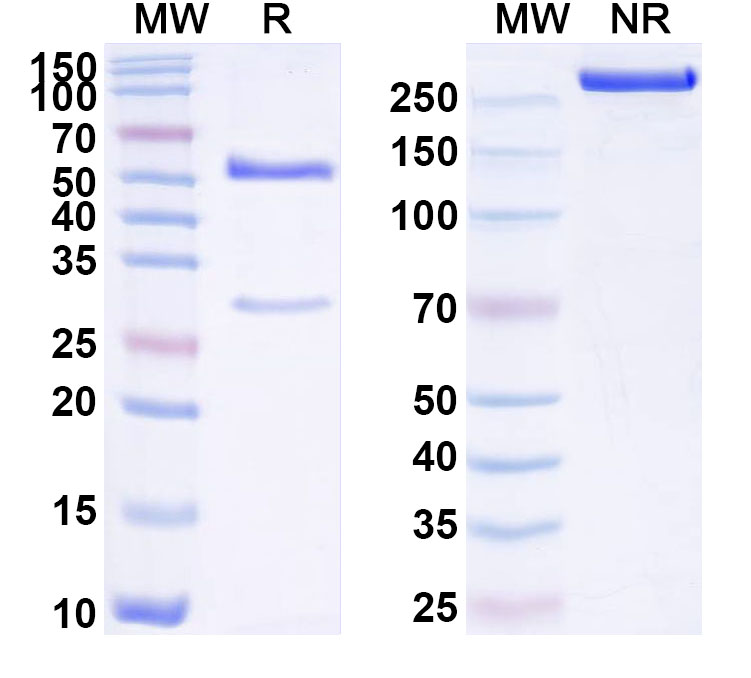
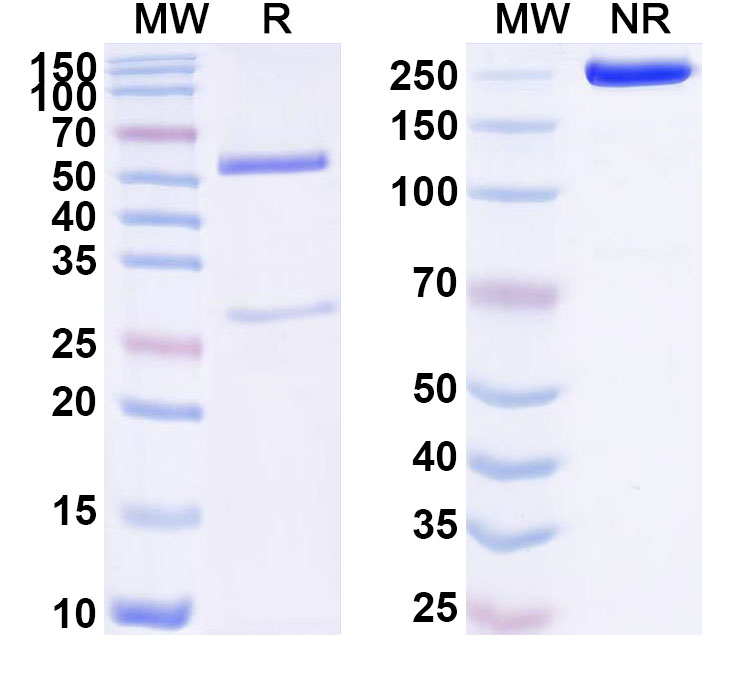
Anti-Dog IgE Antibody (E6-2A1) is a monoclonal antibody, meaning it is produced by a single clone of B cells and is therefore highly specific in targeting a particular antigen. It is derived from a hybridoma cell line generated by fusing a mouse myeloma cell with B cells from a mouse immunized with dog IgE. The antibody has a molecular weight of approximately 150 kDa and belongs to the IgG subclass.
The structure of Anti-Dog IgE Antibody (E6-2A1) is composed of two identical heavy chains and two identical light chains, held together by disulfide bonds. Each chain contains variable and constant regions, with the variable regions responsible for binding to specific antigens. The constant regions determine the antibody’s effector functions, such as complement activation and binding to Fc receptors on immune cells.
Activity of Anti-Dog IgE Antibody (E6-2A1)
Anti-Dog IgE Antibody (E6-2A1) is a potent inhibitor of IgE-mediated allergic reactions. It binds specifically to dog IgE, preventing it from binding to mast cells and basophils. This blocks the release of histamine and other inflammatory mediators, effectively reducing the symptoms of allergies.
In addition to its inhibitory activity, Anti-Dog IgE Antibody (E6-2A1) also has diagnostic and research applications. It can be used in immunoassays to detect the presence of dog IgE in biological samples, making it a valuable tool for allergy diagnosis. The antibody can also be used in research studies to investigate the mechanisms of allergic reactions and to develop new treatments for allergies.
Applications of Anti-Dog IgE Antibody (E6-2A1)
Anti-Dog IgE Antibody (E6-2A1) has a wide range of applications in both clinical and research settings. Some of the specific applications include:
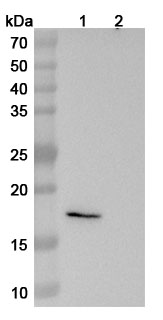
1. Allergy diagnosis: Anti-Dog IgE Antibody (E6-2A1) can be used in immunoassays, such as ELISA and Western blot, to detect the presence of dog IgE in blood or other biological samples. This can help in the diagnosis of dog allergies in humans.
2. Allergy treatment: By blocking the binding of dog IgE to mast cells and basophils, Anti-Dog IgE Antibody (E6-2A1) can alleviate the symptoms of dog allergies. It can be used as a therapeutic agent in the form of injections or nasal sprays.
3. Allergy research: The antibody can be used in in vitro and in vivo studies to investigate the mechanisms of allergic reactions and to develop new treatments for allergies. It can also be used to study the role of IgE in other diseases, such as asthma and eczema.
4. Veterinary medicine: Anti-Dog IgE Antibody (E6-2A1) can be used in veterinary medicine to diagnose and treat allergies in dogs. It can also be used in research studies to understand the immunology of allergies in dogs and develop new treatments.
Conclusion
In summary, Anti-Dog IgE Antibody (E6-2A1) is a highly specific and potent research tool for

There are no reviews yet.