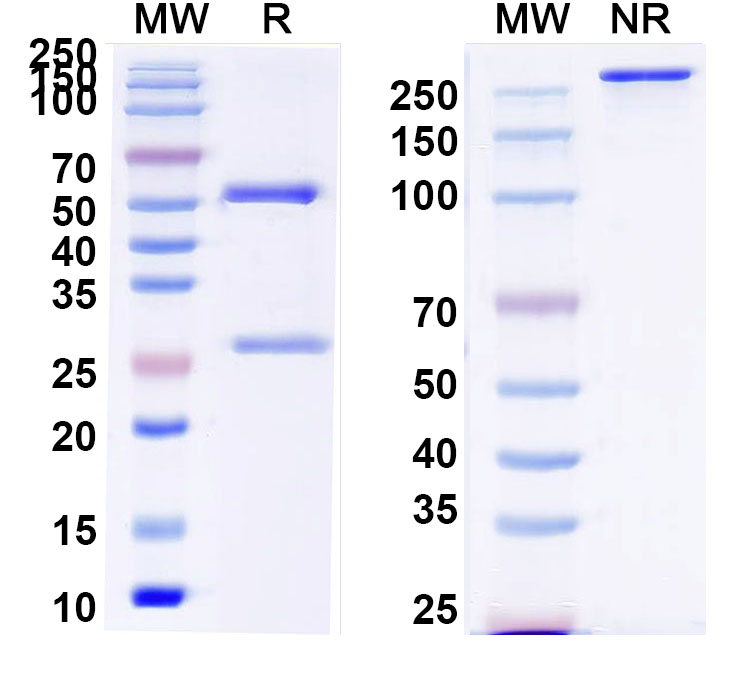
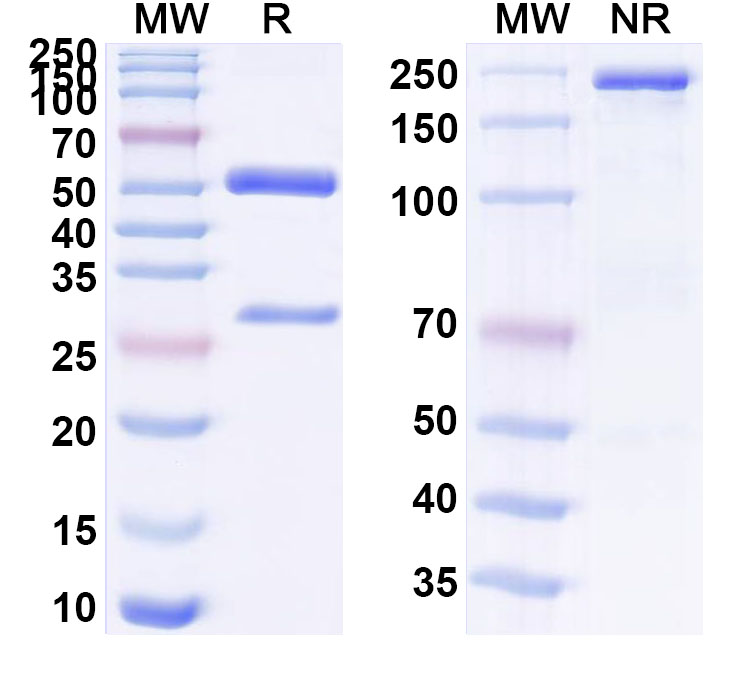
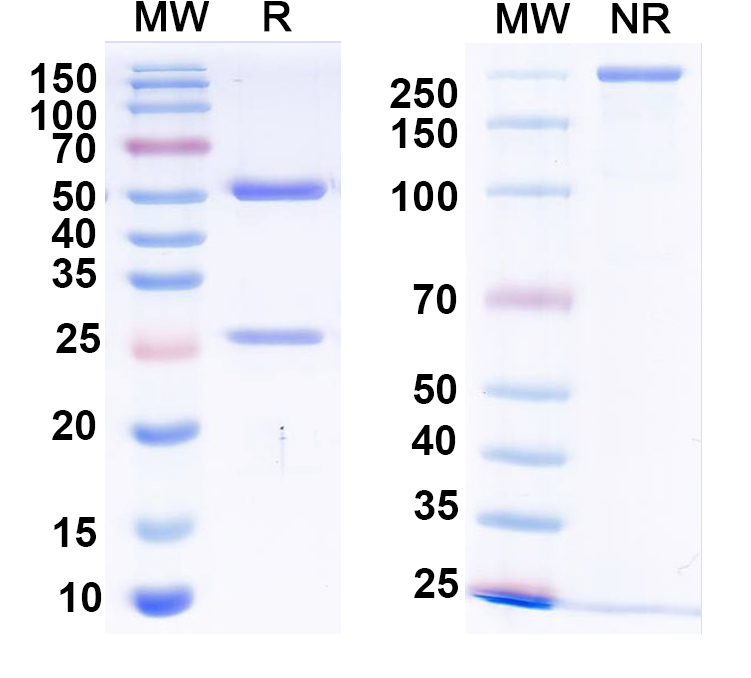
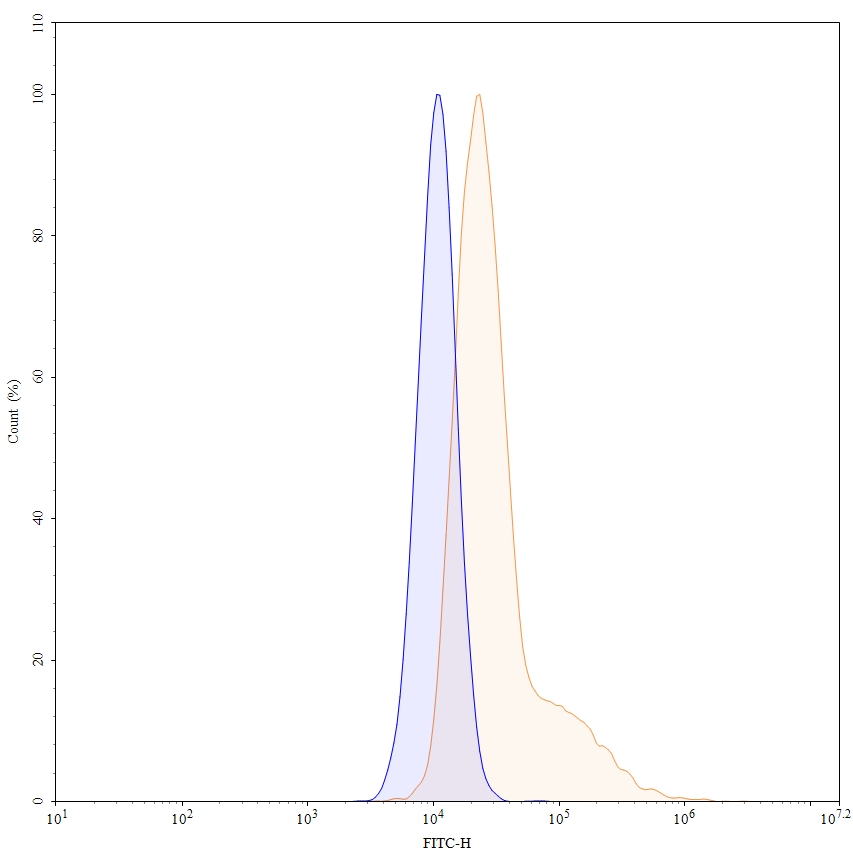
The Anti-Human A2AR/ADORA2A Antibody (1B5-3D7) is a highly specific and potent antibody that targets the A2A adenosine receptor (ADORA2A), a G protein-coupled receptor that plays a crucial role in regulating various cellular processes. This antibody has been extensively validated and is suitable for a wide range of applications in the field of biotechnology.
One of the main functions of the Anti-Human A2AR/ADORA2A Antibody is to block the activity of the ADORA2A receptor. This receptor is known to be involved in the regulation of immune response, inflammation, and neurotransmission. By inhibiting its activity, this antibody can modulate these processes and potentially provide therapeutic benefits.
This antibody has been widely used in research studies to investigate the role of ADORA2A in various diseases and conditions. It has been shown to be effective in blocking the pro-inflammatory effects of ADORA2A in diseases such as rheumatoid arthritis and asthma. Additionally, it has been used to study the role of ADORA2A in cancer, cardiovascular diseases, and neurological disorders.
The Anti-Human A2AR/ADORA2A Antibody has also been used in experimental models to elucidate the mechanisms of action of ADORA2A and its potential as a therapeutic target. It has been shown to effectively block ADORA2A signaling and reduce the severity of symptoms in animal models of various diseases.
This antibody is highly specific and has minimal cross-reactivity with other adenosine receptors, making it a reliable tool for studying the specific functions of ADORA2A. It is available in a variety of formats, including monoclonal and polyclonal antibodies, to suit different experimental needs.
In summary, the Anti-Human A2AR/ADORA2A Antibody (1B5-3D7) is a valuable tool for researchers studying the role of ADORA2A in various diseases and conditions. Its high specificity and potency make it a reliable choice for blocking ADORA2A activity and investigating its functions. Choose this antibody for your research needs and unlock the potential of ADORA2A as a therapeutic target.

There are no reviews yet.