Title: Introduction to Anti-Human ANXA1 Monoclonal Antibody (1A506)
Anti-Human ANXA1 Monoclonal Antibody (1A506) is a highly specific antibody that targets the human Annexin A1 (ANXA1) protein. This antibody has been extensively studied and has shown promising results in various research areas, making it a valuable tool for scientists and researchers.
Structure of Anti-Human ANXA1 Monoclonal Antibody (1A506)
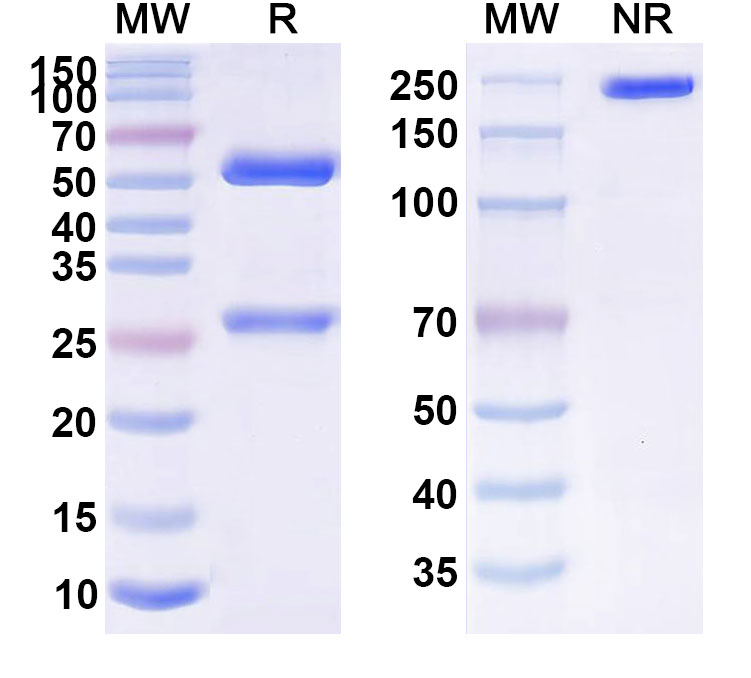
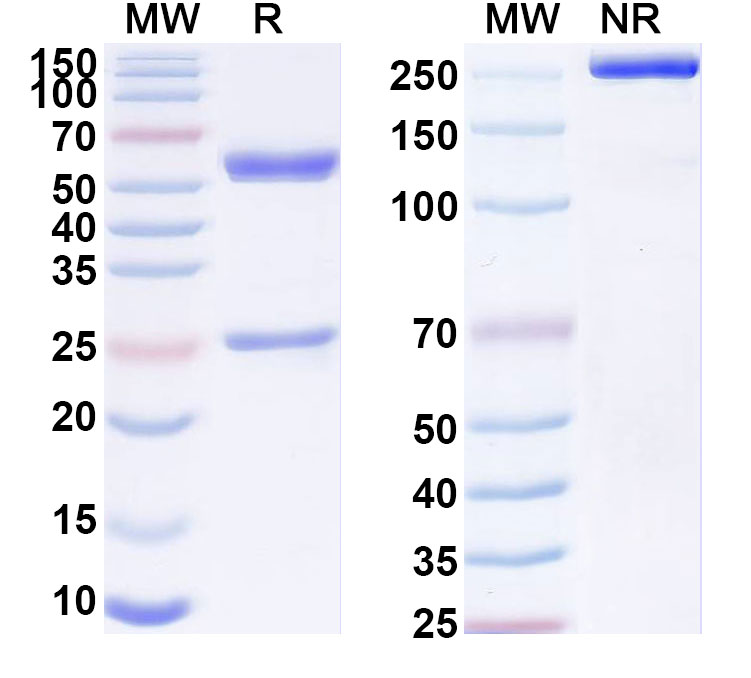
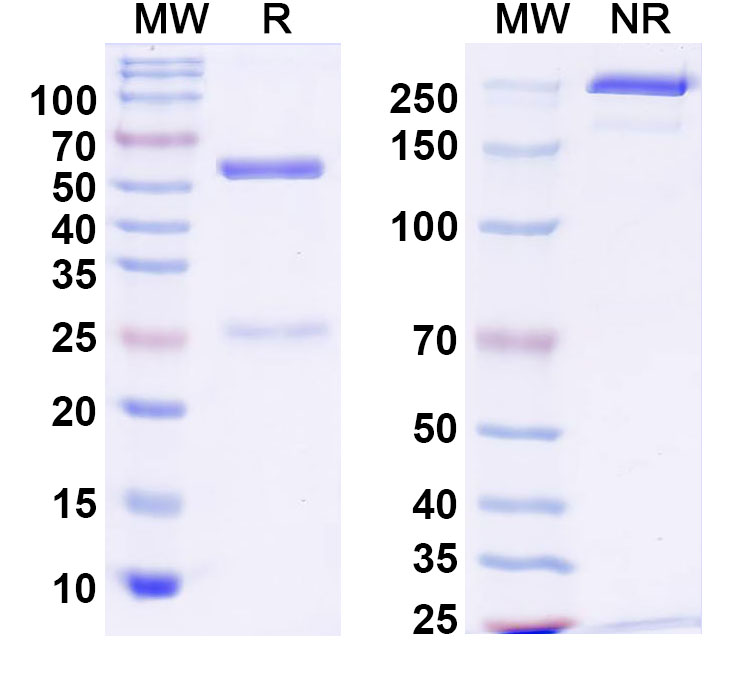
Anti-Human ANXA1 Monoclonal Antibody (1A506) is a monoclonal antibody, meaning it is produced from a single clone of cells. It is a type of immunoglobulin G (IgG) antibody, which is the most abundant type of antibody found in the human body. This antibody has a molecular weight of approximately 150 kDa and is composed of two heavy chains and two light chains.
The antibody is composed of two regions – the variable region and the constant region. The variable region is responsible for binding to the ANXA1 protein, while the constant region determines the antibody’s effector functions, such as activating the immune system to target and eliminate the ANXA1 protein.
Activity of Anti-Human ANXA1 Monoclonal Antibody (1A506)
Anti-Human ANXA1 Monoclonal Antibody (1A506) specifically targets the ANXA1 protein, which is a calcium-dependent phospholipid-binding protein. ANXA1 plays a crucial role in various cellular processes, including inflammation, cell growth, and apoptosis. It is also involved in the regulation of the immune response, making it an important target for research.
By binding to the ANXA1 protein, Anti-Human ANXA1 Monoclonal Antibody (1A506) inhibits its activity and disrupts its function. This can lead to a decrease in inflammation, cell growth, and immune response, making it a potential therapeutic agent for various diseases.
Applications of Anti-Human ANXA1 Monoclonal Antibody (1A506)
1. Inflammation research: ANXA1 is known to play a crucial role in the regulation of inflammation. Anti-Human ANXA1 Monoclonal Antibody (1A506) is a valuable tool for studying the role of ANXA1 in inflammation and its potential as a therapeutic target for inflammatory diseases.
2. Cancer research: ANXA1 has been linked to tumor growth and metastasis in various types of cancer. Anti-Human ANXA1 Monoclonal Antibody (1A506) has shown promising results in inhibiting tumor growth and metastasis in pre-clinical studies, making it a potential candidate for cancer therapy.
3. Autoimmune diseases: ANXA1 has been implicated in the pathogenesis of autoimmune diseases, such as rheumatoid arthritis and multiple sclerosis. Anti-Human ANXA1 Monoclonal Antibody (1A506) has shown efficacy in reducing disease severity in animal models, making it a promising therapeutic option for these diseases.
4. Drug development: ANXA1 has been identified as a potential target for drug development in various diseases. Anti-Human ANXA1 Monoclonal Antibody (1A506) can be used to screen and validate potential drug candidates that target the ANXA1 protein.
Conclusion
Anti-Human ANXA1 Monoclonal Antibody (1A506) is a highly specific antibody that targets the ANXA1 protein and has shown promising results in various research areas. Its structure, activity, and applications make it a valuable tool for scientists and researchers in their quest to understand and treat various diseases. Further studies and clinical trials are needed to fully explore the potential of this antibody as a therapeutic agent.

There are no reviews yet.