Introduction
The Anti-Human ARG1 Monoclonal Antibody (1A492) is a powerful tool for studying the enzyme arginase 1 (ARG1) in human cells. This antibody specifically binds to ARG1 and can be used for various applications in research, including Western blotting, immunofluorescence, and immunohistochemistry. In this article, we will discuss the structure, activity, and applications of this antibody in detail.
Structure of Anti-Human ARG1 Monoclonal Antibody (1A492)
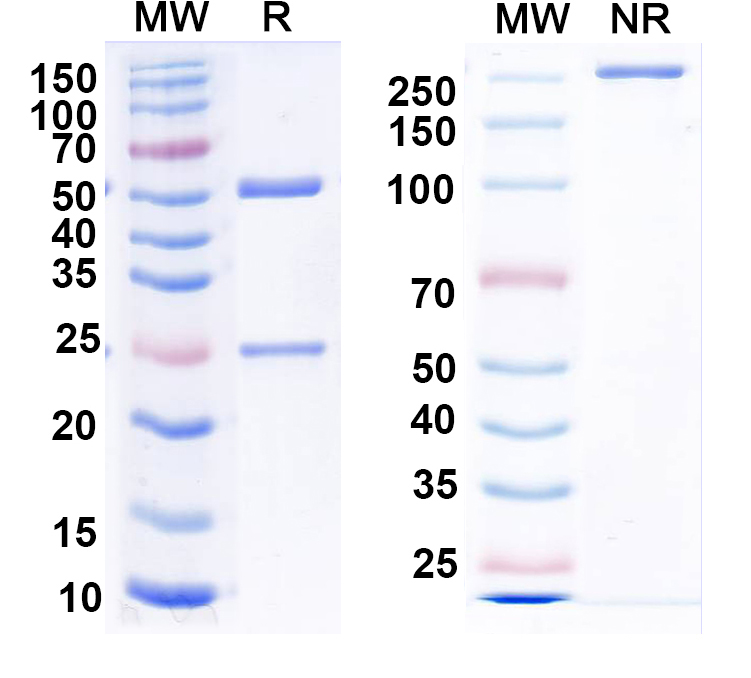
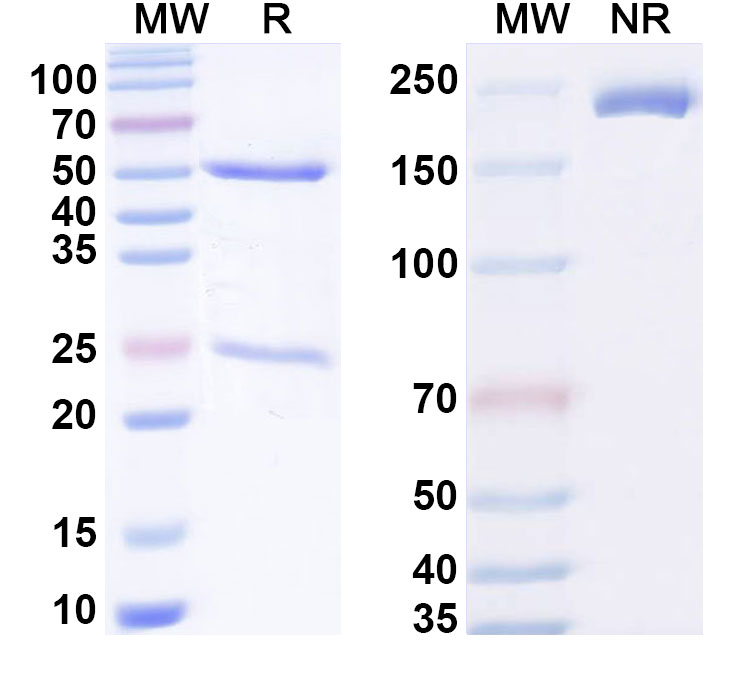
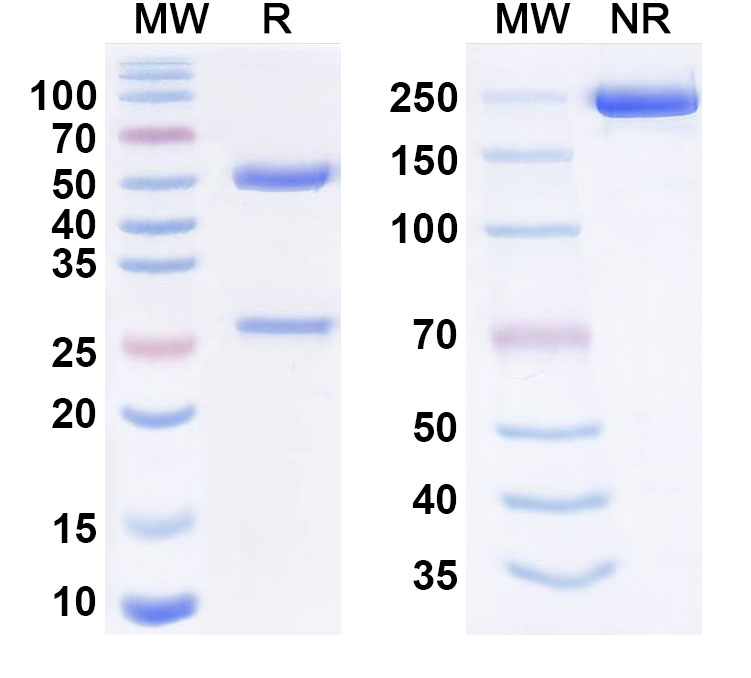
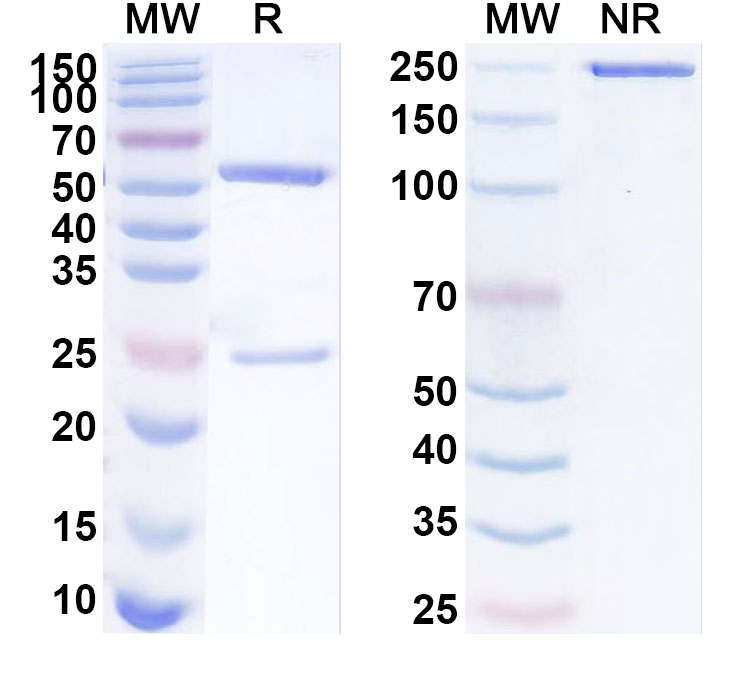
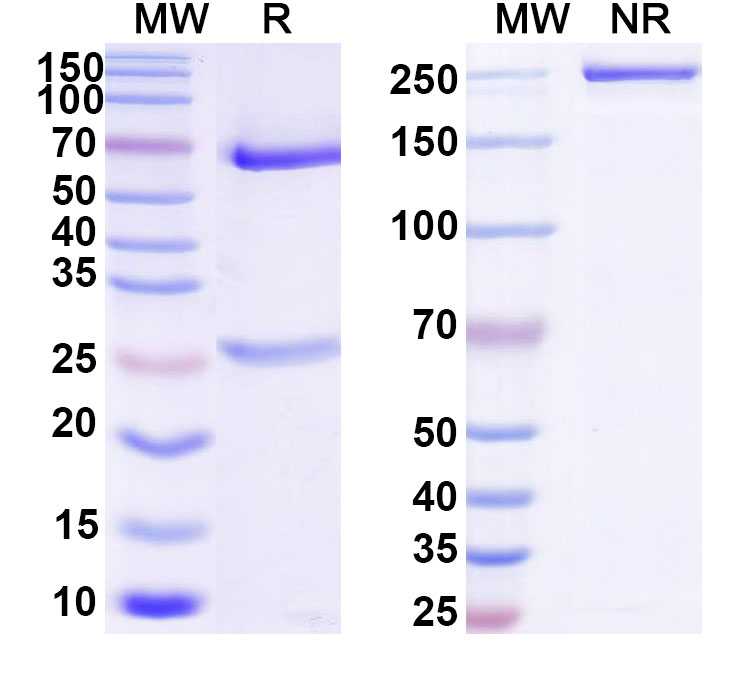
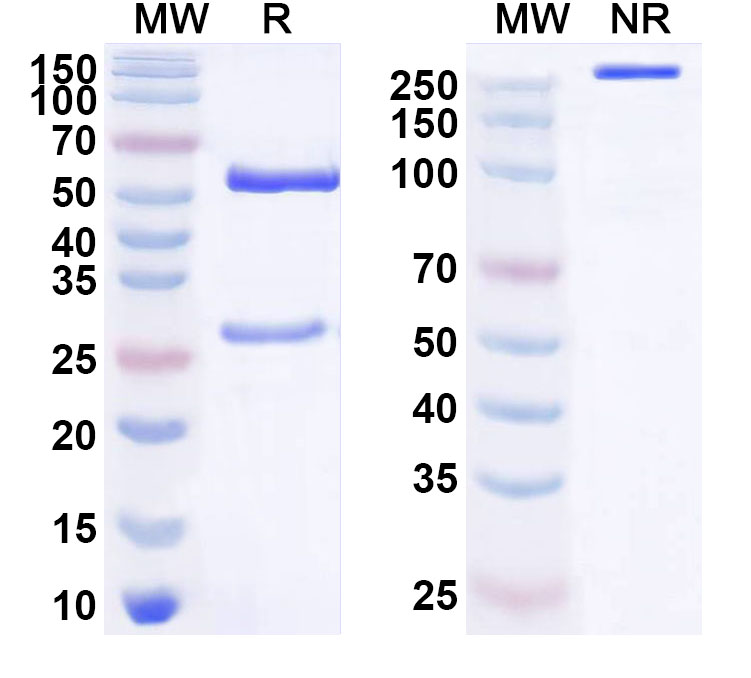
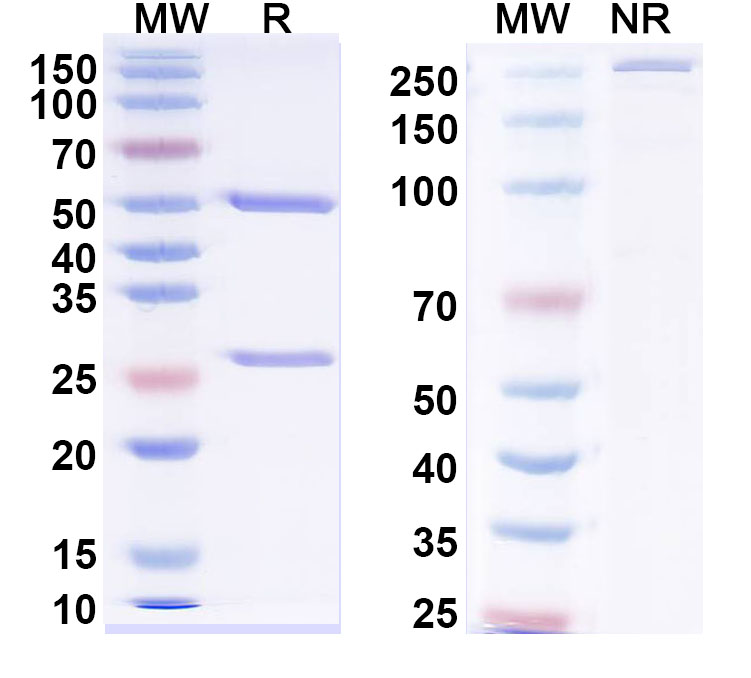
The Anti-Human ARG1 Monoclonal Antibody (1A492) is a type of monoclonal antibody, which means it is produced by a single clone of B cells and is highly specific to its target antigen, ARG1. This antibody is composed of two heavy chains and two light chains, which are connected by disulfide bonds. The variable regions of the antibody, which determine its specificity, are located at the tips of the heavy and light chains. The constant regions of the antibody provide stability and effector functions.
The Anti-Human ARG1 Monoclonal Antibody (1A492) is produced in a laboratory setting using hybridoma technology. This involves fusing a B cell from an immunized mouse with a myeloma cell, resulting in a hybrid cell line that can continuously produce large quantities of the desired antibody.
Activity of Anti-Human ARG1 Monoclonal Antibody (1A492)
The primary function of the Anti-Human ARG1 Monoclonal Antibody (1A492) is to bind to ARG1 and inhibit its activity. ARG1 is an enzyme that catalyzes the conversion of the amino acid arginine to ornithine and urea. This enzyme is involved in the urea cycle, which plays a crucial role in the metabolism of nitrogen in the body.
Inhibition of ARG1 by the Anti-Human ARG1 Monoclonal Antibody (1A492) can lead to an increase in arginine levels and a decrease in ornithine and urea levels. This can be useful in studying the role of ARG1 in various biological processes, such as cancer, inflammation, and immune response.
Applications of Anti-Human ARG1 Monoclonal Antibody (1A492)
The Anti-Human ARG1 Monoclonal Antibody (1A492) has a wide range of applications in research. Some of the most common applications include:
1. Western blotting
This technique involves separating proteins based on their size using gel electrophoresis and then transferring them onto a membrane. The Anti-Human ARG1 Monoclonal Antibody (1A492) can be used to detect the presence and quantity of ARG1 in a sample, providing valuable information about its expression and activity.
2. Immunofluorescence
Immunofluorescence is a technique that uses fluorescently-labeled antibodies to visualize specific proteins in cells or tissues. The Anti-Human ARG1 Monoclonal Antibody (1A492) can be used in this technique to specifically stain and visualize ARG1 in cells, allowing for the study of its localization and distribution.
3. Immunohistochemistry
Similar to immunofluorescence, immunohistochemistry uses antibodies to detect specific proteins in tissue sections. The Anti-Human ARG1 Monoclonal Antibody (1A492) can be used in this technique to study the expression and localization of ARG1 in various tissues, providing insights into its role in different physiological processes.
4. Inhibition studies
The ability of the Anti-Human ARG1 Monoclonal Antibody (1A492) to inhibit ARG1 activity can be utilized in various inhibition studies. This can help researchers
There are no reviews yet.