Introduction to Anti-Human BCL6 Monoclonal Antibody (1A700)
Anti-Human BCL6 Monoclonal Antibody (1A700) is a powerful tool used in the field of immunology to study the function and role of the BCL6 protein. BCL6 is a transcriptional repressor that plays a crucial role in the regulation of immune responses, cell differentiation, and cell survival. Dysregulation of BCL6 has been linked to various diseases, including lymphomas, autoimmune disorders, and inflammatory diseases. The development of Anti-Human BCL6 Monoclonal Antibody (1A700) has provided researchers with a valuable tool to investigate the structure, activity, and application of BCL6 in various biological processes.
Structure of Anti-Human BCL6 Monoclonal Antibody (1A700)
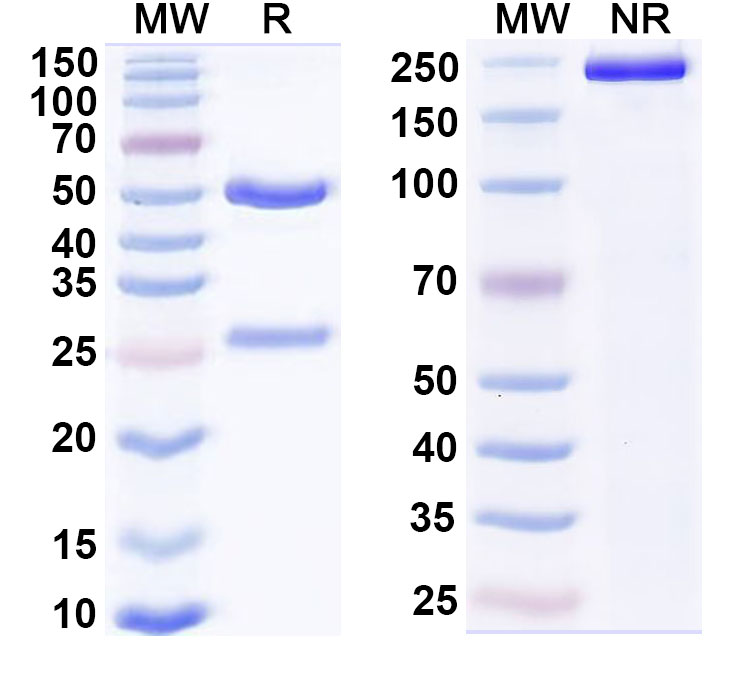
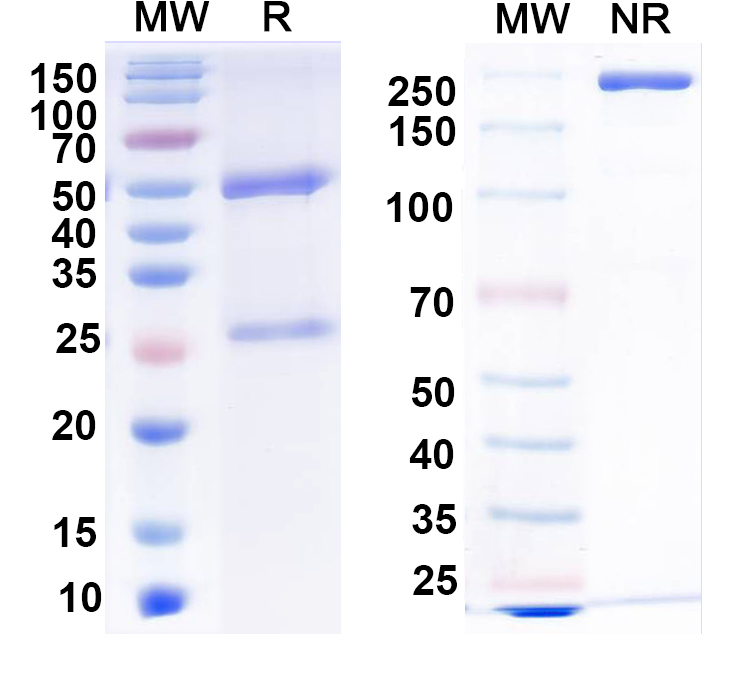
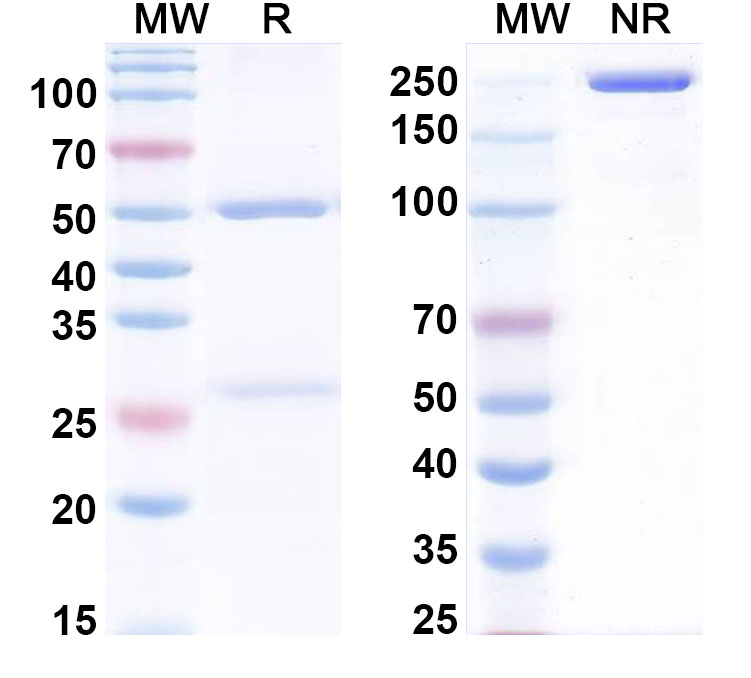
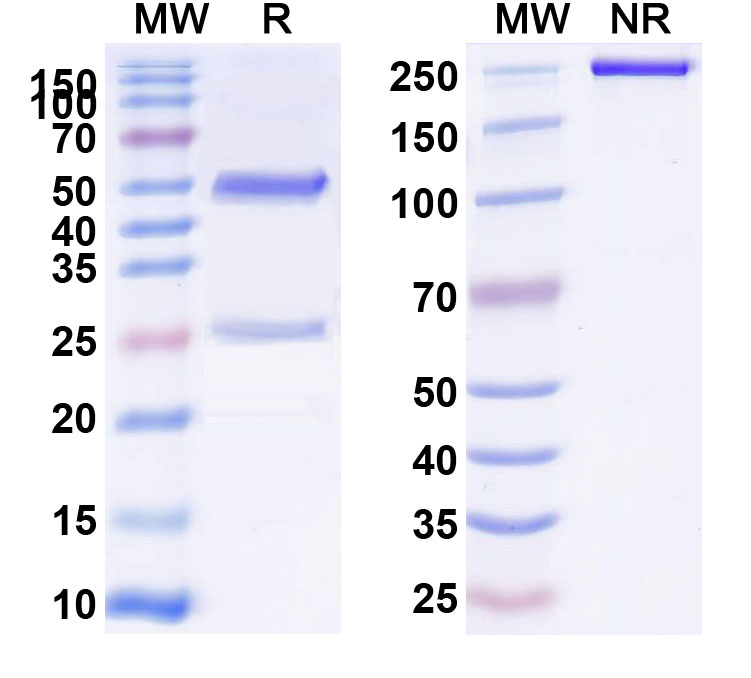
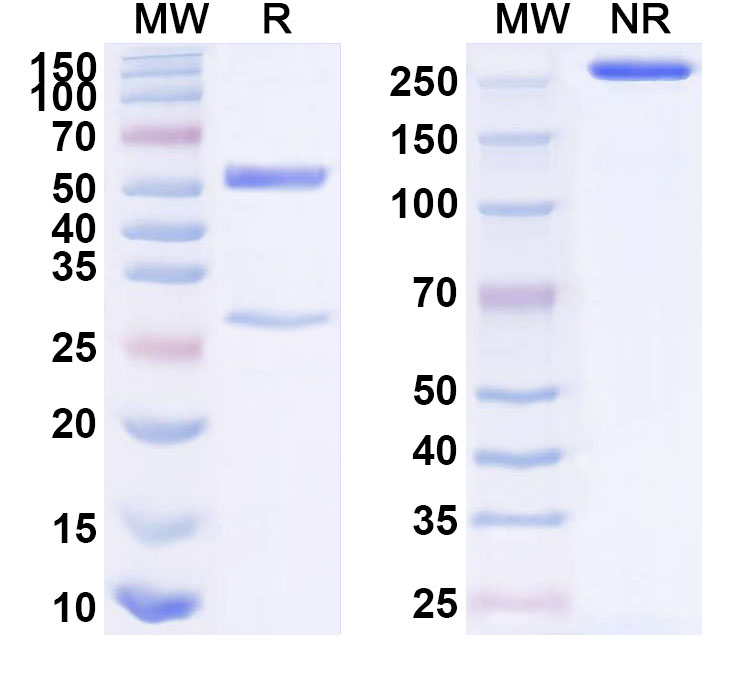
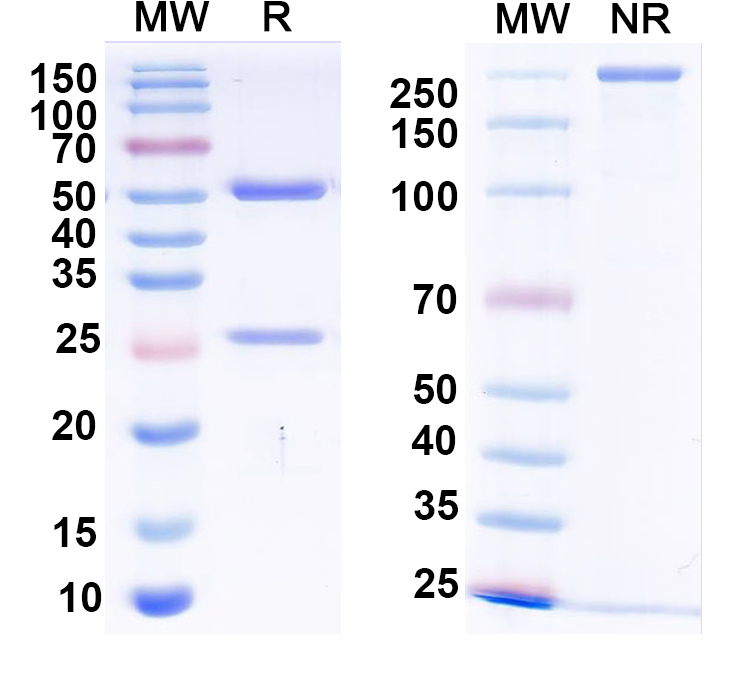
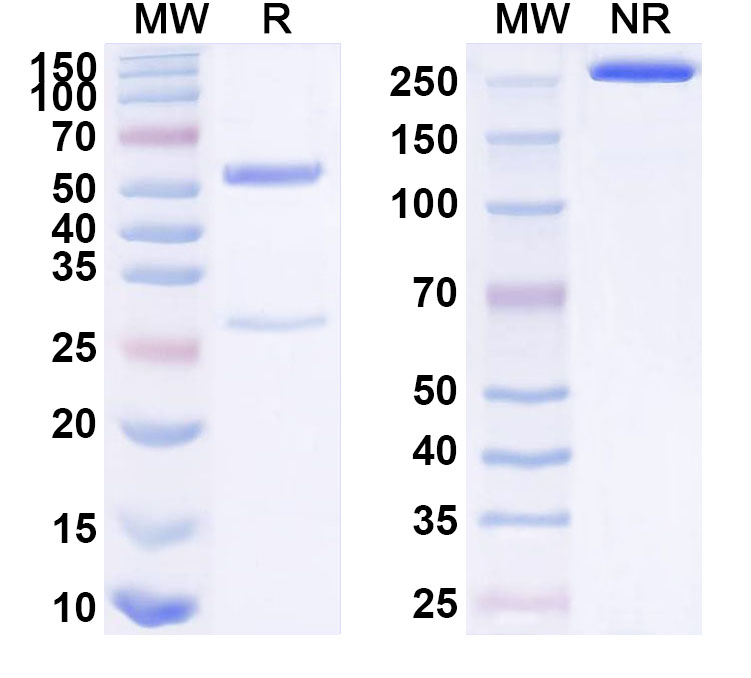
Anti-Human BCL6 Monoclonal Antibody (1A700) is a monoclonal antibody, meaning it is produced by a single clone of cells and recognizes a specific target. It is a mouse IgG2a antibody with a molecular weight of approximately 150 kDa. The antibody is composed of two heavy chains and two light chains, each with a variable region that binds to the BCL6 protein and a constant region that mediates effector functions.
The crystal structure of Anti-Human BCL6 Monoclonal Antibody (1A700) has been determined, revealing its binding site on the BCL6 protein. The antibody binds to the N-terminal portion of BCL6, which contains the DNA-binding domain and the repression domain. This binding blocks the interaction of BCL6 with its target genes, thereby inhibiting its repressive activity.
Activity of Anti-Human BCL6 Monoclonal Antibody (1A700)
The main activity of Anti-Human BCL6 Monoclonal Antibody (1A700) is its ability to specifically recognize and bind to the BCL6 protein. This binding inhibits the transcriptional repressor activity of BCL6, leading to the derepression of its target genes. This, in turn, affects various biological processes, including cell proliferation, differentiation, and survival.
Anti-Human BCL6 Monoclonal Antibody (1A700) has been extensively used in research to study the role of BCL6 in various diseases. It has been shown to inhibit the growth of BCL6-dependent lymphoma cells in vitro and in animal models. In addition, the antibody has been used to study the function of BCL6 in autoimmune diseases, such as systemic lupus erythematosus, and inflammatory diseases, such as rheumatoid arthritis.
Moreover, Anti-Human BCL6 Monoclonal Antibody (1A700) has been used in combination with other therapeutic agents to enhance their efficacy in treating BCL6-dependent cancers. This approach has shown promising results in preclinical studies and is currently being evaluated in clinical trials.
Application of Anti-Human BCL6 Monoclonal Antibody (1A700)
The wide range of applications of Anti-Human BCL6 Monoclonal Antibody (1A700) makes it a valuable tool in the field of immunology. Its ability to specifically target and inhibit BCL6 activity has made it a popular choice for studying BCL6 function in various biological processes and diseases.
In addition to its research applications, Anti-Human BCL6 Monoclonal Antibody (1A700) has potential clinical applications. The dysregulation of BCL6 has been implicated in various diseases, making it a potential therapeutic target. The use of Anti-Human BCL6 Monoclonal Antibody (1A700) as a targeted therapy for BCL6-dependent diseases is currently being explored.
Conclusion
In summary, Anti-H


There are no reviews yet.