Introduction
Anti-Human CCL17/TARC Antibody (Iv0083) is a monoclonal antibody that specifically targets the chemokine CCL17, also known as thymus and activation regulated chemokine (TARC). This antibody has been extensively studied for its potential therapeutic applications in various diseases, particularly in inflammatory and autoimmune disorders.
Structure
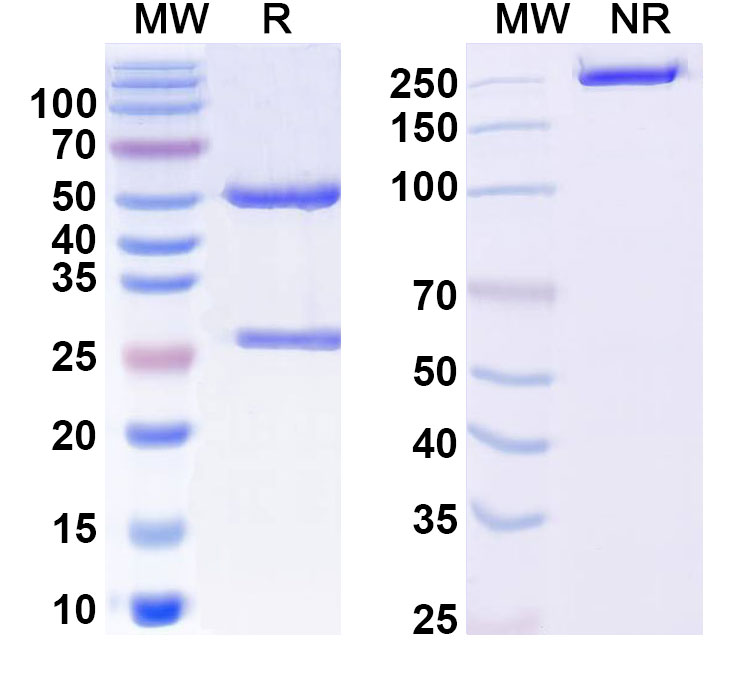
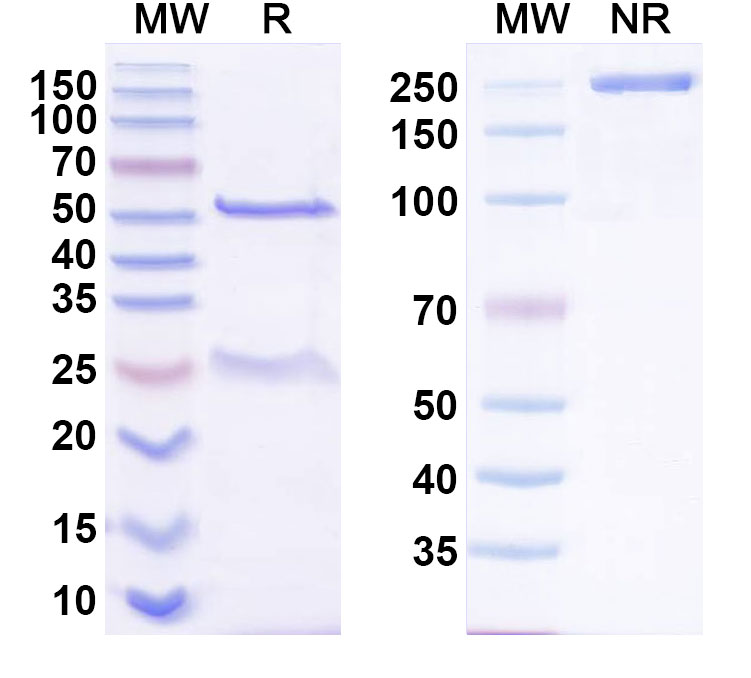
Anti-Human CCL17/TARC Antibody (Iv0083) is a recombinant humanized IgG1 monoclonal antibody that is produced by genetic engineering techniques. It consists of two heavy chains and two light chains, each with a variable and constant region. The variable region of the antibody binds specifically to the CCL17 chemokine, while the constant region mediates effector functions such as complement activation and antibody-dependent cell-mediated cytotoxicity.
Activity
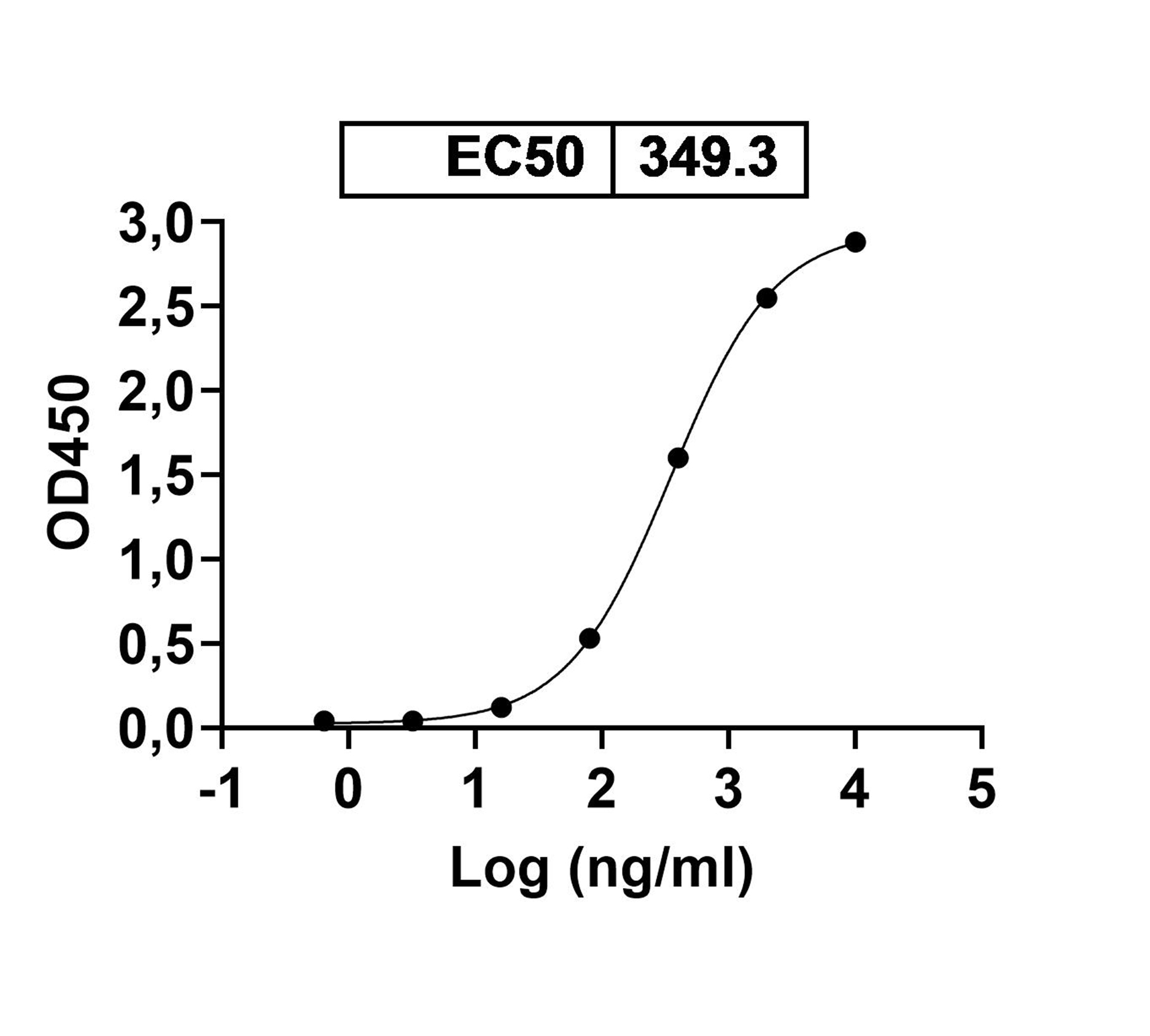
Anti-Human CCL17/TARC Antibody (Iv0083) exerts its activity by binding to CCL17 and preventing its interaction with its receptors, CCR4 and CCR8. CCL17 is a chemokine that is primarily produced by activated dendritic cells and plays a crucial role in recruiting T cells to sites of inflammation. By blocking the interaction between CCL17 and its receptors, this antibody inhibits the recruitment of T cells, thereby reducing inflammation and tissue damage.
Studies have shown that Anti-Human CCL17/TARC Antibody (Iv0083) effectively neutralizes the activity of CCL17 and reduces inflammation in various animal models of autoimmune diseases such as rheumatoid arthritis, multiple sclerosis, and psoriasis. It has also been shown to reduce the severity of symptoms in these diseases, including joint inflammation, demyelination, and skin lesions.
Application
Anti-Human CCL17/TARC Antibody (Iv0083) has been investigated for its potential therapeutic applications in various diseases, particularly in inflammatory and autoimmune disorders. Some of the specific applications of this antibody are:
Rheumatoid Arthritis
Rheumatoid arthritis (RA) is a chronic autoimmune disease characterized by inflammation of the joints, leading to pain, stiffness, and joint damage. CCL17 is known to play a critical role in the pathogenesis of RA by promoting the recruitment of T cells to the joints. Anti-Human CCL17/TARC Antibody (Iv0083) has been shown to effectively reduce inflammation and joint damage in animal models of RA, making it a potential therapeutic option for this disease.
Multiple Sclerosis
Multiple sclerosis (MS) is a chronic autoimmune disease of the central nervous system characterized by inflammation and demyelination. CCL17 has been implicated in the pathogenesis of MS by promoting the recruitment of T cells to the brain and spinal cord. Anti-Human CCL17/TARC Antibody (Iv0083) has been shown to reduce the severity of symptoms in animal models of MS by inhibiting the recruitment of T cells to the central nervous system.
Psoriasis
Psoriasis is a chronic inflammatory skin disorder characterized by red, scaly patches on the skin. CCL17 is known to play a crucial role in the recruitment of T cells to the skin, leading to inflammation and skin lesions. Anti-Human CCL17/TARC Antibody (Iv0083) has been shown to effectively reduce skin inflammation and improve skin lesions in animal models of psoriasis, making it a potential treatment option for this disease.
Other Inflammatory and Autoimmune Diseases
In addition to the above diseases, Anti-Human CCL17/TARC Antibody (Iv0083) has also been investigated for its potential in other inflammatory and autoimmune disorders such as asthma, atopic dermatitis, and inflammatory bowel disease. CCL17 has been shown to play a role in the pathogenesis of these diseases, and this antibody has shown promising results in reducing inflammation and symptoms in animal models.
Conclusion
In

There are no reviews yet.