Title: Understanding the Structure and Function of Anti-Human CD11b/ITGAM Monoclonal Antibody (1A720)
Introduction:
Anti-Human CD11b/ITGAM Monoclonal Antibody (1A720) is a highly specific antibody that targets the CD11b subunit of the integrin alpha M beta 2 complex, also known as the Mac-1 antigen. This antibody has been extensively studied and has shown promising results in various research areas, making it a valuable tool for scientists.
Structure:
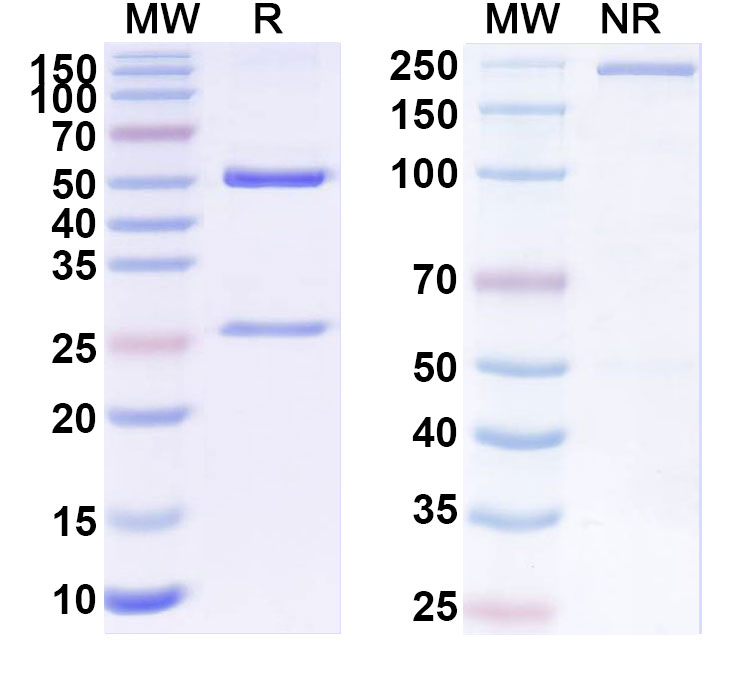
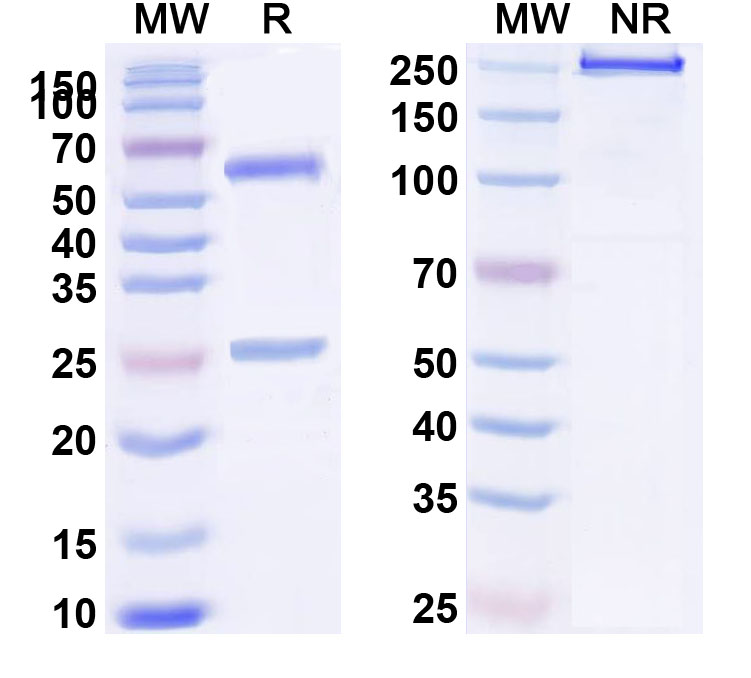
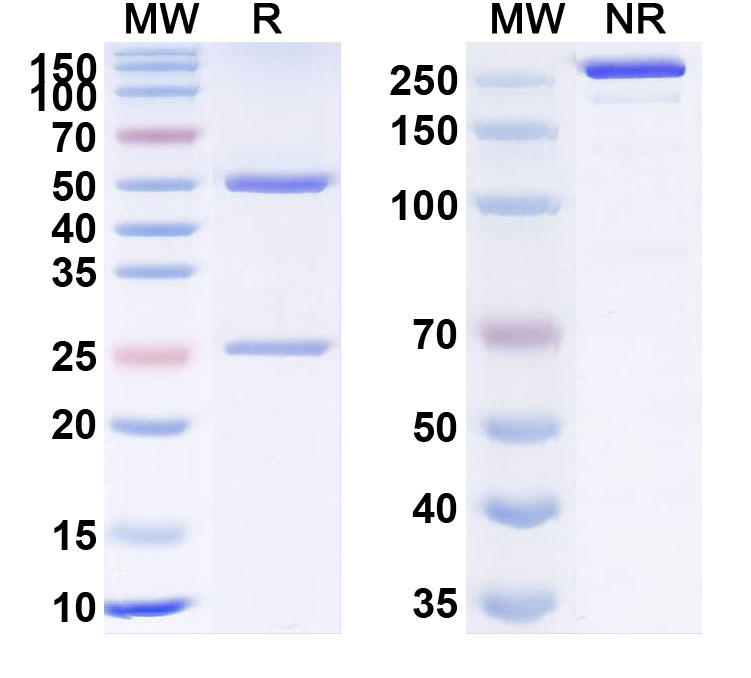
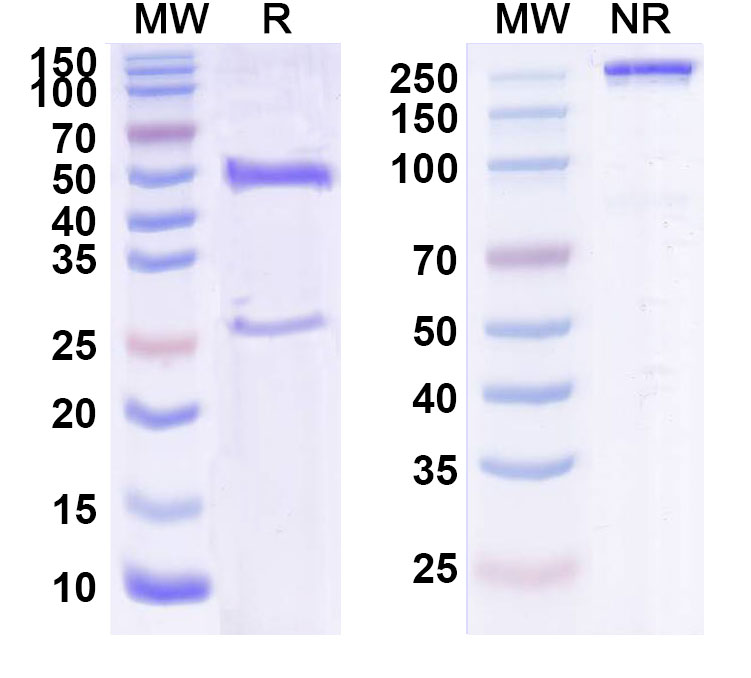
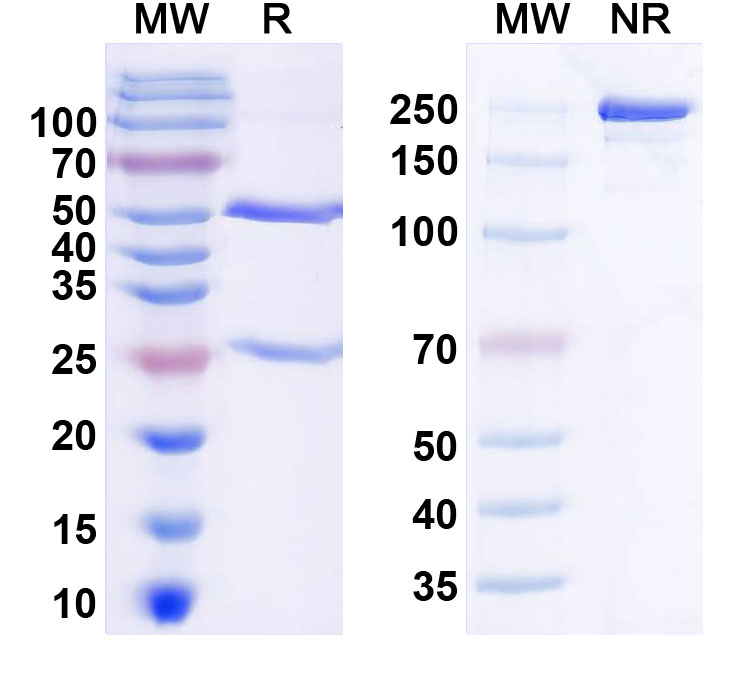
The Anti-Human CD11b/ITGAM Monoclonal Antibody (1A720) is a mouse monoclonal antibody with a molecular weight of approximately 150 kDa. It is composed of two heavy chains and two light chains, each with a constant and variable region. The variable region of the antibody binds specifically to the CD11b subunit, while the constant region mediates effector functions.
Activity:
The main function of Anti-Human CD11b/ITGAM Monoclonal Antibody (1A720) is to bind to the CD11b subunit, which is expressed on the surface of various immune cells, including monocytes, macrophages, and granulocytes. This binding inhibits the interaction of CD11b with its ligands, such as ICAM-1, leading to the inhibition of cell adhesion and migration.
In addition, this antibody has been shown to induce the activation of CD11b, resulting in the production of reactive oxygen species and the release of pro-inflammatory cytokines. This activity has been demonstrated in various in vitro and in vivo studies, making Anti-Human CD11b/ITGAM Monoclonal Antibody (1A720) a valuable tool for studying the role of CD11b in immune responses.
Application:
The Anti-Human CD11b/ITGAM Monoclonal Antibody (1A720) has a wide range of applications in both research and clinical settings. In research, this antibody has been used to study the role of CD11b in various diseases, such as atherosclerosis, cancer, and autoimmune disorders. It has also been used in studies investigating the function of CD11b in immune cell development and differentiation.
In clinical settings, Anti-Human CD11b/ITGAM Monoclonal Antibody (1A720) has shown potential as a therapeutic agent for the treatment of inflammatory disorders. Its ability to inhibit CD11b-mediated cell adhesion and migration makes it a promising candidate for the treatment of diseases characterized by excessive inflammation, such as rheumatoid arthritis and inflammatory bowel disease.
Conclusion:
In summary, Anti-Human CD11b/ITGAM Monoclonal Antibody (1A720) is a highly specific antibody that targets the CD11b subunit of the integrin alpha M beta 2 complex. Its structure and function have been extensively studied, and it has shown promising results in various research areas. This antibody has a wide range of applications in both research and clinical settings, making it a valuable tool for scientists studying the role of CD11b in immune responses and inflammatory diseases.

There are no reviews yet.