Introduction
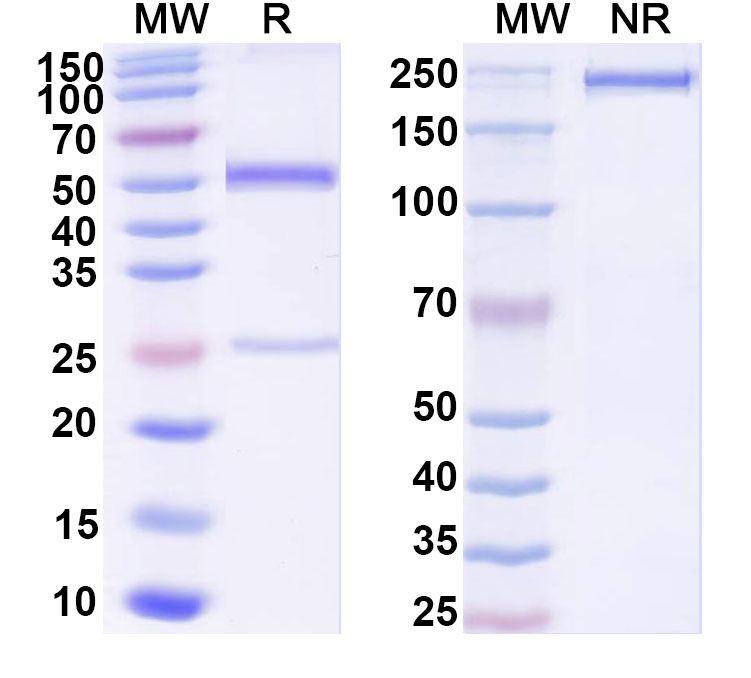
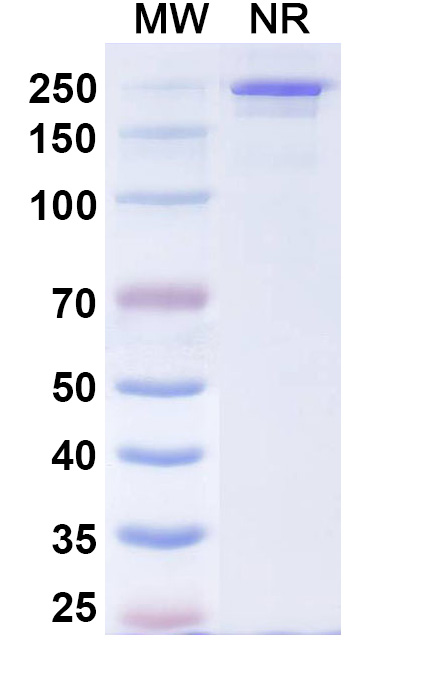
Anti-Human CD183/CXCR3 Antibody (5H7) is a monoclonal antibody that specifically targets the human CD183 protein, also known as the C-X-C chemokine receptor type 3 (CXCR3). This antibody has been extensively studied and has shown promising results in various research areas, making it a valuable tool for scientific studies.
Structure
The CD183 protein is a G protein-coupled receptor that is primarily expressed on the surface of T cells, natural killer cells, and some B cells. It is composed of 368 amino acids and has seven transmembrane domains. The 5H7 antibody specifically recognizes the extracellular domain of the CD183 protein, making it ideal for targeting and studying this receptor.
Activity
The main function of CD183 is to bind to chemokines, which are small signaling proteins that play a crucial role in immune responses. The 5H7 antibody blocks the binding of chemokines to CD183, thereby inhibiting downstream signaling pathways. This activity has been shown to modulate T cell migration, activation, and cytokine production.
Application in Cancer Research
CD183 has been found to be overexpressed in various types of cancer, including breast, lung, and prostate cancer. The 5H7 antibody has been used in cancer research to investigate the role of CD183 in tumor progression and metastasis. Studies have shown that blocking CD183 with 5H7 can inhibit tumor growth and reduce metastasis in animal models, making it a potential therapeutic target for cancer treatment.
Application in Inflammatory Diseases
CD183 is also involved in inflammatory responses, and its overexpression has been linked to various autoimmune and inflammatory diseases, such as rheumatoid arthritis and multiple sclerosis. The 5H7 antibody has been used in preclinical studies to investigate the role of CD183 in these diseases and has shown promising results in reducing inflammation and disease severity.
Application in Infectious Diseases
The chemokine receptor CD183 is also involved in the recruitment of immune cells to sites of infection, making it a potential target for infectious disease research. The 5H7 antibody has been used in studies to investigate its role in viral and bacterial infections. In a study on HIV infection, 5H7 was found to inhibit the entry of the virus into T cells, suggesting its potential as a therapeutic agent for HIV treatment.
Application in Organ Transplantation
Organ transplantation is often accompanied by graft rejection, which is mediated by T cells. CD183 plays a crucial role in the recruitment and activation of T cells in transplant rejection. The 5H7 antibody has been used in preclinical studies to investigate the role of CD183 in organ transplant rejection and has shown promising results in reducing graft rejection and prolonging graft survival.
Conclusion
In summary, Anti-Human CD183/CXCR3 Antibody (5H7) is a valuable tool for scientific research in various fields. Its ability to specifically target and block CD183 activity makes it a useful tool for investigating the role of this receptor in different diseases and conditions. Its potential as a therapeutic agent in cancer, inflammatory diseases, infectious diseases, and organ transplantation makes it a promising candidate for future clinical studies.

There are no reviews yet.