Introduction
Anti-Human CD271/NGFR Monoclonal Antibody (1A633) is a highly specific and sensitive antibody that targets the CD271/NGFR protein. This protein is also known as the nerve growth factor receptor (NGFR) or the low-affinity nerve growth factor receptor (LNGFR). The CD271/NGFR protein is a cell surface receptor that is expressed on various cell types, including neurons, glial cells, and immune cells. This antibody has been extensively studied and has shown promising results in various research areas, making it a valuable tool for scientists.
Structure of Anti-Human CD271/NGFR Monoclonal Antibody (1A633)
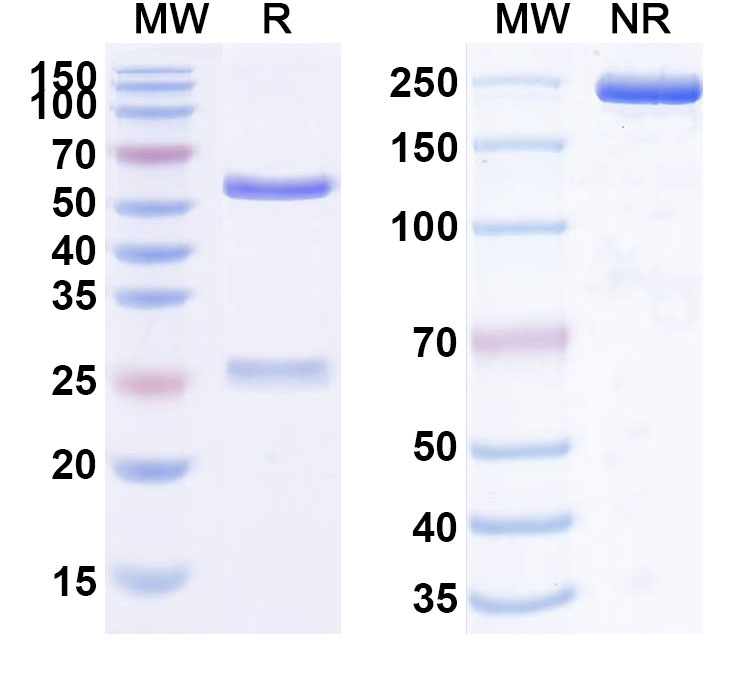
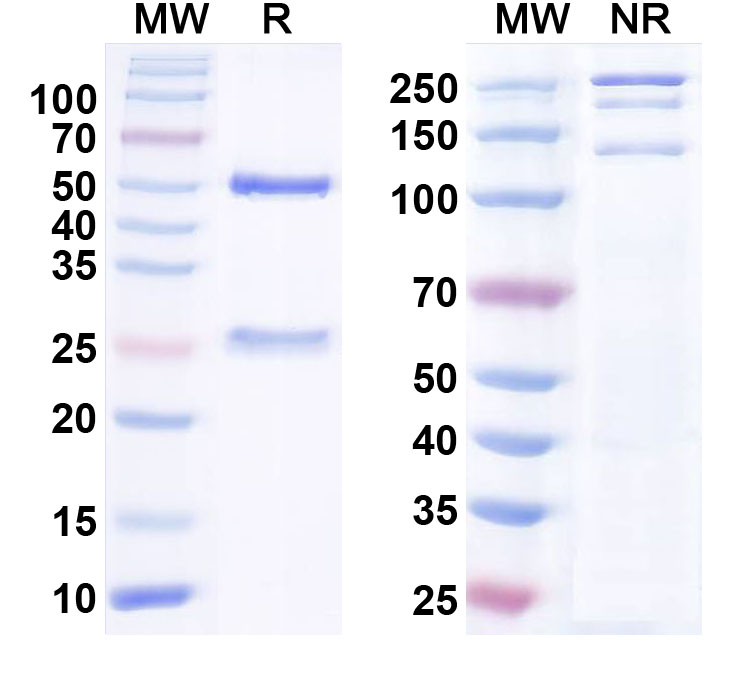
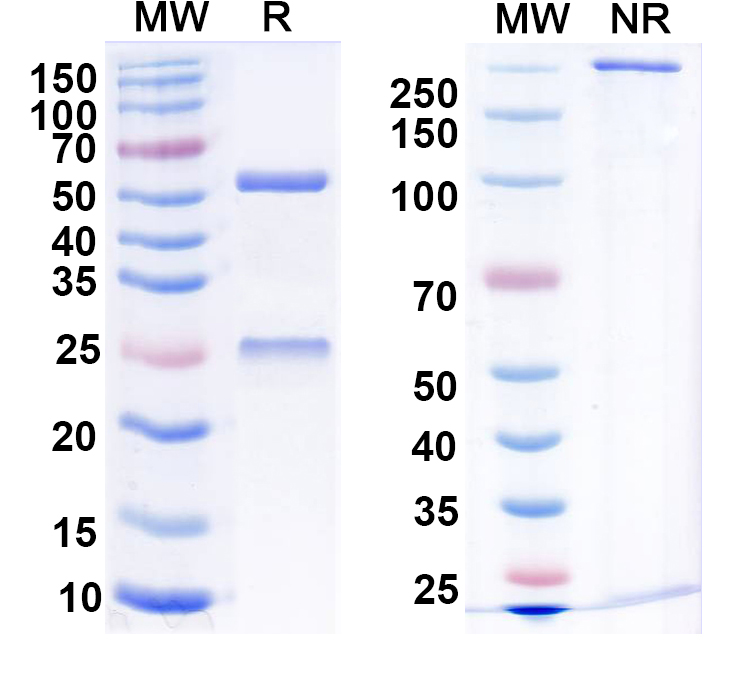
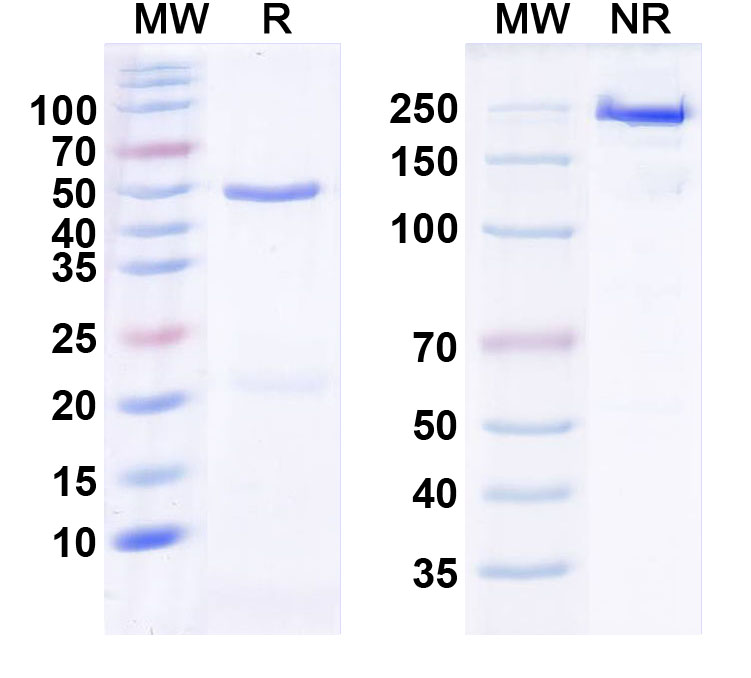
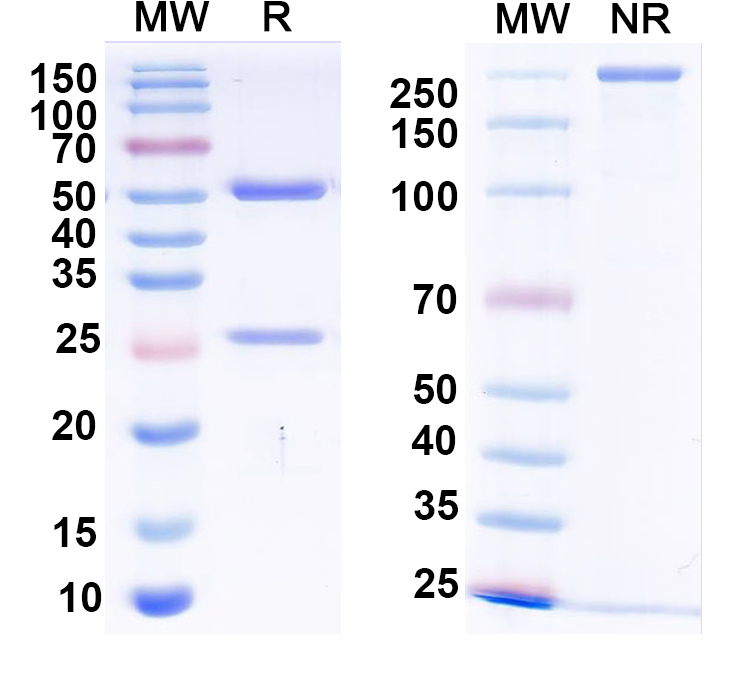
Anti-Human CD271/NGFR Monoclonal Antibody (1A633) is a monoclonal antibody, which means it is produced by a single clone of immune cells. It is a mouse IgG1 antibody with a molecular weight of approximately 150 kDa. The antibody is composed of two heavy chains and two light chains, which are connected by disulfide bonds. The variable regions of the antibody are responsible for its high specificity and binding to the CD271/NGFR protein.
Activity of Anti-Human CD271/NGFR Monoclonal Antibody (1A633)
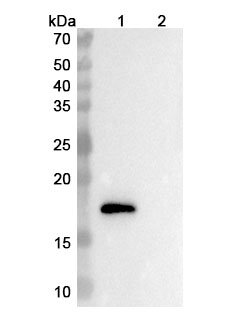
The main activity of Anti-Human CD271/NGFR Monoclonal Antibody (1A633) is to specifically bind to the CD271/NGFR protein. This binding occurs through the variable regions of the antibody, which recognize and bind to specific epitopes on the CD271/NGFR protein. This binding leads to the formation of an antibody-antigen complex, which can then be detected and measured using various techniques such as flow cytometry, immunohistochemistry, and western blotting.
Application of Anti-Human CD271/NGFR Monoclonal Antibody (1A633)
1. Research in Neurobiology
The CD271/NGFR protein is primarily expressed in the nervous system and has been implicated in various neurobiological processes, including neuronal development, survival, and regeneration. Anti-Human CD271/NGFR Monoclonal Antibody (1A633) has been extensively used in research to study the role of CD271/NGFR in these processes. It has been shown to be a valuable tool in identifying and characterizing CD271/NGFR-expressing cells, as well as studying the effects of CD271/NGFR signaling on neuronal function.
2. Cancer Research
The CD271/NGFR protein has also been found to be overexpressed in various types of cancer, including neuroblastoma, melanoma, and breast cancer. This overexpression has been linked to increased tumor growth, invasion, and metastasis. Anti-Human CD271/NGFR Monoclonal Antibody (1A633) has been used in cancer research to study the role of CD271/NGFR in tumor progression and as a potential therapeutic target. It has also been used to develop diagnostic assays for the detection of CD271/NGFR in cancer tissues.
3. Stem Cell Research
CD271/NGFR has been identified as a marker for stem cells, particularly in the nervous system. Anti-Human CD271/NGFR Monoclonal Antibody (1A633) has been used in stem cell research to isolate and characterize CD271/NGFR-positive stem cells. It has also been used to study the role of CD271/NGFR in stem cell differentiation and self-renewal.
4. Immunology Research
CD271/NGFR is also expressed on immune cells, including T cells, B cells, and natural killer cells. Anti-Human CD271/NGFR Monoclonal Antibody (1A633) has been used in immunology research to study the role of CD271/NGFR in immune cell development, activation, and function. It has also been used to develop diagnostic assays for the detection of CD271/NGFR on immune cells.
Conclusion
In conclusion, Anti-Human CD271/NGFR Monoclonal Antibody (1A633)

There are no reviews yet.