Introduction
Anti-Human CD2AP Monoclonal Antibody (1A674) is a type of monoclonal antibody that specifically targets the CD2AP protein in humans. This antibody has been extensively studied for its role in various cellular processes and its potential applications in disease treatment. In this article, we will provide a detailed scientific description of the structure, activity, and applications of Anti-Human CD2AP Monoclonal Antibody (1A674).
Structure of Anti-Human CD2AP Monoclonal Antibody (1A674)
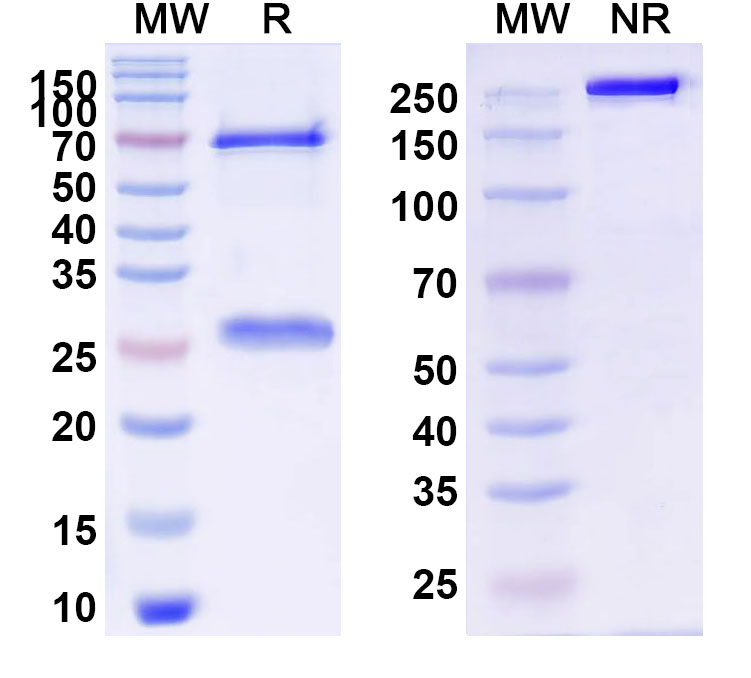
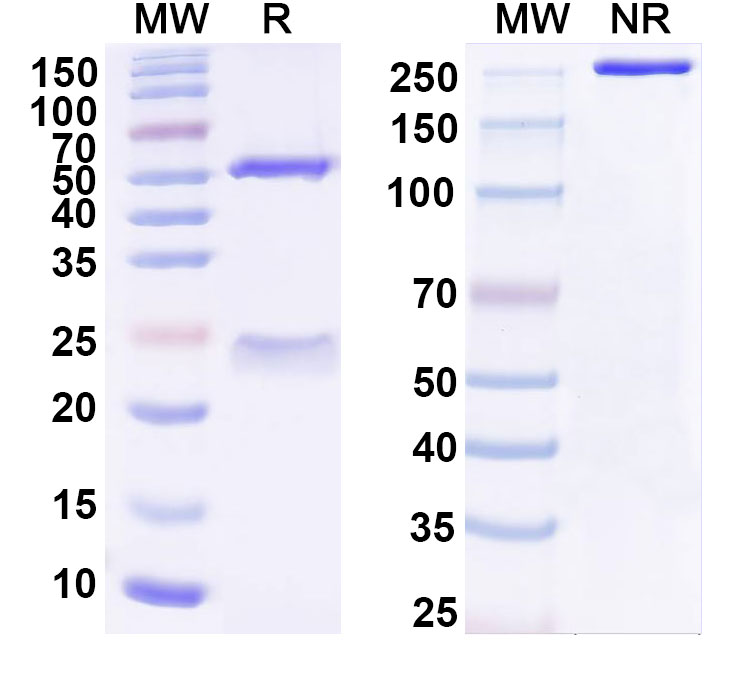
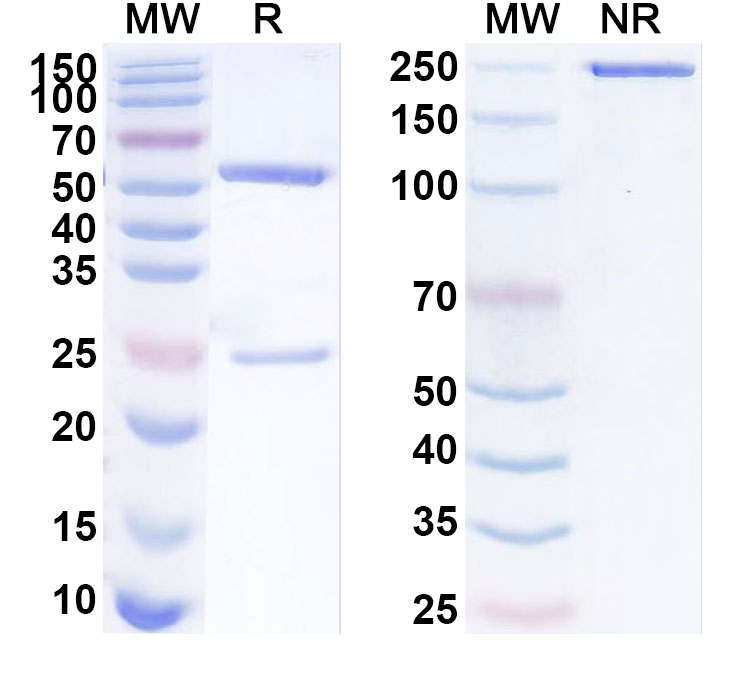
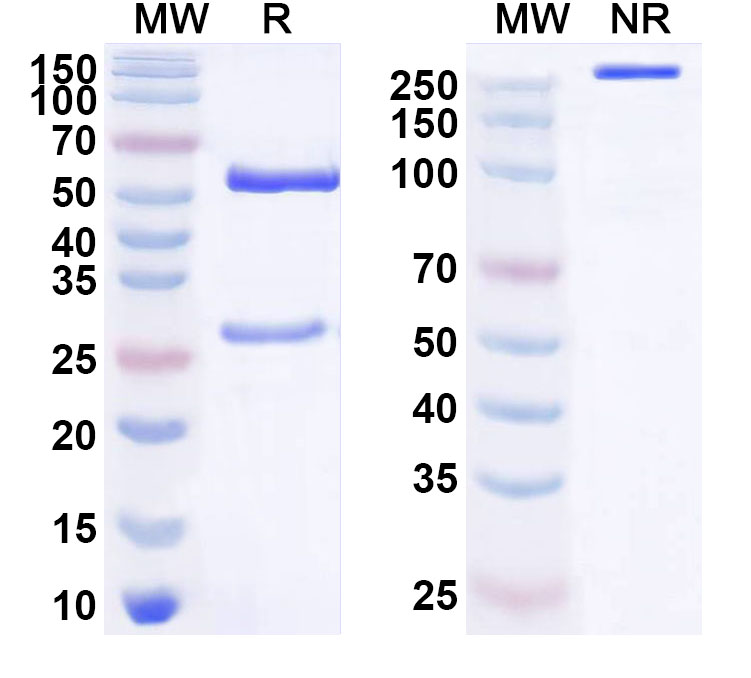
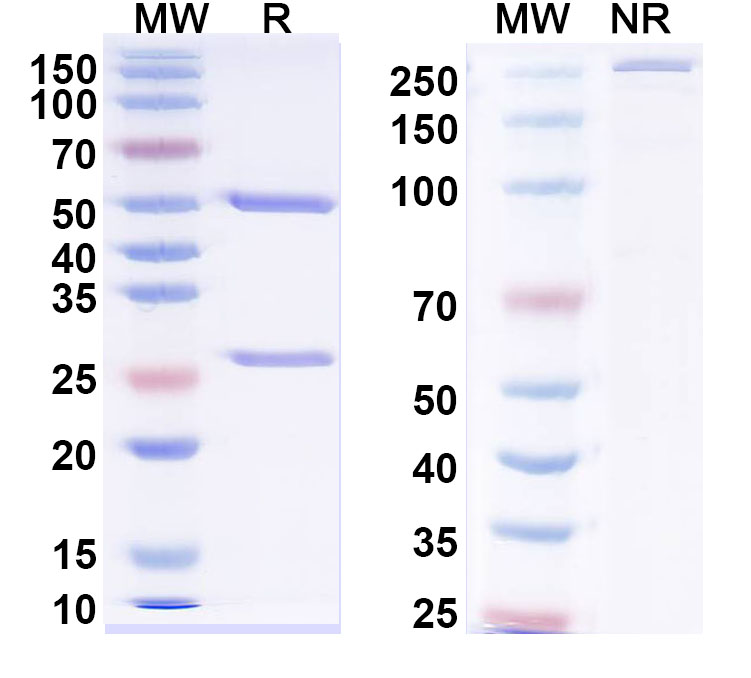
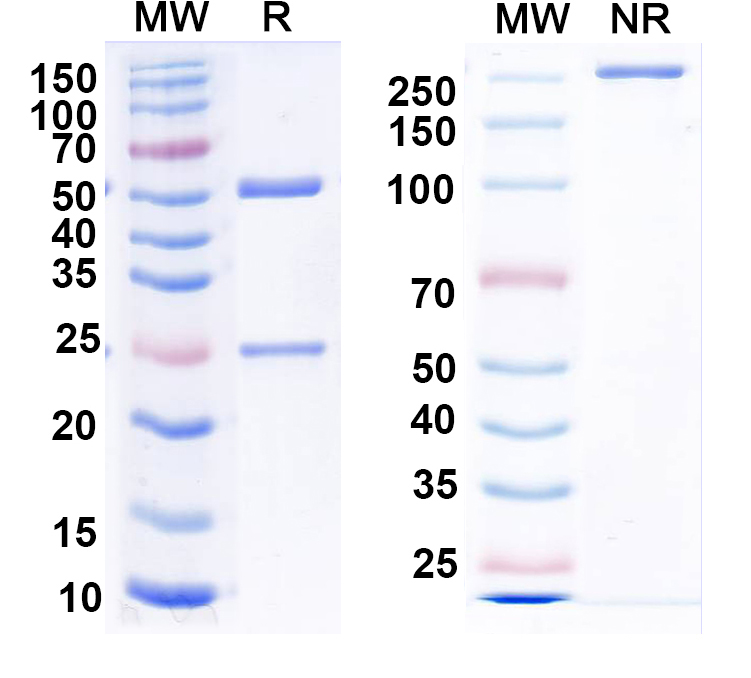
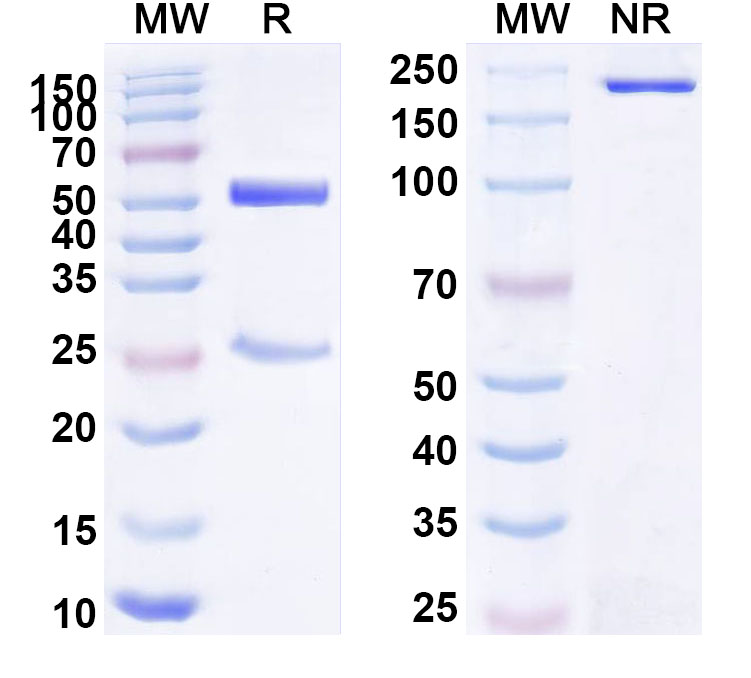
Anti-Human CD2AP Monoclonal Antibody (1A674) is a type of monoclonal antibody, which means it is produced from a single clone of immune cells. It is a large Y-shaped protein with two heavy chains and two light chains. The heavy chains are composed of constant and variable regions, while the light chains contain only variable regions. The variable regions are responsible for binding to the CD2AP protein, while the constant regions provide stability and help in the activation of immune responses.
Activity of Anti-Human CD2AP Monoclonal Antibody (1A674)
Anti-Human CD2AP Monoclonal Antibody (1A674) specifically targets the CD2AP protein, which is a key regulator of cell adhesion and signaling. CD2AP is a scaffolding protein that plays a crucial role in maintaining the integrity of cell junctions and controlling cell movement. It is also involved in various signaling pathways, including the T-cell receptor signaling pathway. Dysregulation of CD2AP has been linked to various diseases, making it an attractive target for therapeutic interventions.
Upon binding to CD2AP, Anti-Human CD2AP Monoclonal Antibody (1A674) can modulate its activity and affect downstream signaling pathways. It has been shown to inhibit cell migration and invasion in cancer cells by disrupting the interaction between CD2AP and other proteins involved in these processes. This antibody has also been found to enhance T-cell activation and proliferation, suggesting its potential use in immunotherapy.
Applications of Anti-Human CD2AP Monoclonal Antibody (1A674)
Anti-Human CD2AP Monoclonal Antibody (1A674) has been extensively studied for its potential applications in various diseases. One of the most promising areas of research is in cancer treatment. CD2AP has been found to be overexpressed in many types of cancer, and its dysregulation has been linked to tumor growth and metastasis. By targeting CD2AP, Anti-Human CD2AP Monoclonal Antibody (1A674) has shown promising results in inhibiting cancer cell migration and invasion, and it may also have a role in suppressing tumor growth.
In addition to cancer, Anti-Human CD2AP Monoclonal Antibody (1A674) has also shown potential in the treatment of autoimmune diseases. CD2AP has been implicated in the development of autoimmune disorders, and targeting it with this antibody may help to modulate the immune response and reduce inflammation. This has been demonstrated in preclinical studies of autoimmune diseases such as lupus and rheumatoid arthritis.
Furthermore, Anti-Human CD2AP Monoclonal Antibody (1A674) has been investigated for its potential use in organ transplantation. CD2AP has been found to be involved in the rejection of transplanted organs, and by targeting it with this antibody, it may be possible to prevent or reduce rejection and improve the success of organ transplantation.
Conclusion
In conclusion, Anti-Human CD2AP Monoclonal Antibody (1A674) is a promising therapeutic agent that specifically targets the CD2AP protein. Its unique structure and activity make it a potential treatment option for various diseases, including cancer, autoimmune disorders, and organ transplantation. Further research is needed to fully understand its mechanisms of action and potential applications, but the current evidence suggests that Anti-Human CD2AP Monoclonal Antibody (1A674) holds great promise in the field of medicine.


There are no reviews yet.