Introduction
Anti-Human CD3G Monoclonal Antibody (1A636) is a highly specific antibody that targets CD3G, a protein found on the surface of T-cells. This antibody has been extensively studied and has shown promising results in various research areas, making it a valuable tool for scientists.
Structure of Anti-Human CD3G Monoclonal Antibody (1A636)
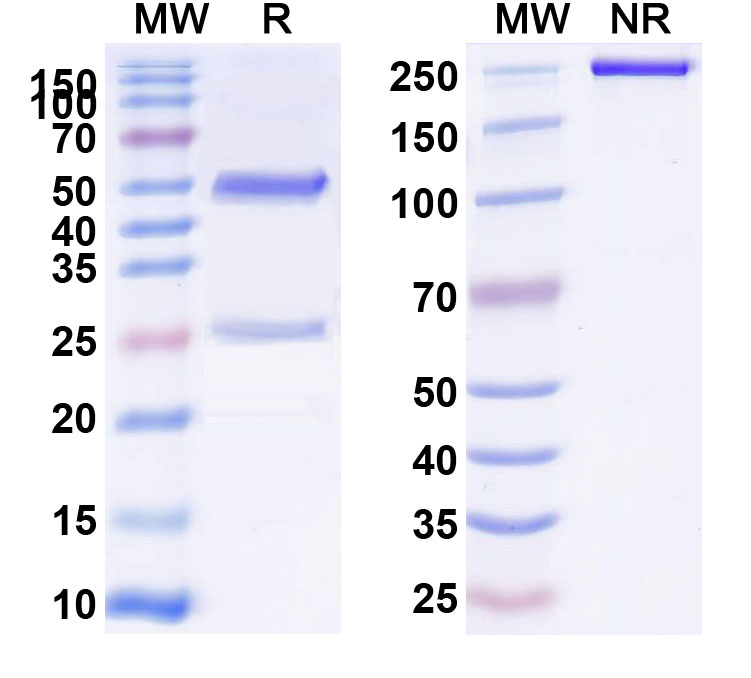
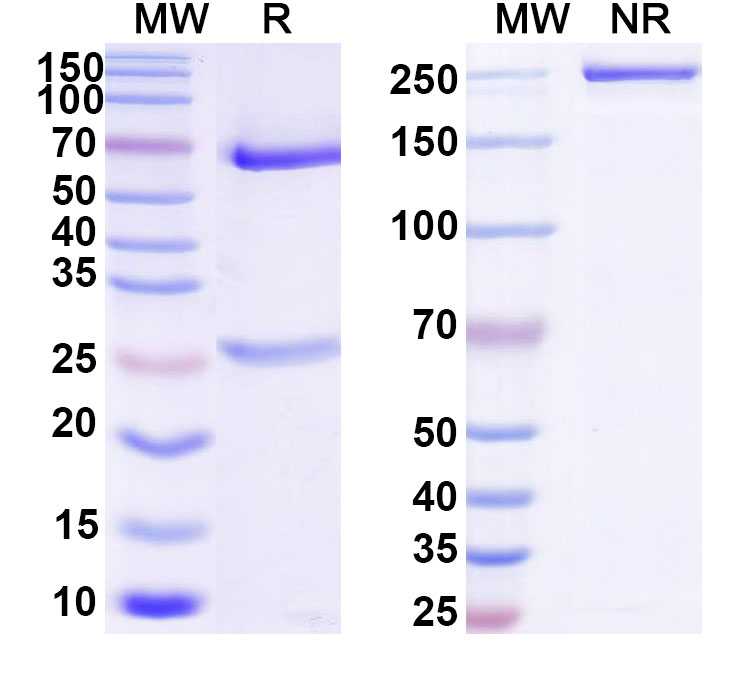
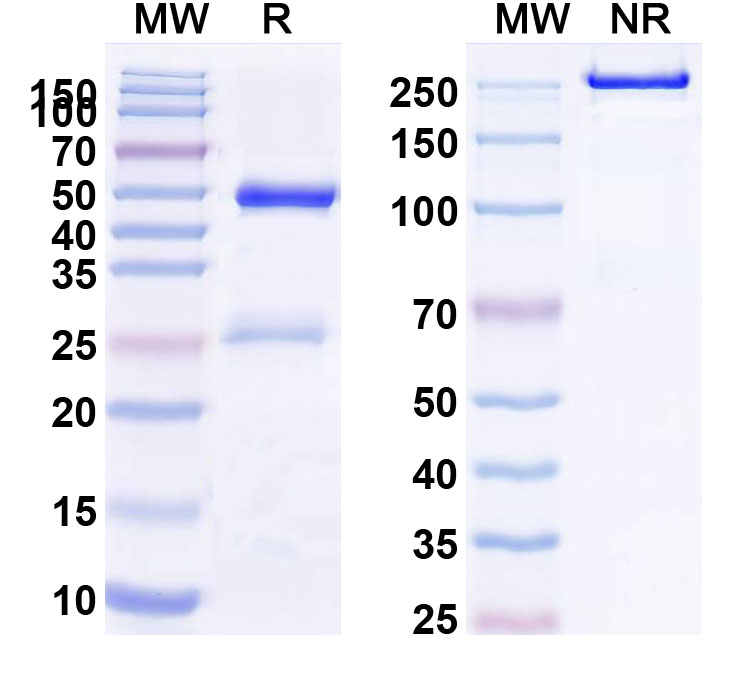
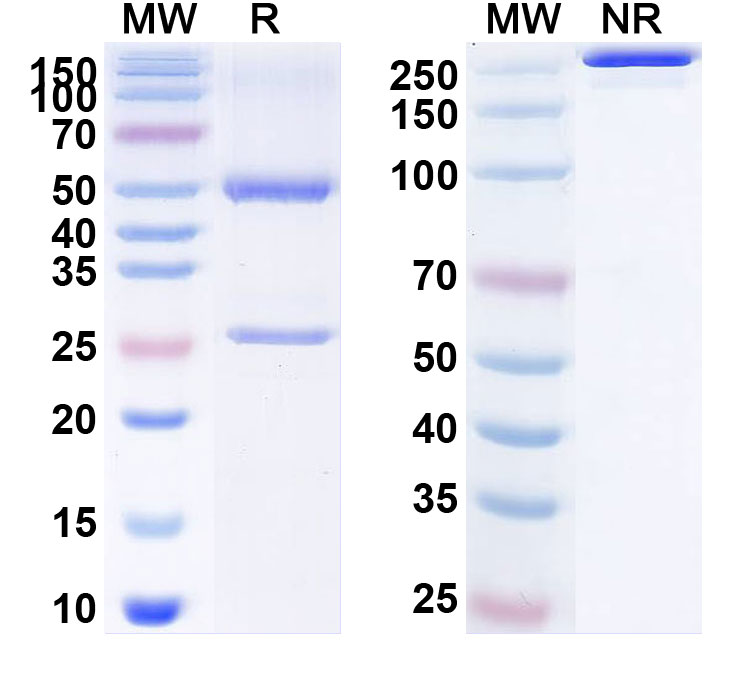
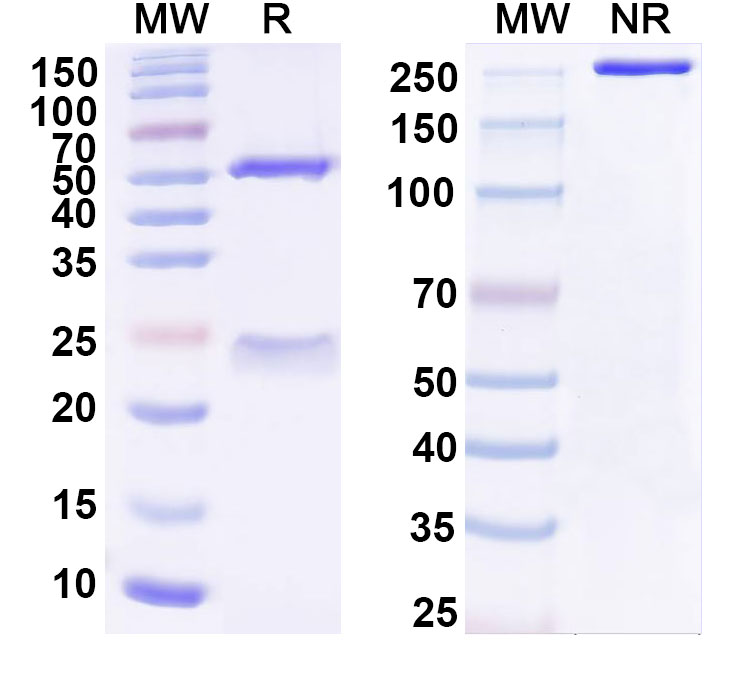
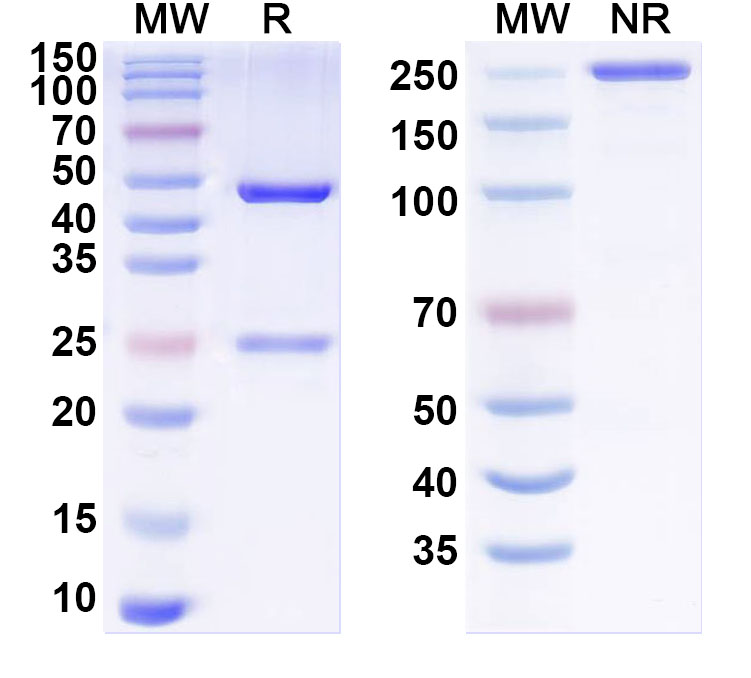
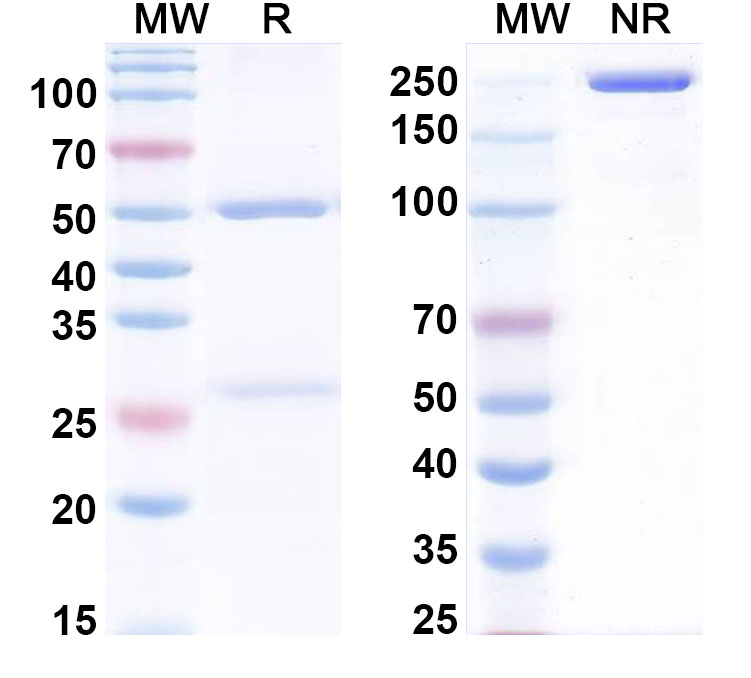
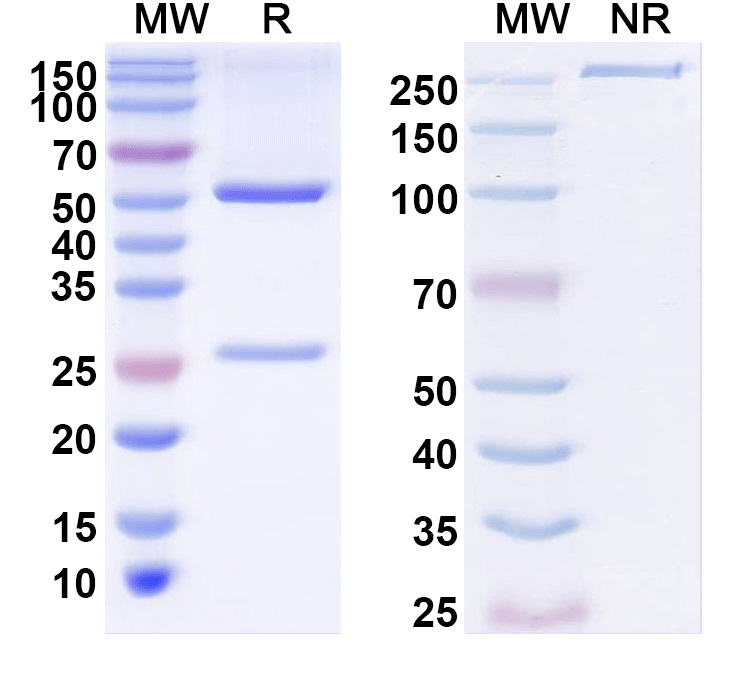
Anti-Human CD3G Monoclonal Antibody (1A636) is a monoclonal antibody, meaning it is produced by a single clone of cells and is therefore highly specific. It is composed of two heavy chains and two light chains, which are connected by disulfide bonds. The antibody has a molecular weight of approximately 150 kDa.
The antigen-binding region of the antibody is located on the variable regions of the heavy and light chains, which are responsible for recognizing and binding to the CD3G protein. This binding specificity allows for the antibody to specifically target and bind to CD3G on the surface of T-cells.
Activity of Anti-Human CD3G Monoclonal Antibody (1A636)
Anti-Human CD3G Monoclonal Antibody (1A636) has been shown to have multiple activities in various research areas. One of its main activities is its ability to bind to CD3G on the surface of T-cells, leading to T-cell activation. This activation triggers a cascade of events that ultimately results in the production of cytokines and other immune response molecules.
In addition to its role in T-cell activation, Anti-Human CD3G Monoclonal Antibody (1A636) has also been shown to induce T-cell proliferation and differentiation. This is important in the study of immune responses and the development of immunotherapies.
Furthermore, this antibody has also been shown to have a role in antibody-dependent cellular cytotoxicity (ADCC). This is a process in which the antibody binds to a target cell, such as a cancer cell, and activates immune cells to kill the target cell. This activity has potential applications in cancer research and therapy.
Applications of Anti-Human CD3G Monoclonal Antibody (1A636)
Anti-Human CD3G Monoclonal Antibody (1A636) has a wide range of applications in various research areas. Its ability to specifically target and activate T-cells makes it a valuable tool in the study of immune responses and the development of immunotherapies.
In cancer research, this antibody has been used to study the role of T-cells in tumor growth and to develop novel immunotherapies targeting CD3G. It has also been used in clinical trials for the treatment of various types of cancer.
In addition, Anti-Human CD3G Monoclonal Antibody (1A636) has also been used in the study of autoimmune diseases, such as rheumatoid arthritis and multiple sclerosis. Its ability to activate T-cells and induce immune responses can aid in understanding the underlying mechanisms of these diseases and developing potential treatments.
Furthermore, this antibody has been used in virology research to study the role of T-cells in viral infections and to develop vaccines against viral diseases.
Conclusion
In summary, Anti-Human CD3G Monoclonal Antibody (1A636) is a highly specific antibody that targets CD3G on the surface of T-cells. Its structure, activity, and applications make it a valuable tool in various research areas, including cancer, autoimmune diseases, and virology. Its potential for use in immunotherapies and clinical trials makes it an important target for further research and development.
There are no reviews yet.