Introduction to Anti-Human CD7 Monoclonal Antibody (1A597)
Anti-Human CD7 Monoclonal Antibody (1A597) is a type of monoclonal antibody that specifically targets the CD7 protein found on the surface of human immune cells. This antibody is widely used in both research and clinical settings due to its high specificity and effectiveness in detecting and treating various diseases.
Structure of Anti-Human CD7 Monoclonal Antibody (1A597)
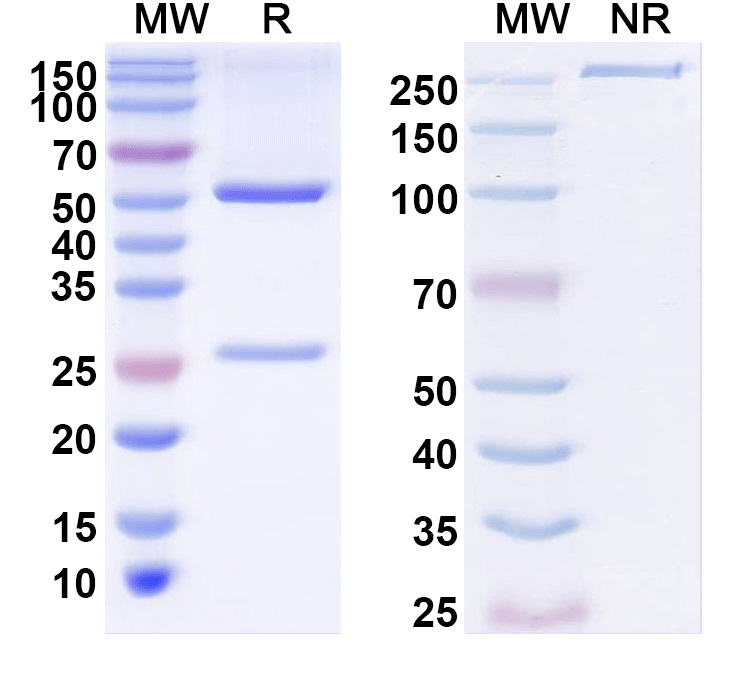
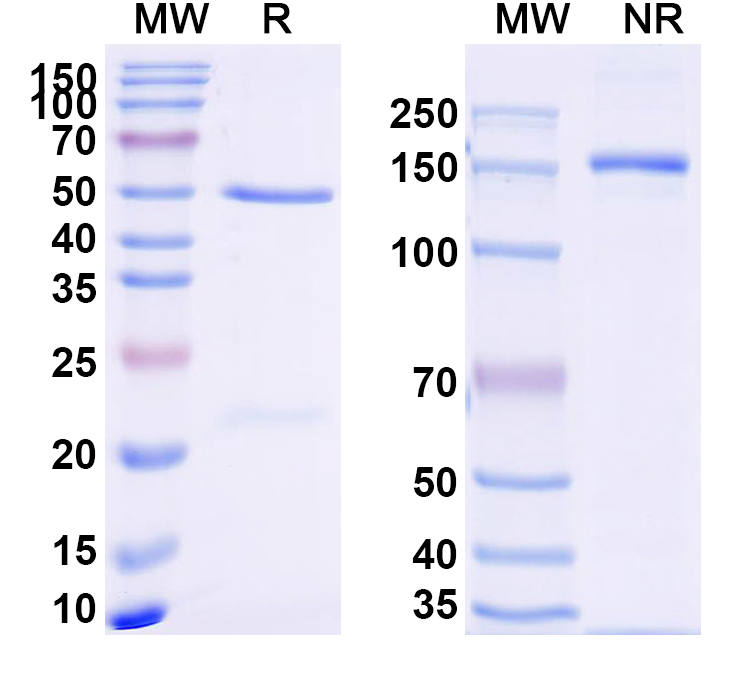
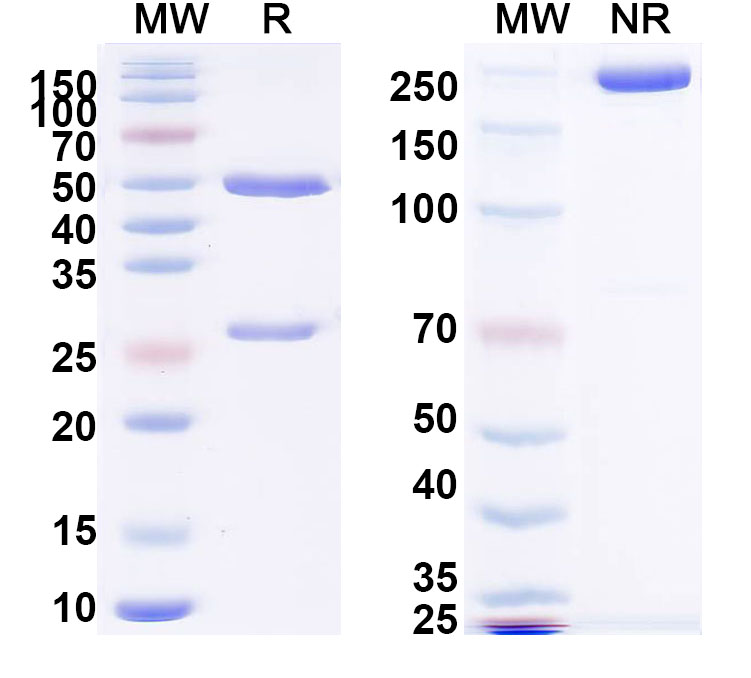
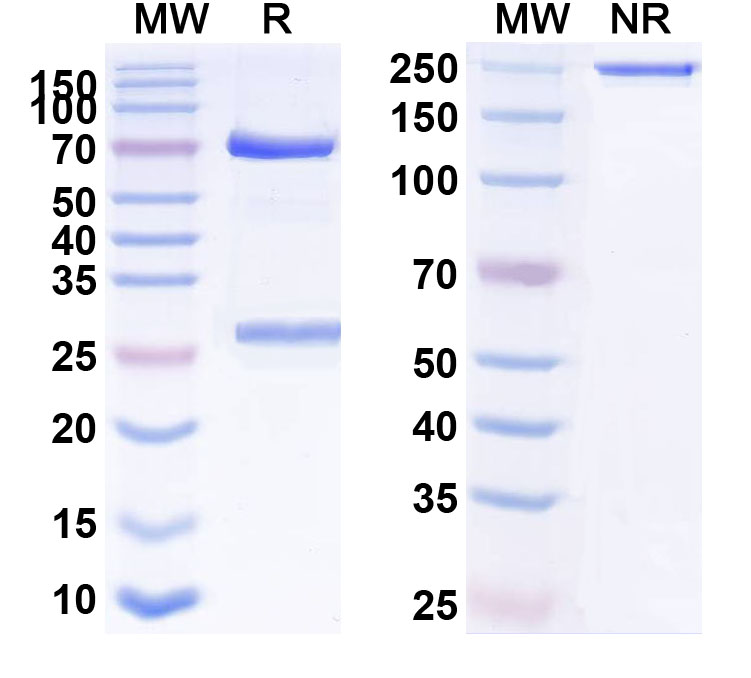
Anti-Human CD7 Monoclonal Antibody (1A597) is a type of immunoglobulin G (IgG) antibody, which is a Y-shaped protein made up of four polypeptide chains. It has a molecular weight of approximately 150 kDa and is composed of two heavy chains and two light chains. The heavy chains are further divided into constant and variable regions, with the variable regions being responsible for binding to the CD7 protein.
Activity of Anti-Human CD7 Monoclonal Antibody (1A597)
Anti-Human CD7 Monoclonal Antibody (1A597) specifically targets the CD7 protein, which is found on the surface of T cells, natural killer (NK) cells, and a subset of B cells. This antibody binds to the CD7 protein with high affinity, leading to the activation of various immune responses.
One of the main activities of Anti-Human CD7 Monoclonal Antibody (1A597) is its ability to induce antibody-dependent cell-mediated cytotoxicity (ADCC). This means that the antibody can bind to the CD7 protein on target cells and activate the immune system to destroy these cells, which is particularly useful in treating cancers and viral infections.
Additionally, Anti-Human CD7 Monoclonal Antibody (1A597) can also block the interaction between CD7 and its ligand, which is important for T cell activation and proliferation. This activity can be useful in controlling autoimmune diseases and preventing transplant rejection.
Applications of Anti-Human CD7 Monoclonal Antibody (1A597)
Anti-Human CD7 Monoclonal Antibody (1A597) has a wide range of applications in both research and clinical settings. In research, this antibody is commonly used to study the role of CD7 in various diseases and to identify potential therapeutic targets.
In clinical settings, Anti-Human CD7 Monoclonal Antibody (1A597) is used as a diagnostic tool for diseases that involve abnormal levels of CD7, such as T cell leukemias and lymphomas. It can also be used as a treatment option for these diseases, either alone or in combination with other therapies.
Moreover, Anti-Human CD7 Monoclonal Antibody (1A597) has shown promising results in clinical trials for the treatment of autoimmune diseases, such as psoriasis and rheumatoid arthritis. Its ability to block the interaction between CD7 and its ligand makes it a potential therapeutic option for these conditions.
Conclusion
In summary, Anti-Human CD7 Monoclonal Antibody (1A597) is a highly specific and effective antibody that targets the CD7 protein on the surface of human immune cells. Its structure, activity, and various applications make it a valuable tool in both research and clinical settings, with potential for further development and use in treating a wide range of diseases.





There are no reviews yet.