Anti-Human CD80/B7-1 Monoclonal Antibody (1A689)
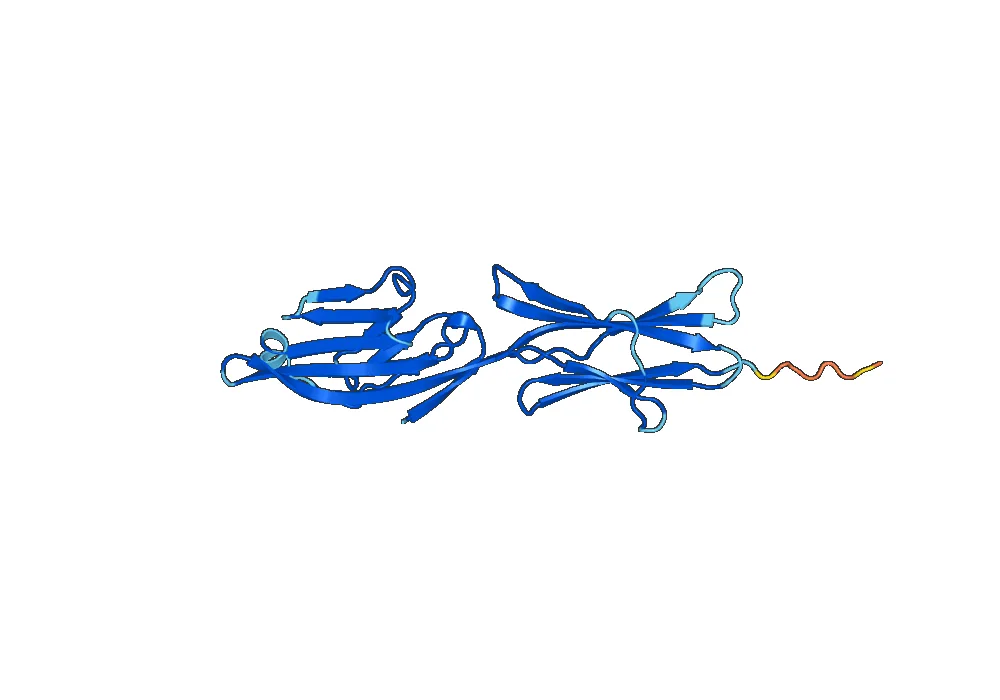
Structure of Anti-Human CD80/B7-1 Monoclonal Antibody (1A689)
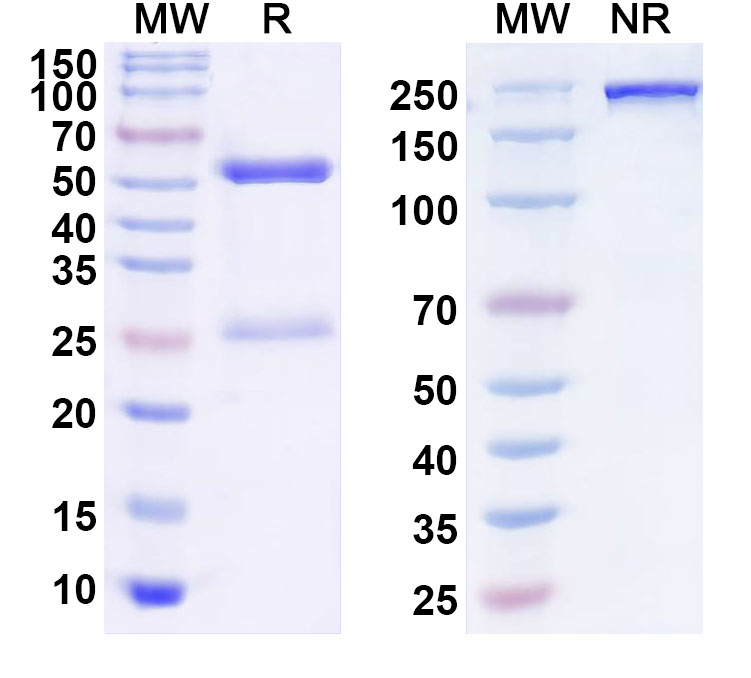
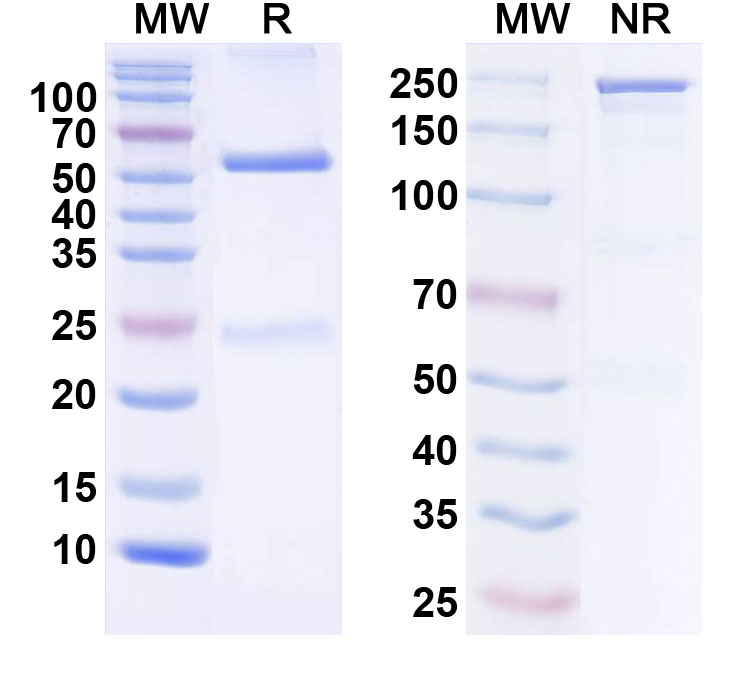
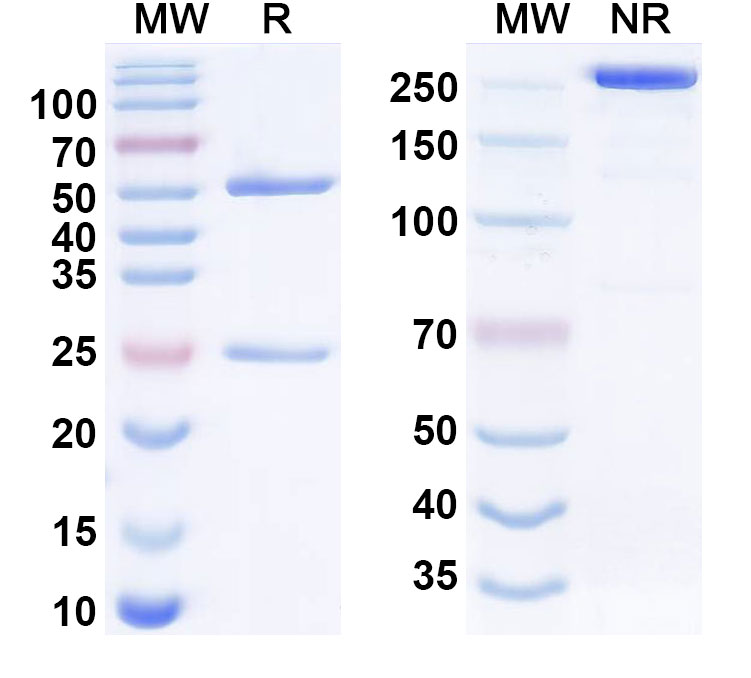
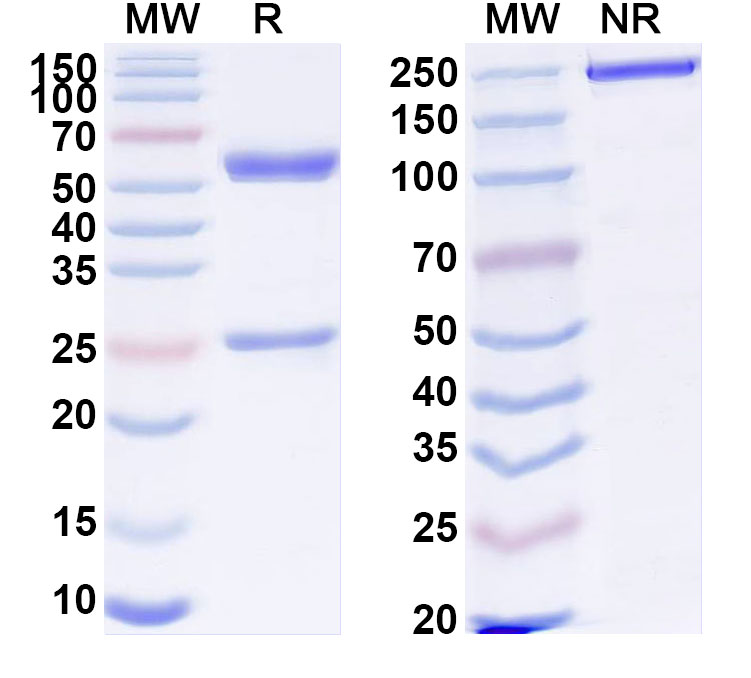
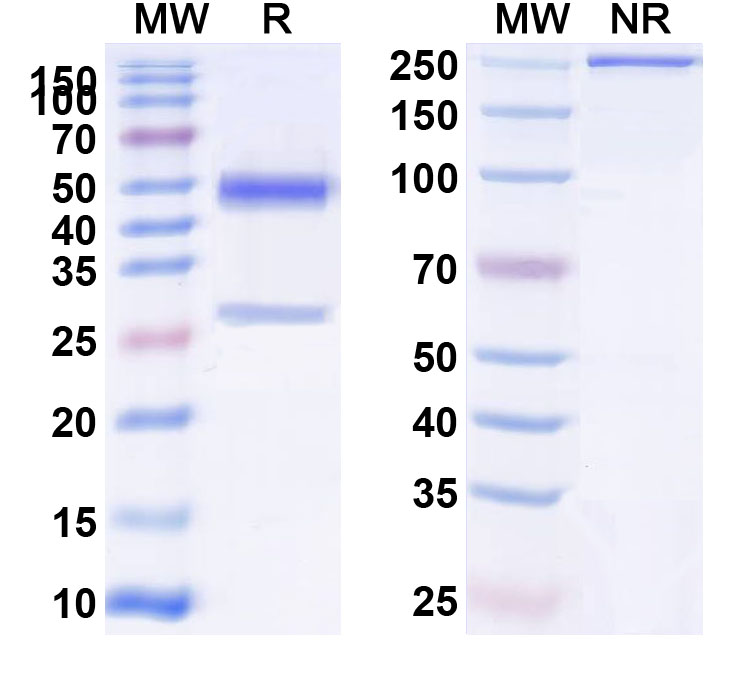
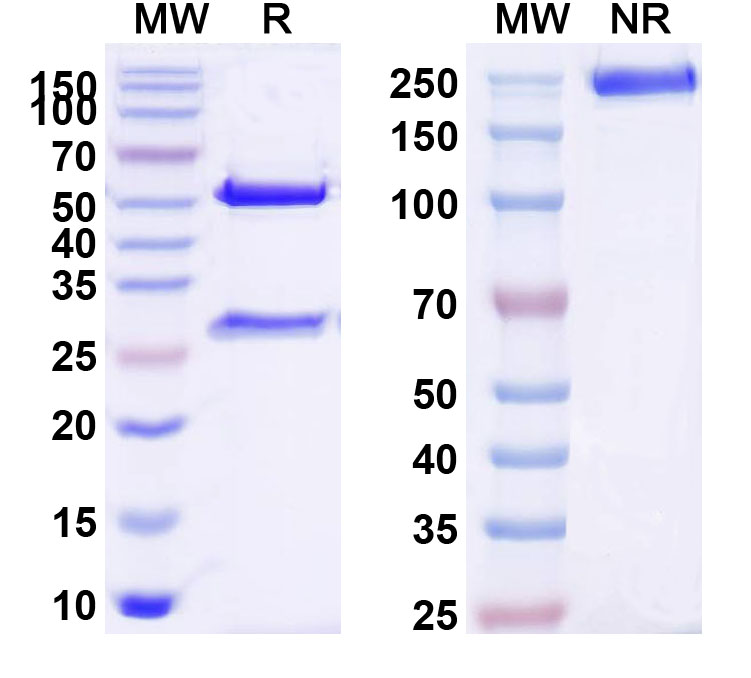
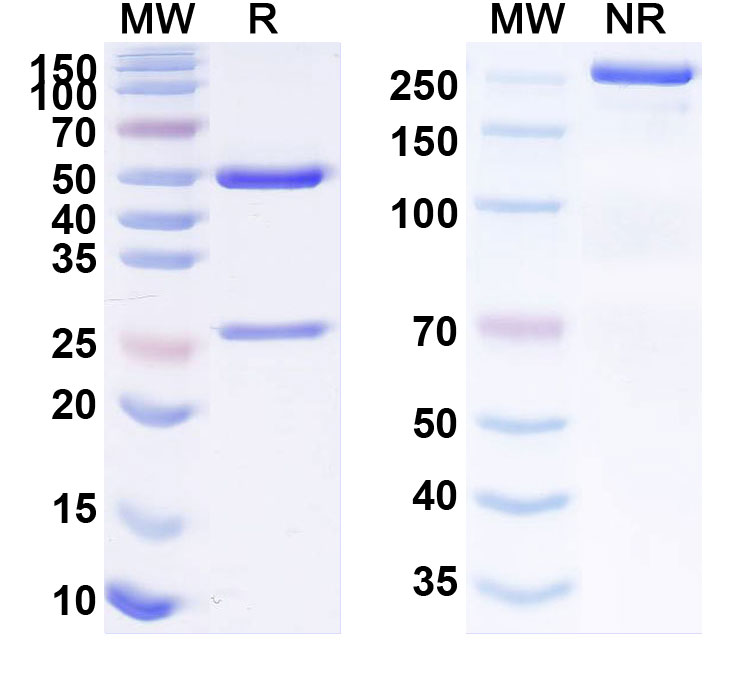
Anti-Human CD80/B7-1 Monoclonal Antibody (1A689) is a type of monoclonal antibody that specifically targets the CD80/B7-1 protein found on the surface of human cells. This antibody is a member of the immunoglobulin superfamily and belongs to the IgG1 subclass. It is composed of two heavy chains and two light chains, with a total molecular weight of approximately 150 kDa.
Activity of Anti-Human CD80/B7-1 Monoclonal Antibody (1A689)
The main activity of Anti-Human CD80/B7-1 Monoclonal Antibody (1A689) is its ability to bind to the CD80/B7-1 protein on the surface of human cells. This binding is highly specific and results in the blocking of CD80/B7-1 interactions with its receptor, CD28, on T cells. This blockade inhibits T cell activation and proliferation, leading to a decrease in immune response and inflammation.
Application of Anti-Human CD80/B7-1 Monoclonal Antibody (1A689)
Anti-Human CD80/B7-1 Monoclonal Antibody (1A689) has a wide range of applications in both research and clinical settings. Some of the key applications include:
- Immunology research: This antibody is commonly used in immunology research to study the role of CD80/B7-1 in immune responses. It can be used in various techniques such as flow cytometry, immunohistochemistry, and western blotting to detect and analyze the expression of CD80/B7-1 on different cell types.
- T cell modulation: The ability of Anti-Human CD80/B7-1 Monoclonal Antibody (1A689) to block CD80/B7-1 interactions with CD28 makes it a valuable tool for modulating T cell responses. It has been used in studies to investigate the role of CD80/B7-1 in autoimmune diseases and to develop potential therapies for these conditions.
- Cancer treatment: CD80/B7-1 is known to be overexpressed on many cancer cells, making it a potential target for cancer immunotherapy. Anti-Human CD80/B7-1 Monoclonal Antibody (1A689) has been used in preclinical studies to evaluate its effectiveness in blocking CD80/B7-1 and inhibiting tumor growth.
- Transplantation: CD80/B7-1 plays a critical role in the rejection of transplanted organs. Anti-Human CD80/B7-1 Monoclonal Antibody (1A689) has been used in studies to investigate the potential of targeting CD80/B7-1 to prevent transplant rejection and improve the success of organ transplantation.
Conclusion
In summary, Anti-Human CD80/B7-1 Monoclonal Antibody (1A689) is a specific and potent antibody that binds to the CD80/B7-1 protein on human cells. Its ability to block CD80/B7-1 interactions with CD28 makes it a valuable tool for studying immune responses, modulating T cell activity, and potentially treating diseases such as cancer and autoimmune disorders. Further research and clinical studies are needed to fully understand the potential of this antibody and its applications in various fields.
There are no reviews yet.