Introduction
Anti-Human CHGA Monoclonal Antibody (1A668) is a highly specific and potent antibody that targets the human chromogranin A (CHGA) protein. CHGA is a protein found in neuroendocrine cells and is involved in the regulation of hormone secretion, neurotransmitter release, and cell proliferation. This antibody has been extensively studied and has shown promising results in various research areas. In this article, we will discuss the structure, activity, and applications of Anti-Human CHGA Monoclonal Antibody (1A668).
Structure
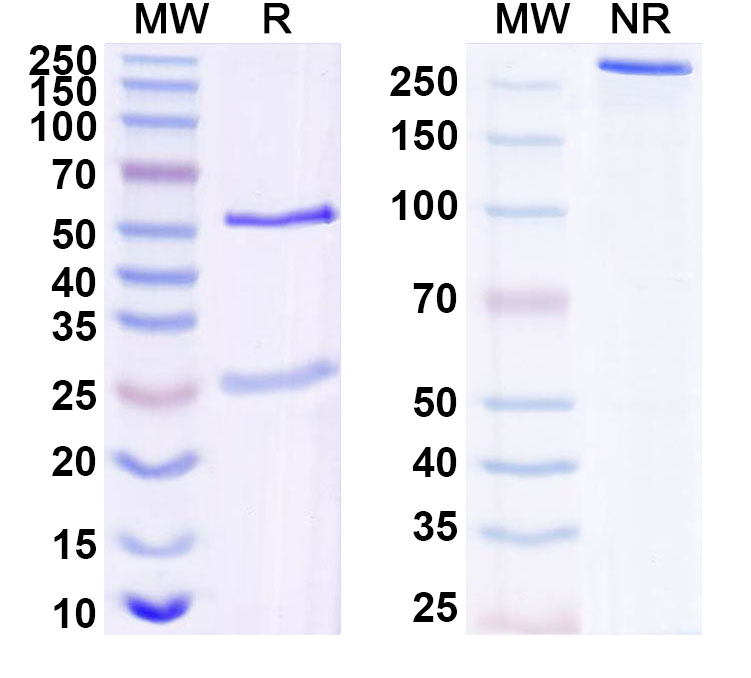
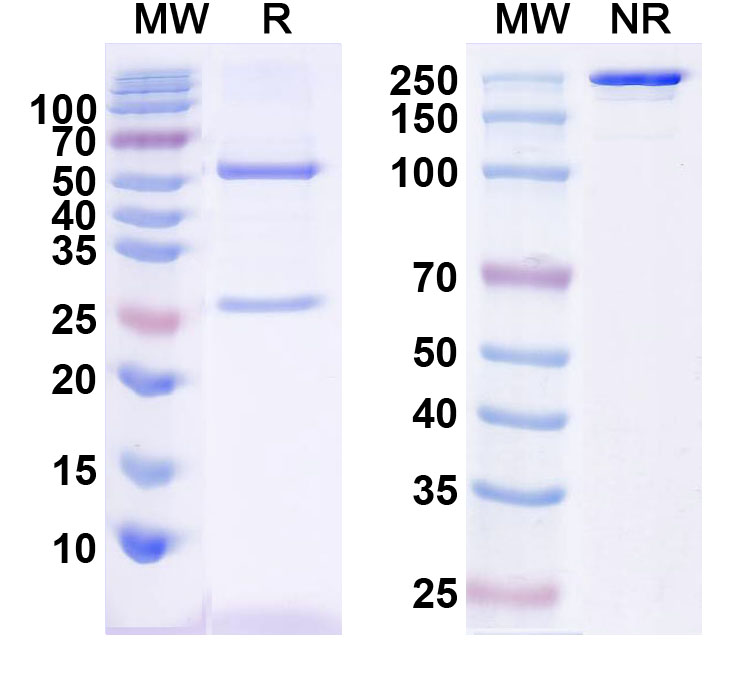
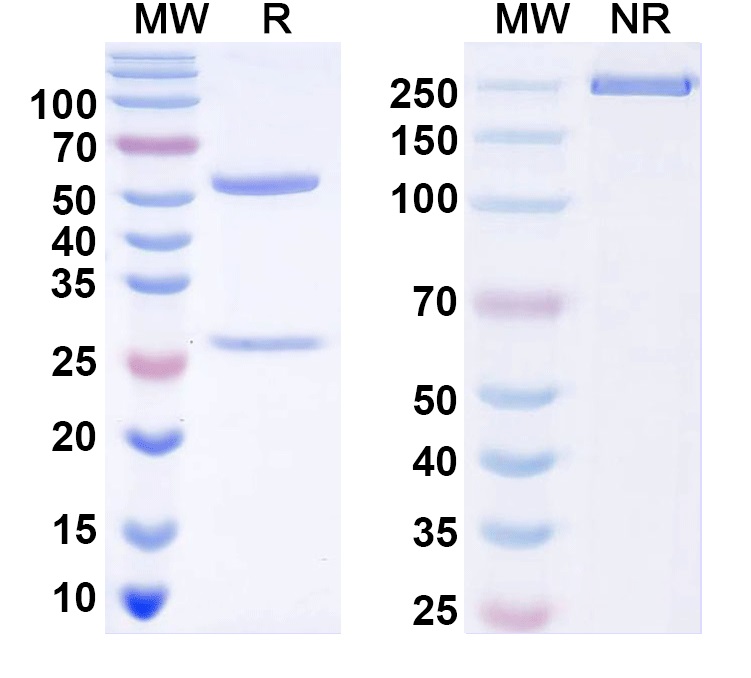
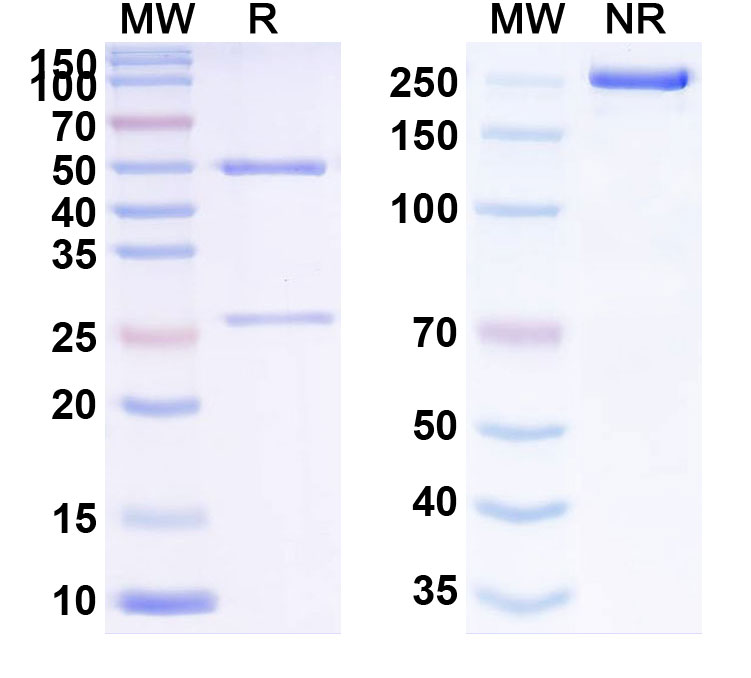
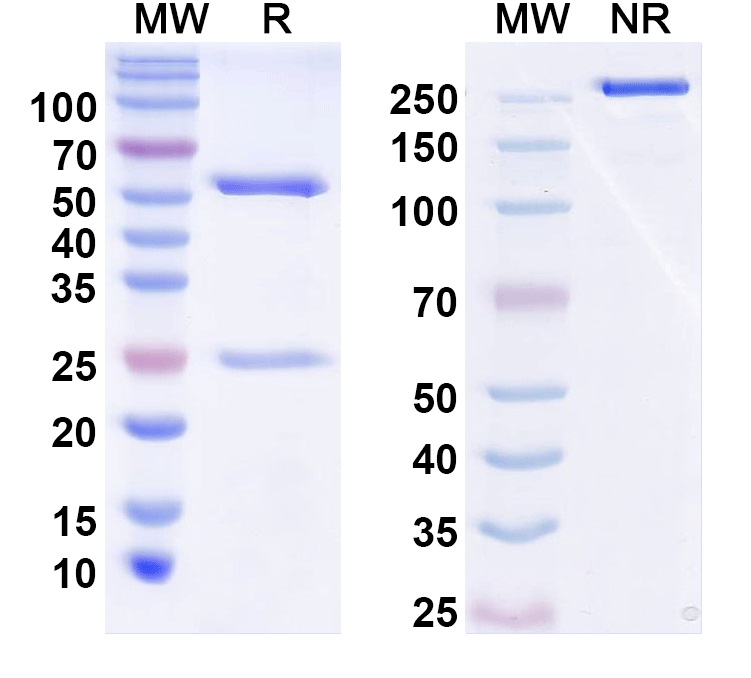
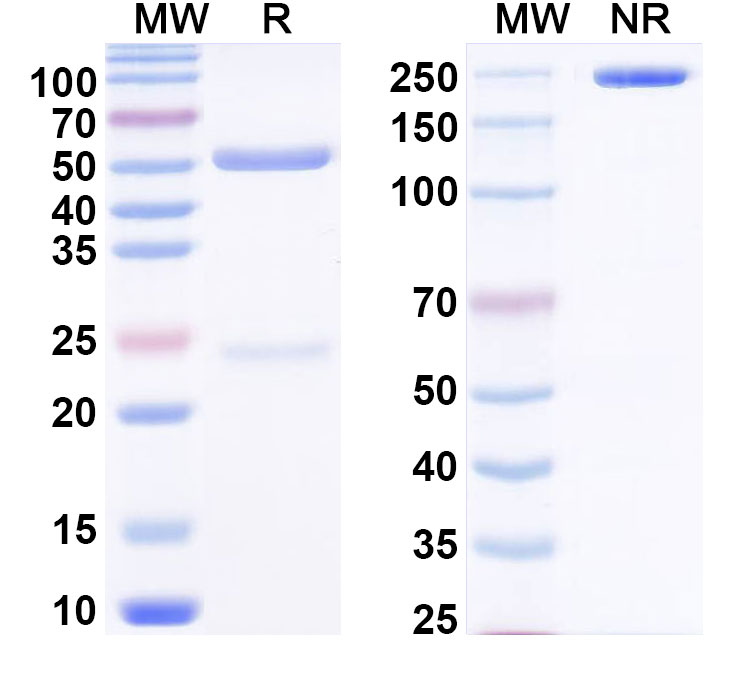
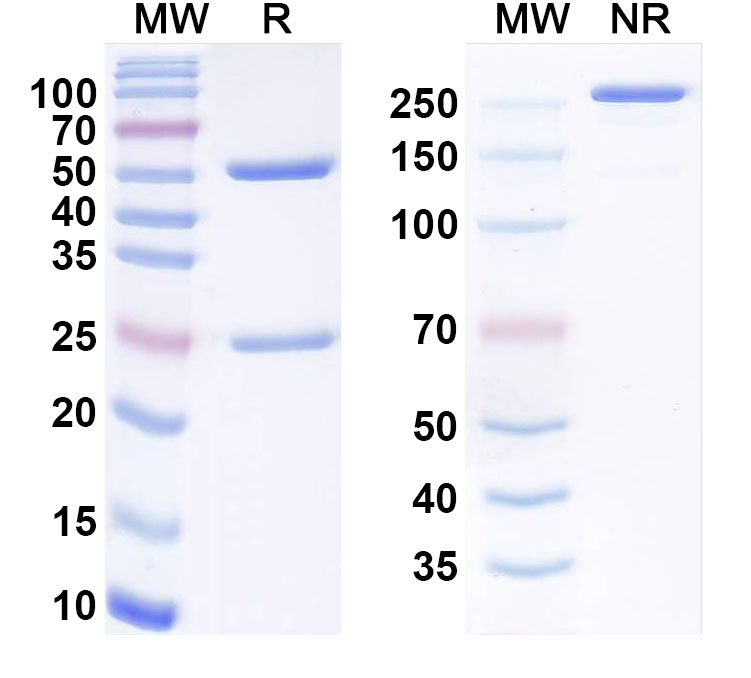
Anti-Human CHGA Monoclonal Antibody (1A668) is a monoclonal antibody, meaning it is produced by a single type of immune cell and is highly specific to its target. It is composed of two identical heavy chains and two identical light chains, each with a variable region that binds specifically to the CHGA protein. The antibody has a molecular weight of approximately 150 kDa and is composed of 1,344 amino acids. The specific binding of Anti-Human CHGA Monoclonal Antibody (1A668) to CHGA is mediated by the complementarity-determining regions (CDRs) located in the variable regions of the antibody.
Activity
Anti-Human CHGA Monoclonal Antibody (1A668) has been shown to effectively bind to CHGA and inhibit its activity. CHGA is known to play a role in various physiological processes, including hormone secretion and neurotransmitter release. However, overexpression of CHGA has been linked to various diseases, including neuroendocrine tumors and cardiovascular diseases. Anti-Human CHGA Monoclonal Antibody (1A668) has been shown to inhibit the activity of CHGA, leading to a decrease in hormone secretion and neurotransmitter release. This makes it a potential therapeutic agent for diseases associated with CHGA overexpression.
Applications
The specificity and potency of Anti-Human CHGA Monoclonal Antibody (1A668) make it a valuable tool for research in various fields. Some of its key applications include:
1. Cancer research: CHGA is overexpressed in various neuroendocrine tumors, including pheochromocytoma and neuroblastoma. Anti-Human CHGA Monoclonal Antibody (1A668) can be used to target and inhibit CHGA activity in these tumors, potentially leading to tumor regression.
2. Cardiovascular research: CHGA is also involved in the regulation of blood pressure and heart rate. Anti-Human CHGA Monoclonal Antibody (1A668) has been shown to decrease blood pressure and heart rate in animal models, making it a potential treatment for cardiovascular diseases.
3. Neurological disorders: CHGA is involved in the regulation of neurotransmitter release, and its dysregulation has been linked to various neurological disorders such as Parkinson’s disease and schizophrenia. Anti-Human CHGA Monoclonal Antibody (1A668) can be used to study the role of CHGA in these disorders and potentially develop new treatments.
4. Diagnostic tool: CHGA is a biomarker for various diseases, and the detection of CHGA levels can be used for diagnosis and monitoring of disease progression. Anti-Human CHGA Monoclonal Antibody (1A668) can be used in diagnostic assays to accurately measure CHGA levels in patient samples.
Conclusion
In summary, Anti-Human CHGA Monoclonal Antibody (1A668) is a highly specific and potent antibody that targets the CHGA protein. Its structure, activity, and applications make it a valuable tool for research in various fields, including cancer, cardiovascular diseases, and neurological disorders. Further studies and clinical trials are needed to fully understand the potential of this antibody in the treatment and diagnosis of diseases associated with CHGA overexpression.


There are no reviews yet.