Introduction
Anti-Human CXCL16/SR-PSOX Monoclonal Antibody (1A653) is a novel antibody that specifically targets the CXCL16 protein, also known as Scavenger receptor for phosphatidylserine and oxidized lipoprotein (SR-PSOX). This antibody has been extensively studied for its potential therapeutic applications in various diseases, including cancer, cardiovascular diseases, and autoimmune disorders. In this article, we will provide a detailed description of the structure, activity, and potential applications of Anti-Human CXCL16/SR-PSOX Monoclonal Antibody (1A653).
Structure of Anti-Human CXCL16/SR-PSOX Monoclonal Antibody (1A653)
Anti-Human CXCL16/SR-PSOX Monoclonal Antibody (1A653) is a monoclonal antibody that specifically binds to CXCL16, a transmembrane chemokine protein. The antibody is composed of two heavy chains and two light chains, each containing variable and constant regions. The variable regions of the antibody are responsible for binding to the CXCL16 protein, while the constant regions provide stability and effector functions.
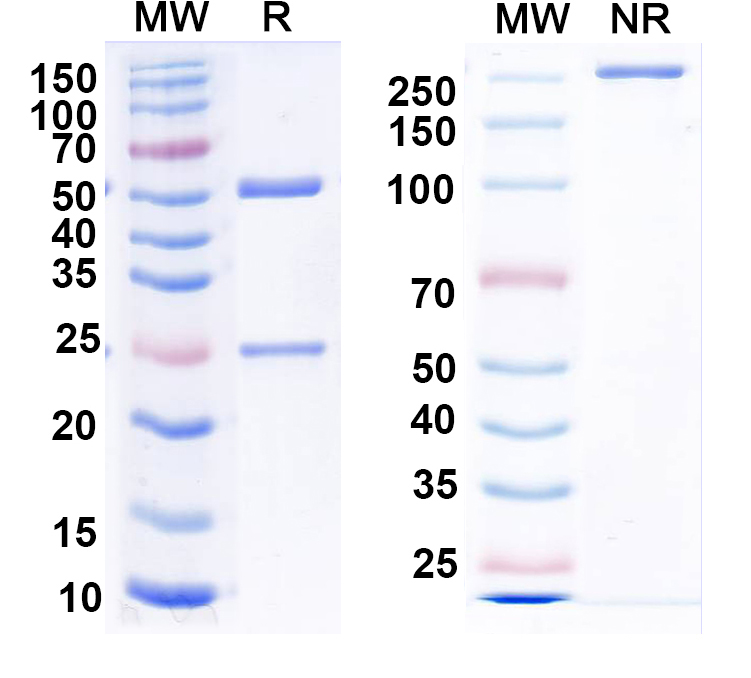
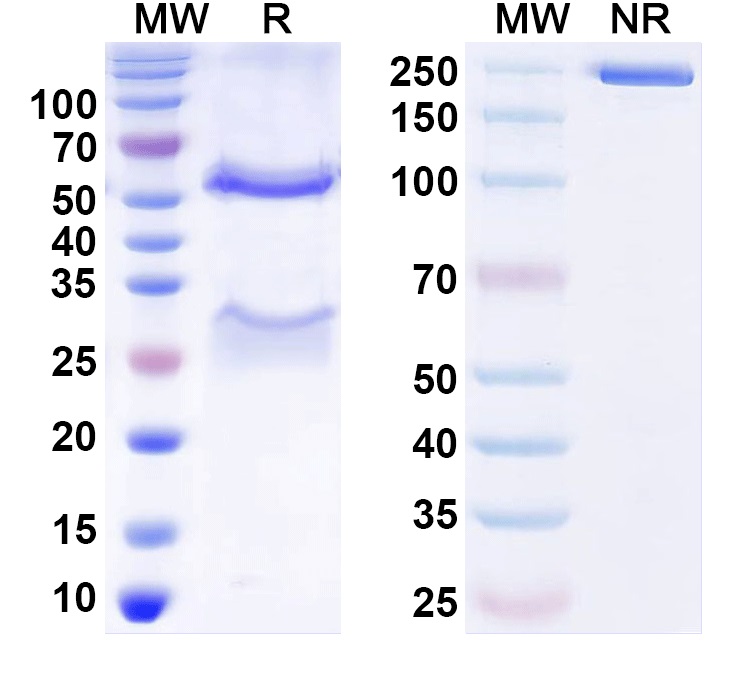
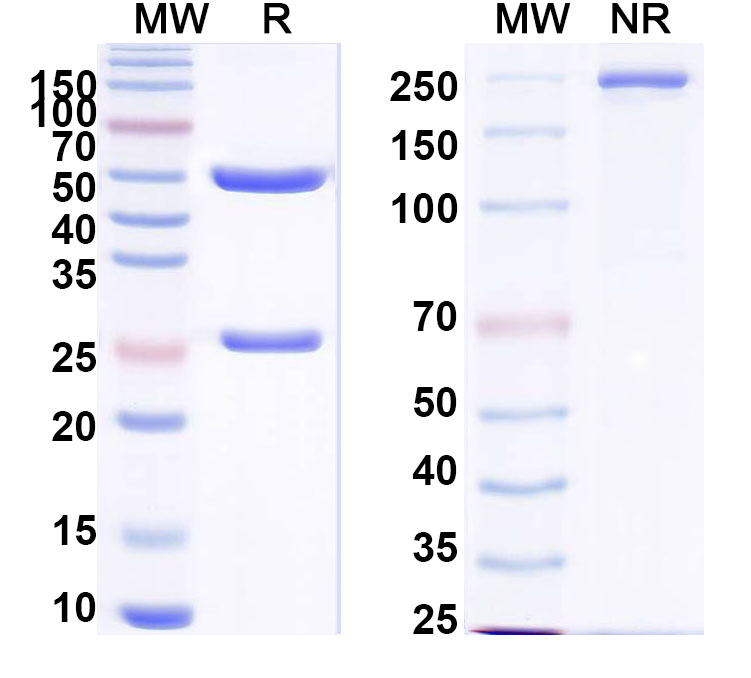
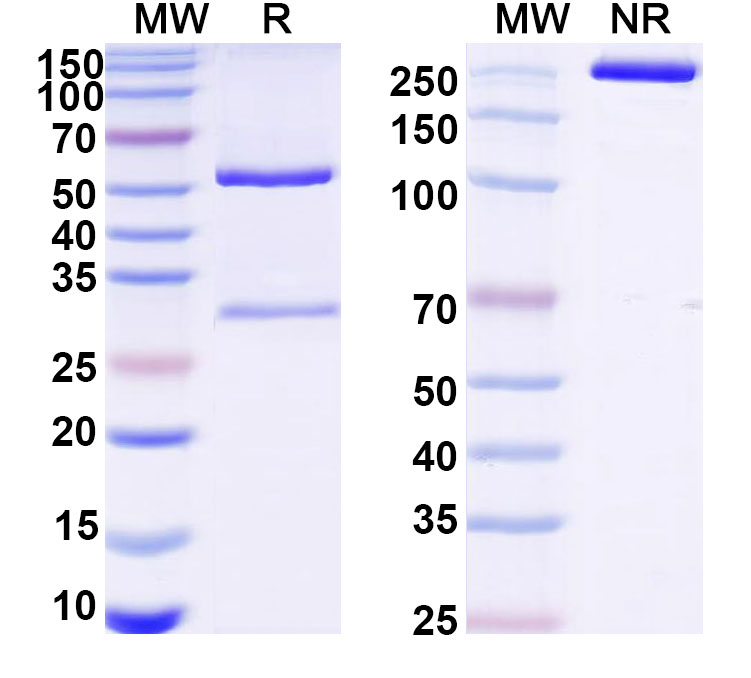
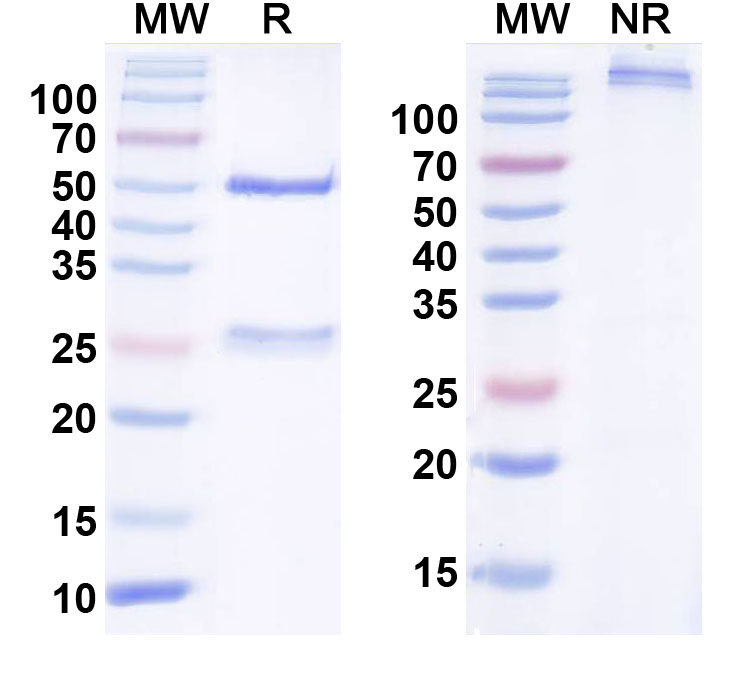
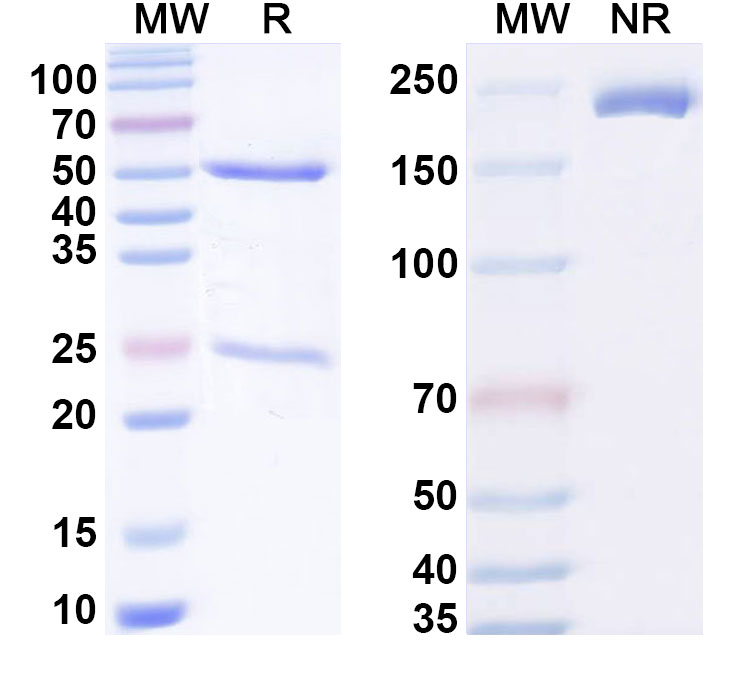
The antibody has a molecular weight of approximately 150 kDa and belongs to the immunoglobulin G (IgG) class of antibodies. It has a Y-shaped structure with two antigen-binding sites, allowing it to bind to two CXCL16 molecules simultaneously.
Activity of Anti-Human CXCL16/SR-PSOX Monoclonal Antibody (1A653)
Anti-Human CXCL16/SR-PSOX Monoclonal Antibody (1A653) exerts its activity by binding to CXCL16 and inhibiting its function. CXCL16 is a chemokine protein that plays a crucial role in immune responses, inflammation, and cell migration. It is expressed on the surface of various cells, including immune cells, endothelial cells, and cancer cells.
When CXCL16 binds to its receptor, CXCR6, it activates various signaling pathways that promote cell migration, proliferation, and survival. However, overexpression of CXCL16 has been linked to the development and progression of various diseases, including cancer and autoimmune disorders. Therefore, targeting CXCL16 with Anti-Human CXCL16/SR-PSOX Monoclonal Antibody (1A653) can inhibit its function and potentially provide therapeutic benefits.
Applications of Anti-Human CXCL16/SR-PSOX Monoclonal Antibody (1A653)
1. Cancer treatment: CXCL16 is overexpressed in various types of cancer, including breast, lung, and pancreatic cancer. It has been shown to promote tumor growth, invasion, and metastasis. Anti-Human CXCL16/SR-PSOX Monoclonal Antibody (1A653) has been studied as a potential treatment for cancer by inhibiting CXCL16 function and reducing tumor growth and metastasis.
2. Cardiovascular diseases: CXCL16 is involved in the development of atherosclerosis, a condition characterized by the buildup of plaque in the arteries. This can lead to heart attacks and strokes. Anti-Human CXCL16/SR-PSOX Monoclonal Antibody (1A653) has been shown to reduce plaque formation and inflammation in animal models of atherosclerosis, making it a potential treatment for cardiovascular diseases.
3. Autoimmune disorders: CXCL16 has been implicated in the development of autoimmune disorders, such as rheumatoid arthritis and multiple sclerosis. By targeting CXCL16, Anti-Human CXCL16/SR-PSOX Monoclonal Antibody (1A653) has the potential to reduce inflammation and disease progression in these conditions.
4. Inflammatory diseases: CXCL16 is also involved in various inflammatory diseases, such as inflammatory bowel disease and psoriasis. Anti-Human CXCL16/SR-PSOX Monoclonal Antibody (1A653) has been shown to reduce inflammation and improve disease symptoms in animal models of these conditions.
Conclusion
Anti-Human CXCL16/SR-PSOX

There are no reviews yet.