Introduction
Anti-Human GP2 Monoclonal Antibody (1A656) is a type of antibody that specifically targets the protein GP2 in humans. This protein is found on the surface of pancreatic cells and is involved in the development of autoimmune diseases such as type 1 diabetes and Crohn’s disease. The 1A656 antibody has been extensively studied and has shown promising results in both research and clinical applications.
Structure of Anti-Human GP2 Monoclonal Antibody (1A656)
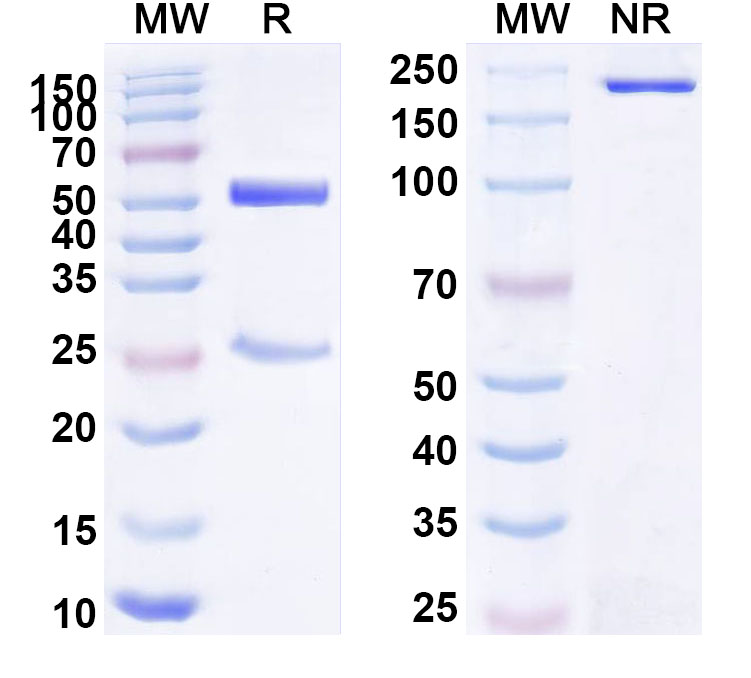
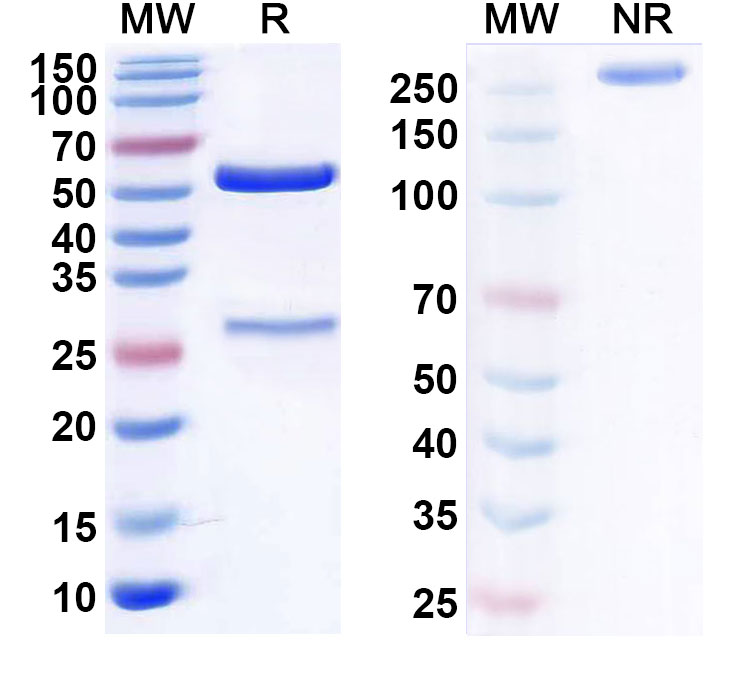
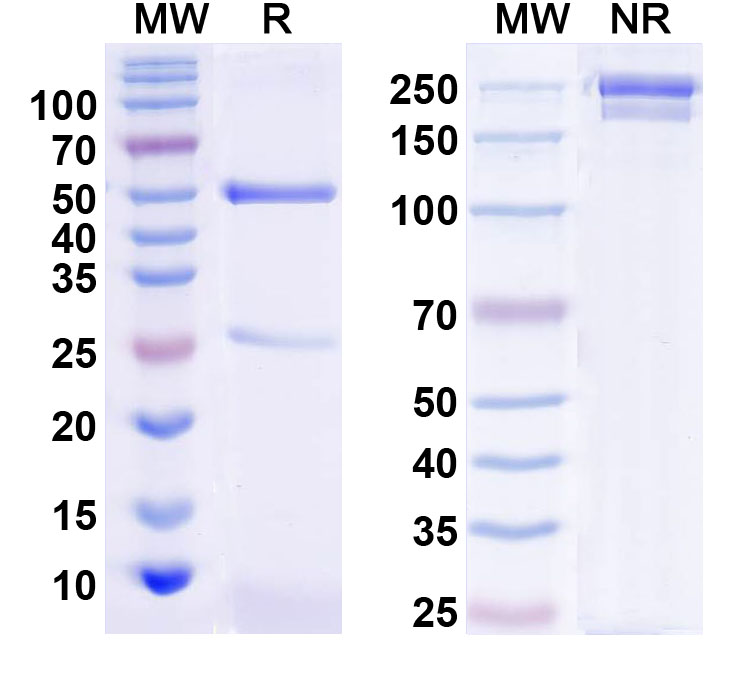
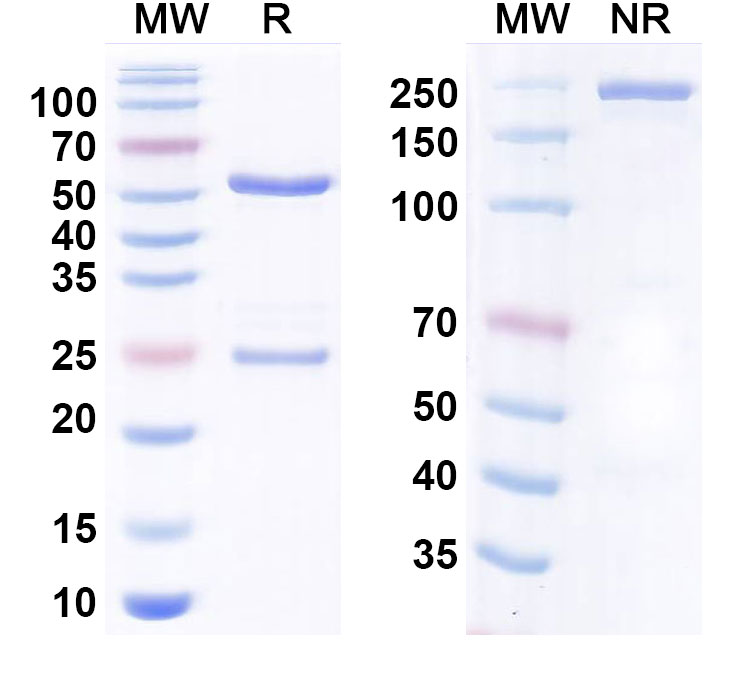
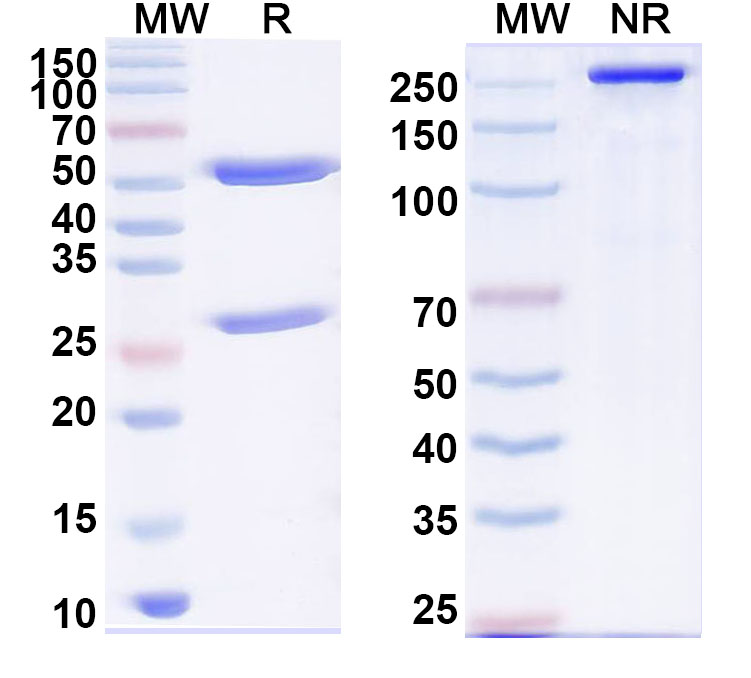
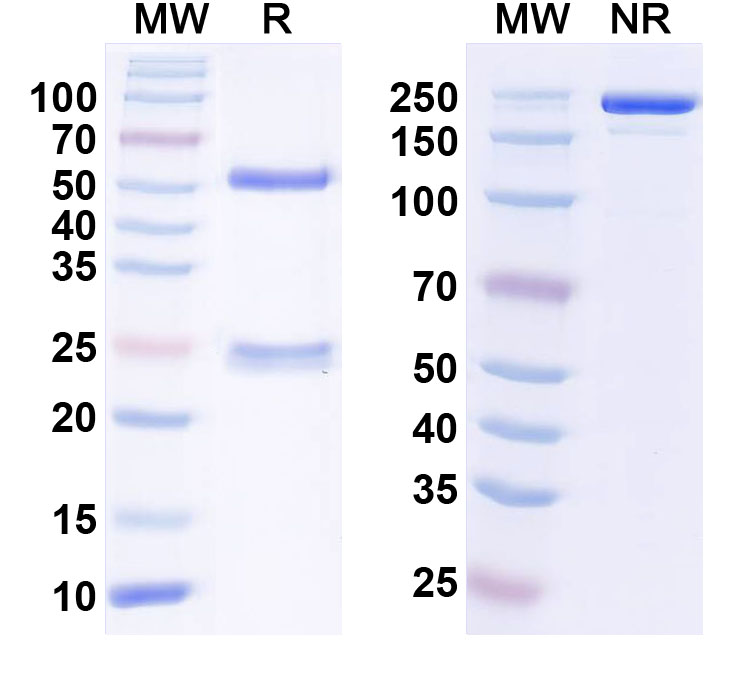
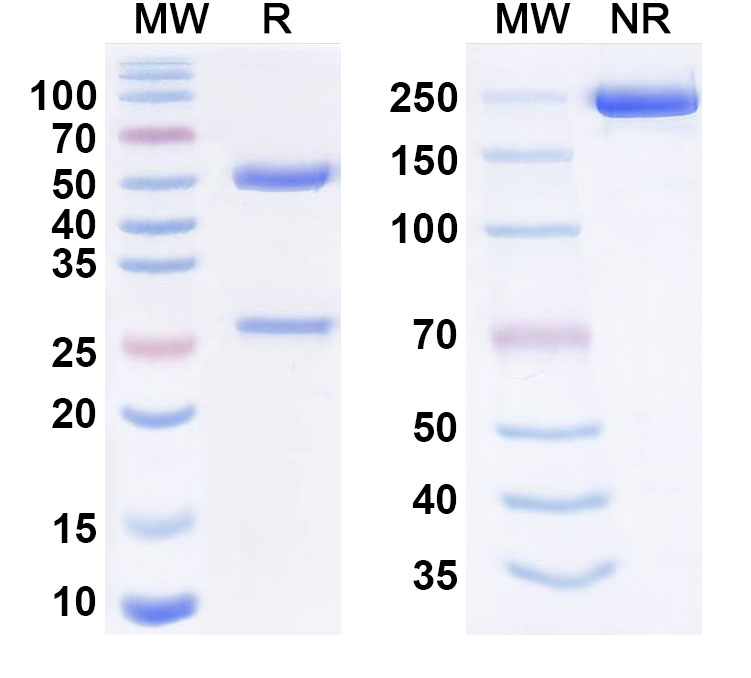
The 1A656 antibody is a type of monoclonal antibody, meaning it is produced by a single clone of immune cells. It is a fully human antibody, meaning it is derived from human cells and has a structure similar to the antibodies naturally produced in the human body. The 1A656 antibody is composed of two heavy chains and two light chains, each containing specific regions that allow it to bind to the GP2 protein.
Activity of Anti-Human GP2 Monoclonal Antibody (1A656)
The main activity of the 1A656 antibody is to bind to the GP2 protein with high specificity and affinity. This binding prevents the GP2 protein from interacting with other molecules and disrupts its normal function. This can lead to a decrease in the production of inflammatory cytokines and the activation of immune cells, which are both involved in the development of autoimmune diseases. Additionally, the binding of 1A656 antibody to GP2 can also trigger the destruction of GP2-expressing cells by the immune system, further reducing the inflammatory response.
Application of Anti-Human GP2 Monoclonal Antibody (1A656)
The 1A656 antibody has been extensively studied for its potential use in the treatment of autoimmune diseases, particularly type 1 diabetes and Crohn’s disease. In preclinical studies, the 1A656 antibody has shown promising results in reducing inflammation and improving disease symptoms in animal models of these diseases. Additionally, in a phase I clinical trial, the 1A656 antibody was found to be safe and well-tolerated in human subjects.
In addition to its therapeutic potential, the 1A656 antibody is also a valuable tool for research. It can be used to study the role of GP2 in autoimmune diseases and to identify potential new therapeutic targets. The 1A656 antibody can also be used in diagnostic tests to detect the presence of GP2 in patient samples, aiding in the early detection and monitoring of autoimmune diseases.
Conclusion
In summary, Anti-Human GP2 Monoclonal Antibody (1A656) is a highly specific and effective antibody that targets the GP2 protein in humans. Its structure, activity, and potential applications make it a valuable tool for both research and clinical use in the treatment of autoimmune diseases. Further studies and clinical trials are needed to fully explore the potential of this antibody in improving the lives of patients with autoimmune diseases.
There are no reviews yet.